Southeast Asia has become a strategic region for companies looking to diversify their supply chains, develop new manufacturing partners, or enter fast-growing markets. But building a reliable setup in the region requires more than identifying suppliers or potential partners online.
Each country has its own industrial strengths, cost structure, supplier maturity, business culture and regulatory environment. Vietnam, Thailand, Malaysia, Indonesia, Cambodia and other regional markets can all play a different role depending on the product, industry and long-term objective.
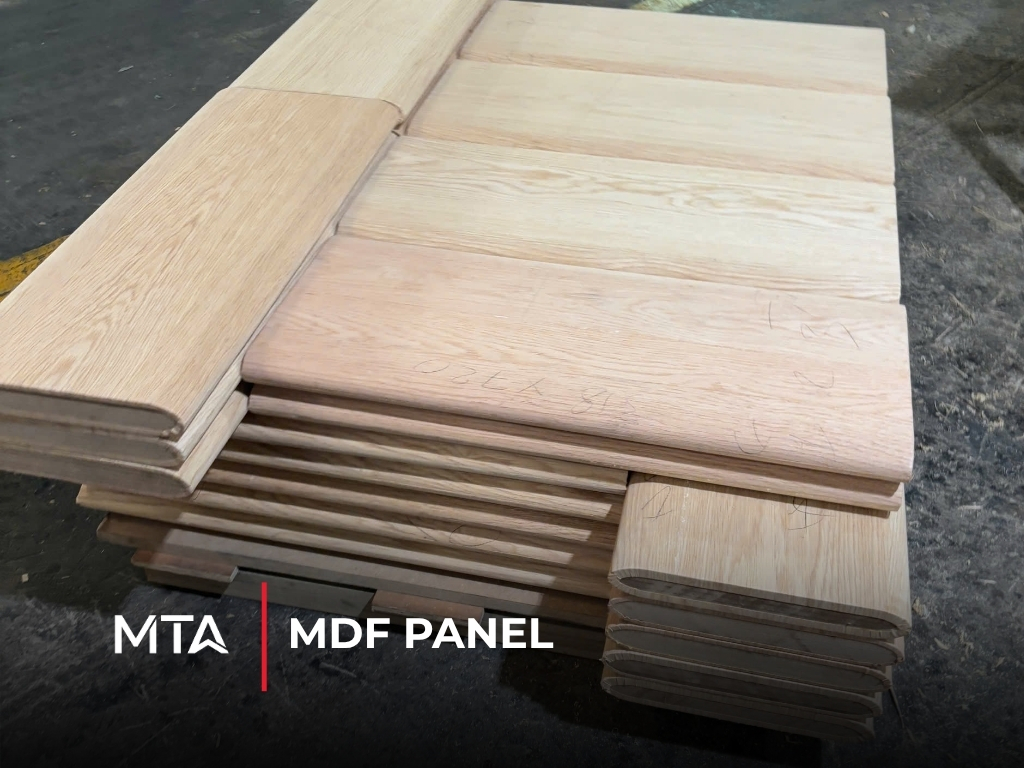
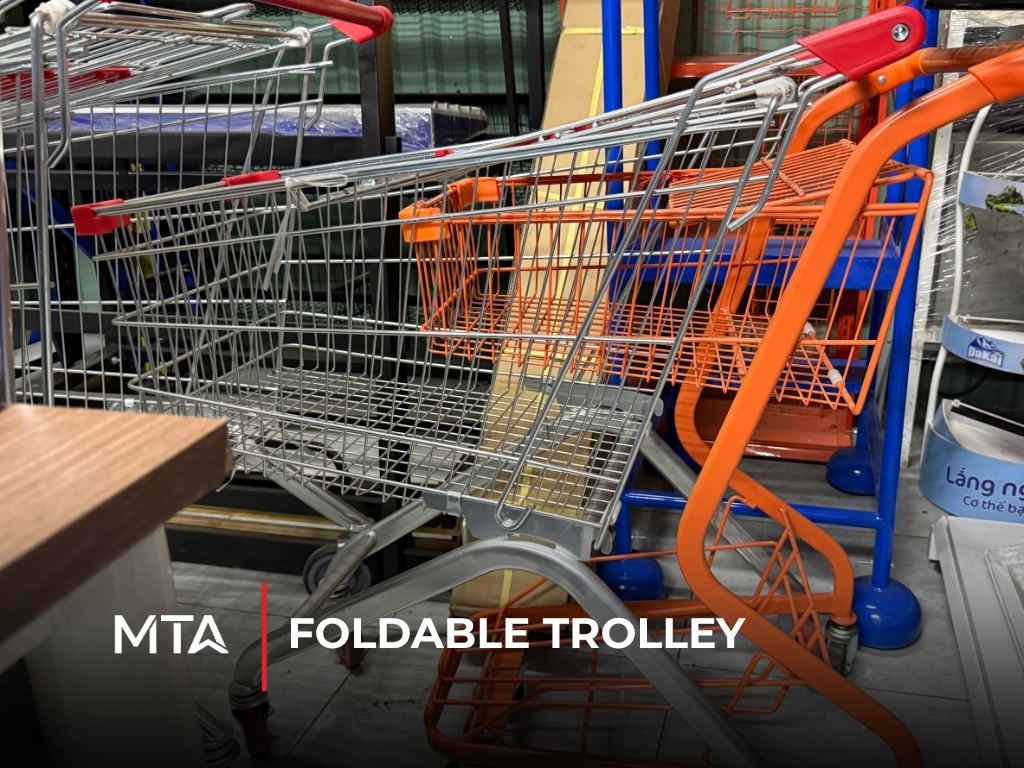
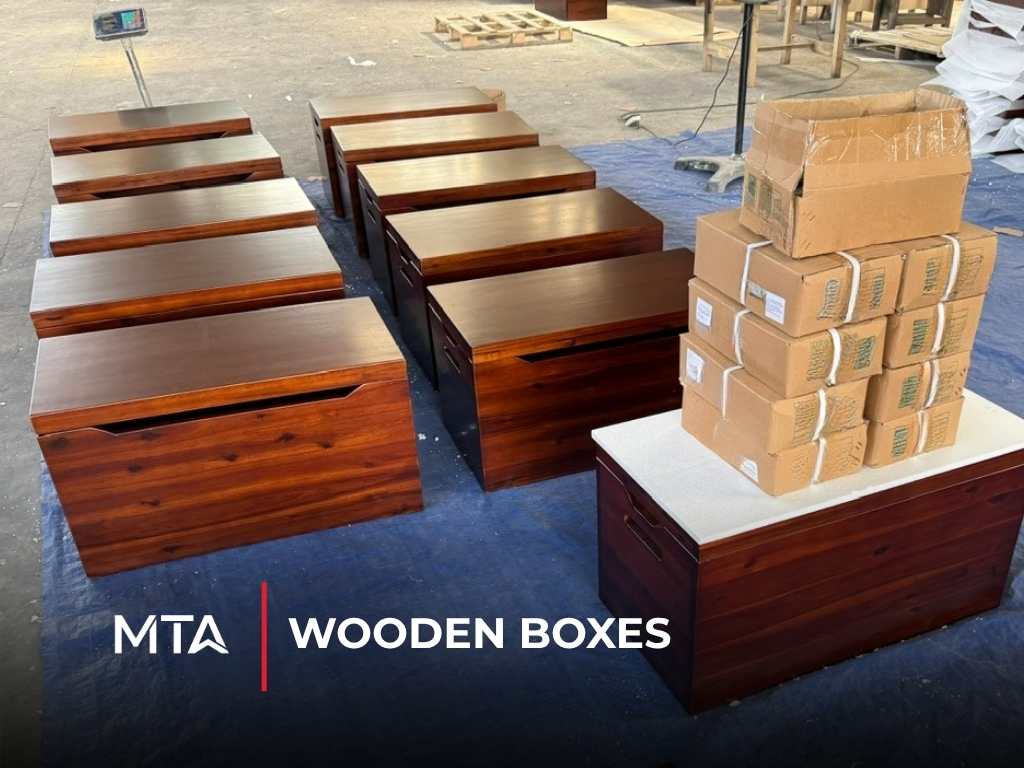
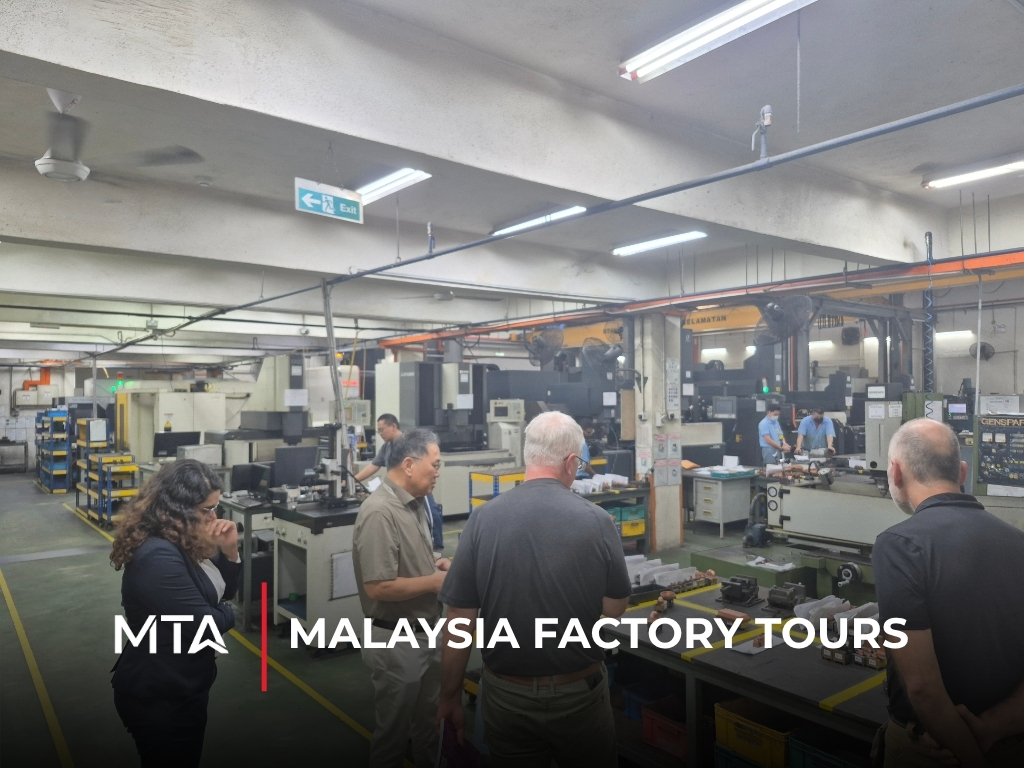
Vietnam may be highly relevant for furniture, garments, footwear, metalworking, electronics assembly and consumer goods. Thailand may be stronger in automotive, packaging, food processing and industrial components. Malaysia may be relevant for electronics, precision manufacturing and higher-value industrial sectors. Cambodia and Myanmar can be considered for selected labor-intensive categories, depending on compliance and risk requirements.
For companies building a long-term Asia strategy, the key question is not only “Which supplier can produce this product?” but also “Which country offers the right balance between capability, cost, reliability and scalability?”
Cross-Country Capability Assessment
Before starting a supplier search, we often help customers compare potential sourcing countries. This includes reviewing whether the product category exists locally, how mature the supplier base is, what export experience suppliers have, and whether the target price and quality expectations are realistic.
This step helps avoid wasting time in markets that are not suitable for the project and allows customers to focus resources where the opportunity is strongest.
Country-by-Country Supplier Search
Once the most relevant markets are identified, we move into country-level execution. This means mapping suppliers, contacting factories, qualifying their capabilities, collecting information, comparing quotations and identifying the strongest candidates.
The process is structured but practical. We do not only create lists. We verify whether suppliers are responsive, technically relevant, commercially aligned and able to support the customer’s project.
From Sourcing to Supply Chain Building
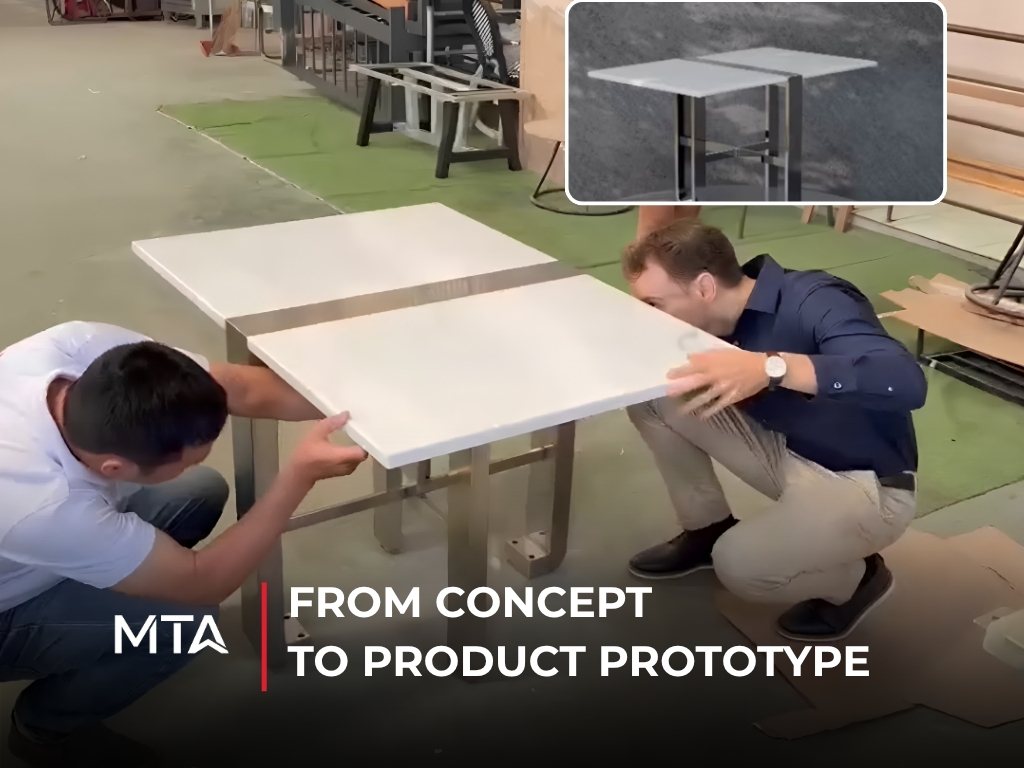
A strong supply chain is built progressively. It starts with market screening and supplier identification, then moves into qualification, audits, sampling, negotiation, production follow-up and long-term supplier development.
Our use cases show this progression across different industries and project types. Some customers come to us for a first feasibility check, while others need full local support to manage supplier relationships and production execution over time.
This gives our customers a practical advantage: they receive strategic guidance from an international team, combined with local execution by people who understand how business is done on the ground.
A Strong Base for Sourcing and Manufacturing
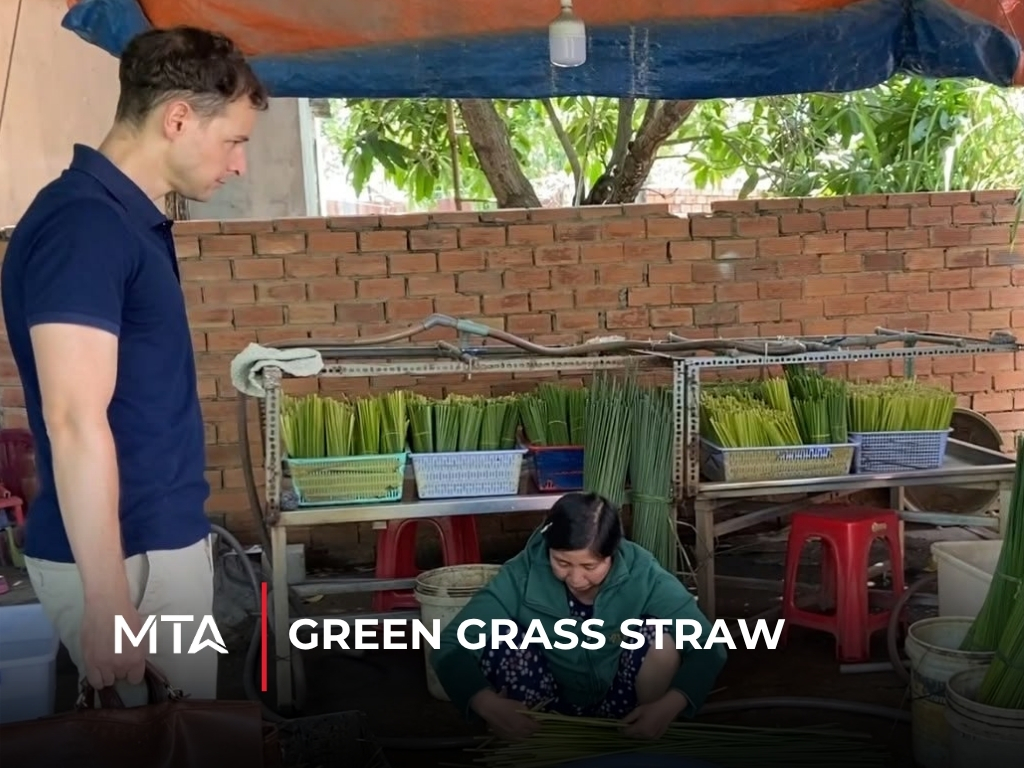
Vietnam has developed into a major sourcing and manufacturing destination across a wide range of sectors. For many companies, it is a natural entry point into Southeast Asia because of its export-oriented supplier base, improving industrial capabilities and strong integration into global trade flows.
However, sourcing from Vietnam still requires careful qualification. Supplier capabilities can vary significantly depending on the region, industry, factory size and export experience.
Local Execution, International Standards
Our positioning is based on the combination of international management and local execution. We help foreign companies structure their approach, clarify their requirements, communicate effectively with suppliers and verify what is happening on the ground.
This is especially important when dealing with technical products, new supplier relationships, quality expectations or complex production timelines.
From One Supplier to a Reliable Supplier Base
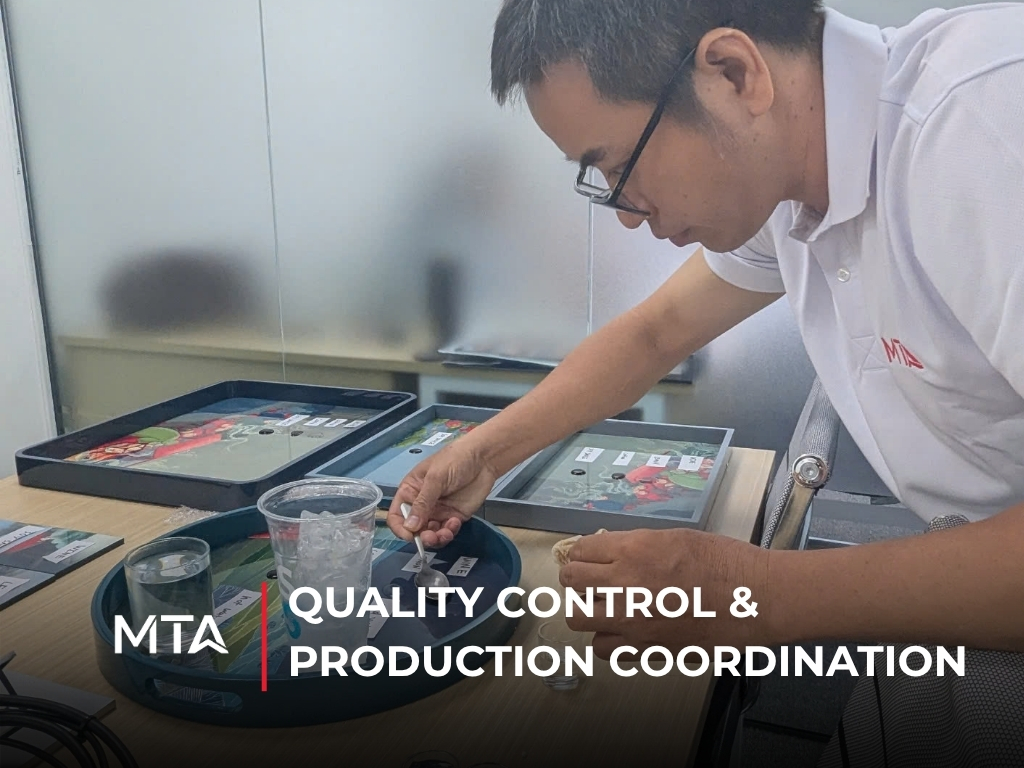
Many companies start with a single supplier search but later need a broader supplier base, backup options, quality control systems or ongoing production coordination. Our work is designed to support this evolution.
The goal is not only to find a supplier, but to help customers build a reliable sourcing channel that can support their business over time.
How to Read These Use Cases
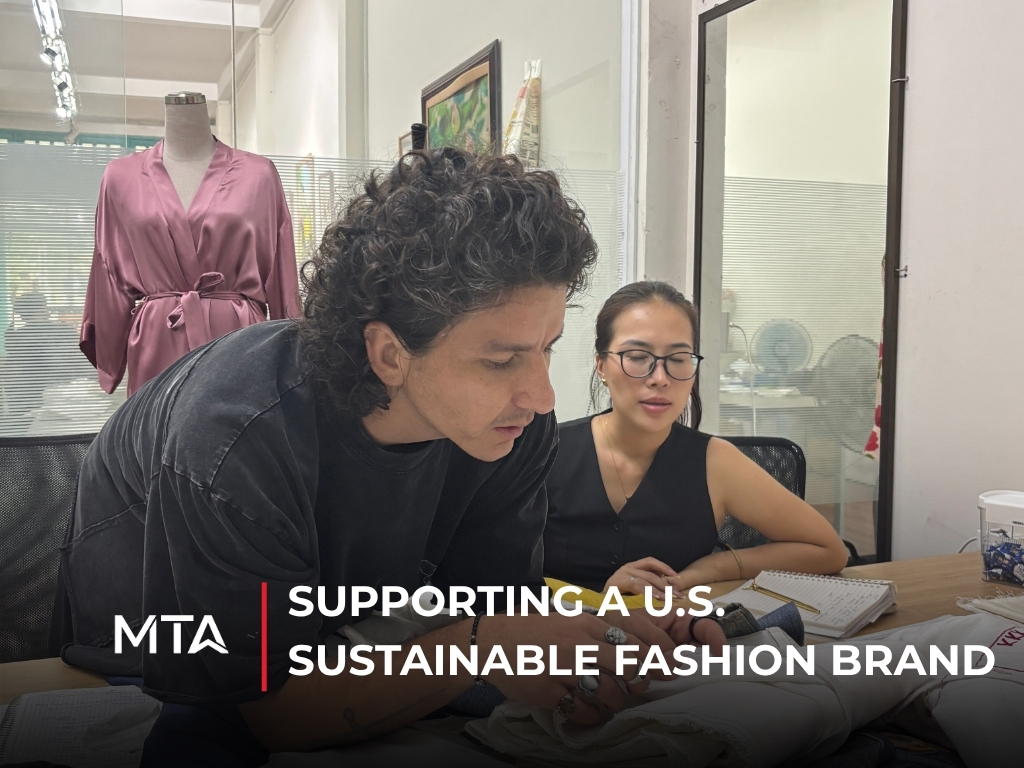
Each use case is designed to show a practical business situation, not a generic service description. They highlight the customer’s objective, the market context, the work performed by our team and the type of outcome delivered.
Whether the project starts with Vietnam sourcing, regional supply chain development, outsourced manufacturing or market entry, our role remains the same: bring structure, transparency and local execution to business development in Southeast Asia.