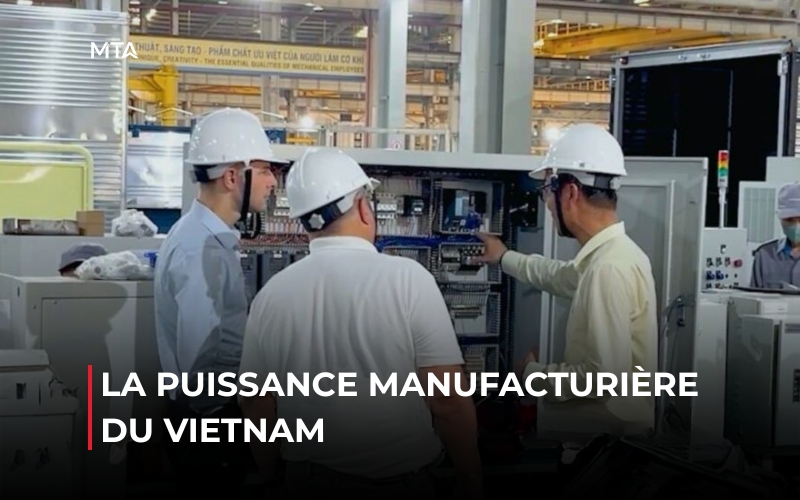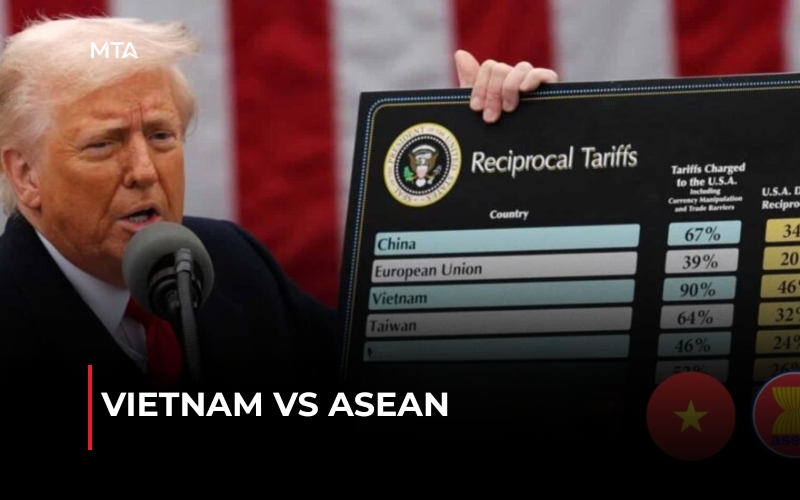

Vietnam has rapidly emerged as one of Southeast Asia’s most dynamic construction markets, driven by urbanization, industrial expansion, and increasing foreign investment. While much attention has been given to its manufacturing capabilities in garments or furniture, the construction and building materials sector represents a significant—and often underexplored—opportunity for international buyers.
From flooring and tiles to structural materials and interior finishing solutions, Vietnam offers a broad ecosystem of manufacturers, suppliers, and specialized factories. However, sourcing construction materials is fundamentally different from sourcing consumer goods. It is more technical, more project-driven, and often involves coordination across multiple suppliers.
This guide provides a comprehensive overview of Vietnam’s construction materials industry, including manufacturing clusters, product categories, cost structures, sourcing challenges, and how to build a reliable supply chain.
Overview of Vietnam’s Construction Materials Industry
Vietnam’s construction sector is closely tied to its economic development. With strong GDP growth (estimated ~6–6.5% in 2025 and expected similar trajectory in 2026), infrastructure development and real estate expansion continue to drive demand for building materials.
The industry can be broadly divided into:
- Structural materials (steel, cement, aluminum systems)
- Finishing materials (tiles, flooring, paints)
- Interior construction components (doors, cabinets, partitions)
- Exterior and facade materials
Unlike highly standardized industries, construction materials often vary significantly depending on application, project type, and technical requirements.
This makes Vietnam particularly attractive for:
- developers
- contractors
- procurement teams managing multi-supplier projects
Key Manufacturing Clusters in Vietnam
Vietnam’s construction materials industry is highly cluster-driven. Unlike more centralized manufacturing ecosystems, production is spread across multiple regions, each specializing in specific materials, processes, and supply chain structures.
Northern Vietnam
The northern region of Vietnam is one of the country’s most established industrial zones, benefiting from decades of infrastructure development and proximity to China.
Key provinces:
- Bac Ninh / Bac Giang – industrial parks, large-scale manufacturing
- Hai Duong / Hung Yen – ceramics, tiles, industrial materials
- Ha Nam / Nam Dinh – construction materials and traditional manufacturing
- Hai Phong – major port + heavy industry
Core Specializations:
Northern Vietnam is particularly strong in:
- ceramic and porcelain tiles
- sanitary ware and bathroom fixtures
- cement and industrial materials
- steel and structural components
- glass and industrial construction inputs
This region is home to several large domestic groups and FDI-backed factories, often operating at scale with relatively standardized production processes.
Central Vietnam
Central Vietnam is often overlooked in sourcing strategies, but it plays a critical role in specific segments of the construction materials industry—particularly natural stone and outdoor materials.
Key areas:
- Da Nang – logistics hub and export gateway
- Quang Nam – industrial and construction materials
- Quy Nhon (Binh Dinh) – major wood and stone processing hub
- Hue – traditional craftsmanship and stone
Core Specializations:
Central Vietnam is particularly strong in:
- natural stone (marble, granite, basalt)
- cut-to-size stone for construction projects
- outdoor construction materials
- facade elements and cladding
- some wood-based outdoor applications
Limitations:
Besides the main advantage that stone quarries are located close to production sites, reducing cost and improving supply stability, these are some of the weaknesses of this region:
- smaller factory scale compared to North and South
- logistics can be more complex depending on port access
- supplier fragmentation requires careful qualification
Southern Vietnam
Southern Vietnam is the most dynamic and export-oriented manufacturing region in the country. It is also the most relevant cluster for international buyers sourcing construction materials.
Key areas:
- Binh Duong – industrial hub (flooring, furniture, interior materials)
- Dong Nai – large-scale manufacturing
- Long An – emerging industrial zone
- Ho Chi Minh City – commercial and coordination center
Core Specializations:
Southern Vietnam dominates:
- wood and engineered flooring
- SPC and vinyl flooring
- interior construction materials (cabinets, doors, panels)
- decorative and finishing materials
- export-driven production
This region overlaps significantly with:
- furniture manufacturing
- interior fit-out industries
Cross-Cluster Strategy
In practice, large construction or real estate projects rarely rely on a single region. A typical sourcing strategy may involve:
- tiles from the North
- stone from Central Vietnam
- flooring and interior materials from the South
This creates a multi-cluster supply chain, which introduces complexity but also allows optimization.
Main Categories of Construction & Building Materials
Vietnam’s building materials ecosystem is broad, but can be structured into key categories.
Flooring
Vietnam is one of the largest exporters of flooring products globally.
Main types:
- engineered wood flooring
- solid wood flooring
- SPC (Stone Plastic Composite) flooring
- vinyl flooring
- laminate flooring
Tiles & Ceramics
Vietnam has a well-developed ceramic industry, supplying both domestic and export markets.
Products include:
- ceramic tiles
- porcelain tiles
- wall and floor tiles
- sanitary ware
Natural & Engineered Stone
Vietnam is a major supplier of:
- marble
- granite
- quartz
Especially strong in:
- cut-to-size projects
- outdoor applications
Structural Materials
Includes:
- steel structures
- aluminum systems
- facade components
Interior Construction Materials
Products include:
- kitchen cabinets
- doors and windows
- partitions
Exterior & Building Envelope
Includes:
- roofing materials
- cladding systems
- insulation
How Pricing Works and Cost of Construction Materials in Vietnam
Understanding the cost structure of construction materials in Vietnam is essential for making the right sourcing decisions. Unlike standardized consumer products, pricing for building and contruction materials are not fixed—they are shaped by multiple variables including raw material fluctuations, technical specifications, production processes, and logistics constraints.
Raw Materials (40% – 70%)
Across almost all construction material categories, raw materials represent the largest share of total cost. This is what makes the industry particularly sensitive to global market conditions.
The exact weight of raw materials varies depending on the product:
- SPC and vinyl flooring rely heavily on PVC and mineral compounds
- tiles and ceramics depend on clay and other natural minerals
- steel structures are directly tied to global steel prices
- wood flooring depends on timber sourcing, often imported
Because Vietnam imports a significant portion of these inputs, local pricing is closely linked to international markets. As a result, quotations are often time-sensitive and may only be valid for a limited period.
Manufacturing & Processing (15% – 30%)
Once raw materials are sourced, they are transformed through various manufacturing processes. This stage includes labor, machinery, energy, and factory overhead.
The nature of processing differs significantly across categories. For example, tile production involves high-temperature kiln firing, making it energy-intensive, while flooring production often relies on automated lines for extrusion and pressing. Metal fabrication, on the other hand, depends heavily on machining and welding processes.
Vietnam benefits from relatively competitive labor costs, which contributes to its attractiveness as a manufacturing base. However, the level of automation and productivity can vary widely between factories.
This creates an important distinction : Two suppliers may offer similar pricing, but their production efficiency (and therefore consistency) can be very different.
Finishing & Surface Treatment (10% – 25%)
Finishing is where products gain their final appearance and performance characteristics. It is also one of the most underestimated cost components.
Depending on the product, finishing may include:
- UV coating or wear layers for flooring
- glazing and printing for tiles
- anodizing or powder coating for metal
- polishing and sealing for stone
These processes can significantly influence both cost and quality. Standard finishes tend to remain within a moderate cost range, while premium or technical finishes can increase costs substantially.
What makes this layer particularly complex is that it is often not fully integrated within the main factory. Many finishing processes are subcontracted to specialized providers.
Tooling & Setup Costs
For certain materials, especially customized ones, production requires tooling, molds, or specific setup configurations. These costs are not always visible in initial quotations, but they can significantly impact the overall budget.
Typical examples include:
- molds for tile production
- tooling for metal fabrication
- extrusion dies for aluminum profiles
Logistics & Packaging (5% – 20%)
Logistics plays a much larger role in construction materials than in most other industries. Products are often heavy, bulky, and sometimes fragile, which directly affects transportation costs.
Key considerations include:
- inland transport from factory to port
- container loading efficiency
- packaging (pallets, protective materials)
- international freight
For products like tiles or stone, logistics can represent a substantial share of the total cost due to weight and breakage risk. Even for more optimized products like flooring, container utilization remains a critical factor.
Standard vs Project-Based Pricing
Not all construction materials are priced the same way. A key distinction exists between standard products and project-based materials.
Standard products, such as catalog flooring or tiles, benefit from:
- stable pricing structures
- repeatable production
- easier benchmarking
In contrast, project-based materials—such as custom stone, metal structures, or facade systems—are priced based on specifications. Factors such as dimensions, technical requirements, and installation constraints all influence the final cost.
Vietnam vs China for Construction Materials
One of the most common questions is whether Vietnam is cheaper than China for construction and building materials. The answer is more nuanced than expected.
China benefits from:
- a highly integrated supply chain
- strong automation
- local availability of raw materials
Vietnam, on the other hand, offers:
- lower labor costs
- growing manufacturing capacity
- increased flexibility
Because of its reliance on imported materials, Vietnam is not always the lowest-cost option. In many cases: Vietnam may be slightly more expensive on a unit basis but more competitive when considering supply chain diversification or trade advantages
How Sourcing Actually Works in Practice ?
Sourcing construction materials in Vietnam is fundamentally different from sourcing standardized products like garments or consumer goods. The process is not driven only by product specifications—it is shaped by volume constraints, logistics realities, and the need to coordinate multiple suppliers within a project.
What many buyers underestimate is that the complexity does not come from finding suppliers, but from structuring the supply chain in a way that is both cost-efficient and operationally reliable.
MOQ
In most construction material categories, MOQ is not defined solely by factory constraints. Instead, it is largely driven by logistics efficiency.
For example:
- flooring: optimized per container layout
- tiles: driven by weight and palletization
- stone: constrained by container weight limits
The Reality of Mixed Orders
Unlike simple sourcing models, construction projects rarely involve a single product. A typical project may require:
- multiple flooring types
- different tile formats
- various interior components
- structural or facade elements
This creates a situation where:
- each product has its own MOQ
- each supplier operates independently
- each shipment must be coordinated
Container Optimization as a Cost Strategy
One of the most effective ways to manage MOQ and cost is through container optimization.
Instead of sourcing each product separately, experienced buyers structure their orders to:
- consolidate multiple products into the same container
- balance weight and volume constraints
- reduce unused space
This approach allows:
- lower overall logistics cost
- better pricing from suppliers
- improved shipment efficiency
However, it also introduces complexity. It requires:
- precise planning
- coordination between suppliers
- alignment of production timelines
Timeline Alignment
In construction projects, timing is as important as cost. Different materials have different production lead times:
- tiles: relatively short and stable
- flooring: medium lead time
- custom stone: longer, especially for cut-to-size
- metal structures: highly variable depending on complexity
When multiple suppliers are involved, delays in one category can affect the entire project.
Example: If flooring arrives before tiles are ready, or vice versa, installation may be delayed, creating additional costs.
Quality Consistency Across Suppliers
Another major challenge is ensuring consistency across different suppliers.
Even if each supplier meets its own quality standards, differences may appear in:
- color tones (tiles, stone)
- finishing quality
- dimensional tolerances
These variations may seem minor individually, but can become visible when materials are installed together. This is particularly critical for:
- hospitality projects
- commercial spaces
- high-end residential developments
Top 10 Construction & Building Material Manufacturers in Vietnam
1. Viglacera Corporation
Viglacera is one of Vietnam’s largest and most established construction material groups, with a strong presence in ceramic tiles, sanitary ware, glass, and industrial infrastructure. The company operates multiple factories across Northern Vietnam and has built a solid reputation both domestically and internationally.
Its tile production capacity is particularly significant, covering a wide range from standard ceramic tiles to higher-end porcelain products used in commercial and residential projects. Viglacera also integrates upstream processes, allowing for better control over quality consistency and production volume.
For buyers, Viglacera is a reliable partner for large-scale sourcing programs where consistency and capacity are critical. However, like many large industrial groups, flexibility in customization may be more limited compared to smaller suppliers.
2. Hoa Phat Group
Hoa Phat is Vietnam’s leading steel manufacturer and one of the most important industrial players in the country. Its operations cover steel production, structural components, and construction-related materials, making it a key supplier for infrastructure and industrial projects.
The group benefits from strong vertical integration, controlling everything from raw material processing to finished steel products. This allows for competitive pricing and stable supply, particularly in large-volume orders.
Hoa Phat’s strength lies in its scale and industrial reliability rather than customization. It is particularly relevant for projects requiring structural steel, industrial buildings, or heavy construction components.
3. SCG Vietnam
SCG (Siam Cement Group) is a regional leader with a strong presence in Vietnam’s construction materials sector. The company offers a broad range of products, including cement, tiles, building systems, and construction solutions.
What differentiates SCG is its focus on integrated solutions rather than standalone products. It is often involved in large-scale projects where multiple materials and systems need to be aligned.
SCG combines international standards with regional production capabilities, making it a strong partner for buyers looking for reliability and structured supply chains.
4. Dong Tam Group
Dong Tam is one of Vietnam’s most recognized tile manufacturers, with a long-standing presence in the domestic market and growing export capabilities. The company produces a wide range of ceramic and porcelain tiles used in both residential and commercial projects.
Dong Tam’s strength lies in its ability to balance cost competitiveness with acceptable quality standards. It is often positioned in the mid-range segment, making it suitable for projects where budget control is important.
While not as large as some industrial groups, Dong Tam offers more flexibility in certain product lines and formats.
5. Taicera Enterprise
Taicera is a Taiwan-invested company specializing in ceramic and porcelain tile production in Vietnam. It combines international technical expertise with local manufacturing advantages.
The company focuses on export markets and has developed capabilities in producing tiles that meet international standards. Its product range includes both standard and decorative tiles, with increasing attention to design and surface finishing.
Taicera is particularly relevant for buyers seeking a balance between quality, pricing, and export experience.
6. Vicostone
Vicostone is one of Vietnam’s most successful global brands in engineered stone, particularly quartz surfaces. The company exports to numerous international markets and is recognized for its high-quality products used in kitchens, bathrooms, and commercial spaces.
Vicostone operates with advanced technology and strict quality control processes, ensuring consistency across large production runs. Its products are positioned in the mid-to-high-end segment, targeting projects where aesthetics and durability are key.
For buyers, Vicostone represents a reliable partner for engineered stone solutions with international standards.
7. An Cuong Wood
An Cuong is a leading supplier of wood-based panels and interior construction materials in Vietnam. The company provides a wide range of products, including MDF, particle board, laminates, and decorative panels.
Its strong distribution network and partnerships with international brands allow it to offer consistent material quality and a broad product portfolio. An Cuong is widely used in interior fit-out projects, including residential, commercial, and hospitality developments.
While not a traditional “construction material” supplier, it plays a critical role in interior construction and finishing.
8. Eurowindow
Eurowindow is a major player in Vietnam’s window, facade, and building envelope systems. The company specializes in aluminum, uPVC, and glass systems used in residential and commercial buildings.
Eurowindow is heavily involved in large-scale real estate projects, offering not only products but also installation and project integration services. Its strength lies in its ability to deliver complete facade solutions rather than standalone components.
This makes it particularly relevant for developers and contractors working on complex building projects.
9. Rang Dong Plastic
Rang Dong is a key manufacturer of plastic-based construction materials, including pipes, fittings, and industrial plastic products. The company serves both domestic infrastructure projects and export markets.
Its products are widely used in water systems, drainage, and construction infrastructure. Rang Dong benefits from large-scale production and relatively stable quality standards.
While less visible than other materials like tiles or flooring, plastic systems are critical components in construction projects.
10. AA Corporation
AA Corporation is one of Vietnam’s leading companies in interior construction and fit-out, with strong capabilities in project-based manufacturing. The company works on high-end hospitality, commercial, and residential projects.
Unlike pure material suppliers, AA Corporation operates as a project execution partner, combining manufacturing, design, and installation. This makes it particularly relevant for complex projects requiring coordination across multiple components.
Disclaimer: While Vietnam offers a wide range of construction material suppliers, the market is not always as straightforward as it may appear. Many companies operate as trading companies rather than manufacturers. In addition, quality, capacity, and consistency can vary significantly between suppliers—even within the same product category. Finally, construction materials are often linked to project execution. A supplier that performs well in one project may not necessarily deliver the same results under different specifications or timelines.
Our Recommendation
Based on experience, the most effective way to source construction materials in Vietnam is not to rely on a single supplier, but to build a structured, multi-supplier ecosystem. The objective is to create a coherent supply chain, not a collection of independent suppliers.
This approach allows:
- better product selection
- improved cost optimization
- reduced execution risk
Q&A: Sourcing Construction & Building Materials in Vietnam
Is Vietnam a reliable alternative to China for construction materials?
Vietnam has become a strong alternative to China, particularly for companies looking to diversify their supply chain or reduce exposure to geopolitical and tariff-related risks. However, the comparison is not purely about price.
China still benefits from a highly integrated ecosystem, where raw materials, processing, and finishing are often located within the same region. Vietnam, by contrast, operates with a more fragmented supply chain, where certain materials or components may still be imported.
In practice, Vietnam is competitive when flexibility, diversification, and export structuring matter. It is less about replacing China entirely and more about building a complementary sourcing strategy.
What are the main risks when sourcing construction materials in Vietnam?
The most common risks are not related to production capability, but to execution.
These include inconsistencies between batches, variations in finishing quality, and misalignment between specifications and actual production output. When multiple suppliers are involved, coordination becomes a major factor, especially in project-based sourcing.
Another important risk comes from supplier identification. Many companies present themselves as manufacturers but operate as intermediaries, which can affect both pricing and control over production.
How does MOQ work for construction materials?
MOQ in this sector is primarily driven by logistics rather than production constraints. Most suppliers optimize around container loads, meaning that pricing is closely tied to how efficiently products can be shipped.
For buyers, this creates a trade-off between flexibility and cost. Smaller quantities are possible, but they often come with higher unit prices. Larger, well-structured orders allow for better cost optimization, especially when multiple products are consolidated within the same shipment.
Can I source all construction materials from a single supplier?
In most cases, this is not recommended.
Each category—flooring, tiles, stone, structural materials—has its own specialized ecosystem. A single supplier rarely offers best-in-class capability across all of them.
Attempting to centralize sourcing through one supplier may simplify coordination, but it often leads to compromises in quality, cost, or technical performance.
How do I ensure consistency across different suppliers?
Consistency is one of the biggest challenges in construction sourcing, especially when materials are installed together in the same project.
Achieving consistency requires more than individual supplier validation. It involves aligning specifications, setting clear quality standards, and applying consistent control across all materials.
In practice, this often means implementing centralized quality control and maintaining reference samples that guide production across suppliers.
What is the typical lead time for construction materials in Vietnam?
Lead times vary depending on the type of material and level of customization.
Standard products such as tiles or certain flooring types can be produced relatively quickly, often within a few weeks. More customized materials—such as cut-to-size stone, facade systems, or structural components—require longer production cycles.
When multiple suppliers are involved, the overall project timeline depends on the slowest component.
Is Vietnam cost-competitive compared to other countries?
Vietnam offers competitive pricing in many categories, but it is not always the cheapest option.
Because of its reliance on imported raw materials and a less integrated supply chain, costs can sometimes be slightly higher than in China. However, this difference is often offset by advantages such as flexibility, diversification, and trade benefits.
Do I need quality control for construction materials?
Yes—and often more than expected.
Unlike consumer products, construction materials are installed and used as part of a larger system. Small defects or inconsistencies can have significant consequences during installation or over time.
Quality control should therefore be applied not only at final inspection, but throughout the production process, especially for materials with technical or aesthetic requirements.
Vietnam as a Strategic Hub for Construction Sourcing ?
Vietnam is entering a new phase in its industrial development. Beyond traditional manufacturing, the country is increasingly positioning itself as a regional hub for construction materials and project-based sourcing.
Several factors are driving this shift:
- continued infrastructure and real estate growth
- increasing foreign investment in industrial and commercial projects
- expansion of export-oriented manufacturing capacity
- diversification away from single-country sourcing strategies
For companies able to navigate the complexity, Vietnam offers:
- access to a wide range of materials
- growing technical capabilities
- strong export infrastructure
How We Support with End-to-End Execution
Sourcing construction materials in Vietnam is not just about finding suppliers—it is about managing a complex, multi-layered supply chain.
Our team supports clients end-to-end by:
- identifying and qualifying the right manufacturers for each material category
- aligning technical specifications across suppliers
- coordinating production timelines and logistics
- managing quality control throughout the process
- ensuring consistency across all materials delivered
We operate as your local execution partner, bridging the gap between sourcing strategy and on-the-ground reality.