
If you are sourcing in Southeast Asia, manufacturing in Malaysia often shows up as a serious option for buyers who want export-ready operations, clear communication, and factories that can run controlled processes without constant firefighting. Malaysia is rarely the cheapest country in the region for labor-heavy products, but it can be extremely competitive for Malaysia contract manufacturing in electronics, industrial components, medical devices, precision metalwork, plastics, and packaging, especially when execution reliability matters as much as unit price.
The challenge is not “whether Malaysia has suppliers.” The challenge is knowing where to look, because Malaysia’s supplier landscape is highly cluster-driven. If you search randomly, you waste time speaking with the wrong factory type in the wrong state, or you end up with a trading company that cannot control subcontracting. If you search by industry plus geography, you can shortlist faster, visit the right factories, and build a supply chain that is stable.
This guide is designed to be a practical map. It breaks Malaysia down by industrial regions, highlights the most prominent manufacturing sectors, and explains where to find the right suppliers based on geological location and trade activity, meaning ports, export corridors, free zones, and industrial parks that shape how factories operate.
Why Malaysia works for sourcing and why geography matters
Malaysia sourcing, explained through geography and trade corridors
Before you look at industries, you need a mental map of Malaysia’s manufacturing geography. Malaysia is split between Peninsular Malaysia and East Malaysia (Sabah and Sarawak on Borneo). Most export manufacturing density sits in Peninsular Malaysia, where highways, ports, free zones, and industrial parks create strong supply chain connectivity. East Malaysia matters more for resource-linked industries, energy, and selected processing clusters, and less for broad-based supplier discovery across consumer and industrial categories.
For most buyers, Malaysia can be understood as three main corridors.
Penang and the Northern Corridor
This is where Malaysia’s high-tech manufacturing reputation is strongest. It is relevant not only for electronics, but also for precision machining, automation parts, and suppliers that are used to documentation, testing routines, and demanding customers. If your program involves complex assemblies, tighter tolerances, or structured QA behavior, the north is often your best first search zone.
Klang Valley and the Central Corridor
Selangor and Kuala Lumpur form the country’s most diverse industrial ecosystem. If you are not sure where to start, start here. This corridor is strong for plastics, packaging and printing, metal fabrication, consumer goods, industrial assembly, and supporting services. It also aligns naturally with container export flows through the country’s largest logistics networks and consolidation capabilities.
Johor and the Southern Corridor
Johor becomes strategic when trade connectivity and regional distribution matter. It is deeply connected to Singapore-linked flows, and it hosts strong industrial zones across electronics, industrial manufacturing, chemicals, and general contract manufacturing.
The East Coast
Pahang and Terengganu become relevant when your sourcing touches heavy industry, energy-linked manufacturing, and certain metals supply chains. The ecosystem is less “broad” than Klang Valley, but it can be the right place for very specific supply chains.
East Malaysia
Sabah and Sarawak can be important for resource-linked industries, processing, and regional distribution. For typical export consumer goods and complex contract manufacturing, supplier density is usually thinner.
If you are an investor, these corridors also influence how fast you can build a project. Supplier ecosystems are not only about factories. They are also about tooling shops, maintenance, calibration, testing services, packaging converters, logistics providers, and the availability of experienced supervisors who know how to run stable production.
A simple sourcing process that works in Malaysia
Before diving into industries and regions, it helps to follow a repeatable process. This keeps your supplier search clean and reduces time lost on unsuitable factories.
Define what kind of supplier you actually need
Write a one-page brief that includes your product category, key specs, expected annual volume, target market, compliance requirements, and what you want the supplier to own. The clearer you are, the faster suppliers self-filter. In Malaysia, suppliers generally respond well to structured buyers.
Build a longlist using credible channels
Malaysia has strong institutional trade infrastructure. A good longlist comes from:
- export directories and trade promotion databases
- manufacturer federations and industry associations
- industrial park tenant lists and cluster networks
- referrals from logistics partners, tooling shops, or audit firms
Marketplaces can be useful for discovery, but they often mix manufacturers and traders, and they rarely explain who truly owns production.
Filter fast with proof-based questions
In your first contact, ask three questions that force clarity:
- What processes are done in-house, and what is subcontracted?
- What export markets do you serve, and what Incoterms do you ship under?
- Can you share a basic process flow and quality checkpoints for a typical project?
A real manufacturer usually answers directly. A broker often answers vaguely.
Visit only after you have a shortlist
Factory tours are expensive in time and attention. In Malaysia, many factories present well, so tours can become marketing events if you visit too early. Visit only after you have 3 to 6 shortlisted suppliers that can quote realistically and provide basic evidence.
Run a controlled pilot before scaling
Even with strong suppliers, a pilot prevents surprises. The pilot is where you validate yield, inspection routines, packaging discipline, and responsiveness when issues appear.
Malaysia’s industrial map: where suppliers cluster
To make supplier hunting easier, use Malaysia’s industrial geography as a framework.
Northern Corridor: Penang, Kedah, Perak
This is Malaysia’s most famous high-tech zone. Penang is often called the “Silicon Valley of Malaysia” in the business world, and whether or not you use that phrase publicly, the logic is real: the north is where you find dense electronics and precision manufacturing ecosystems. Kedah adds major industrial parks that support high-tech operations, and Perak contributes heavy manufacturing, rubber-based industries, and supporting suppliers.
Trade activity link: Penang’s export logic is built around air freight, port access, and a dense base of multinational supply chains.
Central Corridor: Selangor, Kuala Lumpur, Negeri Sembilan
This is the broadest and most diverse supplier ecosystem in the country. If you need mixed industrial capability, fast supplier searches, packaging and printing, plastic injection molding Malaysia suppliers, metal fabrication, or industrial assembly, the central corridor is usually your highest-density starting point. It is also tightly linked to Port Klang, which matters for containerized exports.
Trade activity link: container traffic, distribution hubs, and a high concentration of service providers, logistics firms, and subcontracting networks.
Southern Corridor: Johor, Melaka
Johor is a major manufacturing base and logistics gateway, closely connected to Singapore’s trade flows. It is relevant for electronics assembly, industrial manufacturing, petrochemical-linked supply chains, and cross-border export operations. Melaka has industrial activity too, often supporting mid-scale manufacturing and components.
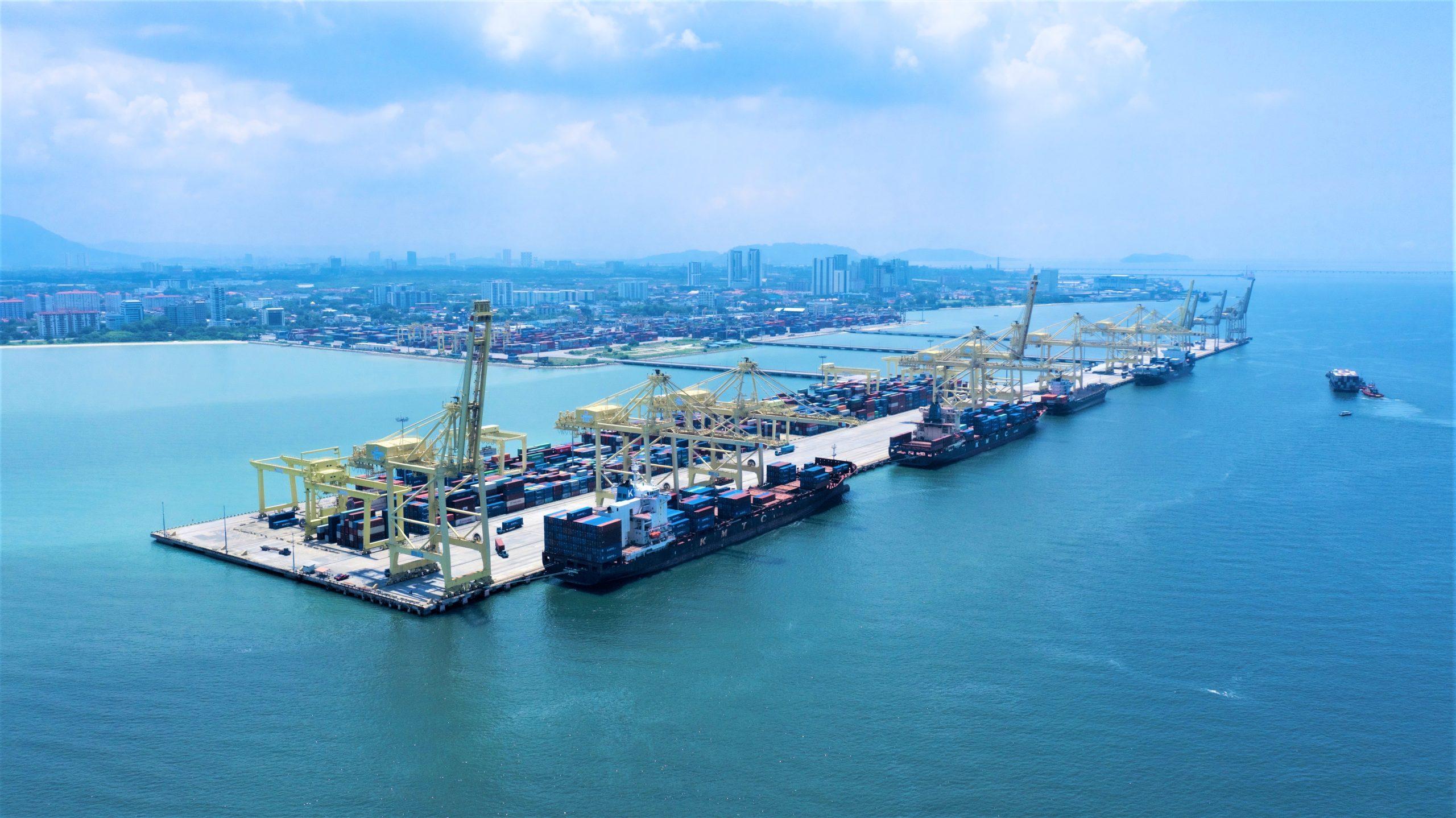
Trade activity link: Port of Tanjung Pelepas and Johor Port support export-heavy operations, and the Singapore link often attracts investors and contract manufacturers.
East Coast: Pahang, Terengganu, Kelantan
The East Coast is not usually the first stop for consumer-product sourcing, but it matters for heavy industry, metals, energy-linked manufacturing, and certain industrial projects. If your supply chain connects to steel, petrochemicals, or resource-linked manufacturing, the East Coast becomes relevant.
Trade activity link: Kuantan Port and energy corridors support industrial flows.
East Malaysia: Sabah and Sarawak
East Malaysia can be important for resource processing, energy-linked industries, and regional distribution. For typical export consumer goods, supplier density is lower. For heavy industry, it can be significant.
Trade activity link: ports serving resource exports and regional markets.
Prominent industries in Malaysia and where to find suppliers
Electronics manufacturing and EMS in Malaysia
If your target is electronics manufacturing Malaysia, Malaysia’s value is in structured execution and cluster density, especially in the north. The supplier landscape includes EMS, PCBA assembly, box build, cable harnesses, precision components, testing services, and industrial electronics subcontractors.
Where to search:
- Penang for EMS, PCBA, industrial electronics, test and automation suppliers
- Kedah for high-tech park-linked suppliers and industrial subcontractors
- Johor for electronics assembly linked to Singapore logistics and regional distribution
- Selangor for supporting suppliers, enclosures, plastics, packaging, and general industrial subcontracting
How trade activity shapes it:
Electronics programs often depend on stable inbound component flow and fast outbound shipping. Clusters that sit close to ports, airports, and established supply chain networks are usually more reliable under time pressure.
How to qualify:
In electronics, the key question is not only “can you assemble,” but “how do you control revisions, test coverage, ESD discipline, and traceability.” Malaysia factories often communicate well, but you still want proof, not claims.
Semiconductor and precision manufacturing ecosystem
If your keyword strategy includes Penang semiconductor industry, treat it as an ecosystem search, not a single supplier search. Even if you are not sourcing wafer-level production, the semiconductor-linked ecosystem creates strong demand for precision machining, fixtures, tooling, automation parts, clean manufacturing habits, and documentation discipline.
Where to search:
- Penang for precision suppliers serving high-tech ecosystems
- Kedah for industrial parks supporting high-tech manufacturing
- Selangor for broader precision machining and industrial supply base
How to use it:
Even non-semiconductor buyers benefit from this ecosystem when sourcing high-precision parts, because factories serving high-tech customers often have stronger process discipline.
Medical device manufacturing in Malaysia
Medical devices are highly cluster-driven. Malaysia’s medtech ecosystem is visible and export-oriented, ranging from consumables to higher-value devices and subassemblies.
Where to search:
- Penang for dense medtech networks and certified suppliers
- Johor for industrial zones linked to regional export flows
- Selangor for supporting suppliers like plastics, packaging, printing, sterilization-related service networks, and general industrial subcontracting
Trade activity link:
Medtech buyers care about documentation readiness and stable export execution. Regions that already serve regulated export customers tend to have better habits.
How to qualify:
Look beyond certificates. Ask for controlled documentation examples, nonconformance handling, traceability logic, and how change control is managed. Medical device programs fail on discipline, not on machines.
Plastic injection molding Malaysia and polymer-based manufacturing
Malaysia has a large plastics ecosystem, including injection molding, tooling, overmolding, assembly, and packaging. It is relevant for consumer products, industrial components, electronics housings, medical disposables, and appliance parts.
Where to search:
- Selangor for the broadest plastics and tooling ecosystem
- Penang for plastics tied to electronics and high-tech supply chains
- Johor for plastics linked to industrial zones and export corridors
- Perak for selected polymer-related and rubber-linked manufacturing
Trade activity link:
Plastics supply chains are sensitive to tooling support, mold maintenance, and subcontract finishing. Dense industrial corridors reduce downtime when problems happen.
How to qualify:
Ask what tooling is owned in-house, how mold maintenance is handled, how resin traceability is managed, and what their defect prevention system looks like. A molding supplier that cannot explain their process capability is a risk.
Metalwork, metal fabrication, and industrial components
Malaysia’s metalwork sector often supports electronics, industrial equipment, construction systems, and export-oriented manufacturing. The strength is typically in structured industrial production rather than low-cost labor-heavy fabrication.
Where to search:
- Selangor for broad metal fabrication, sheet metal, machining, and industrial assembly
- Penang for precision metalwork and high-spec industrial suppliers tied to high-tech ecosystems
- Johor for industrial fabrication linked to logistics corridors and heavy manufacturing
- Pahang and Terengganu for heavy-industry linked metal supply chains and selected steel-related activity
Trade activity link:
Metal suppliers often depend on inbound raw material flows and outbound container exports. Regions linked to major ports tend to offer smoother shipping and better access to service centers.
How to qualify:
You are not just buying cutting and welding. You are buying repeatability. Look for measurement discipline, fixture use, controlled subcontracting for finishing, and stable handling after coating.
Automotive and mobility supply chain
Malaysia has a mature automotive footprint, including OEM-linked ecosystems and component manufacturing. Supplier capability spans plastics, metal parts, wiring, seating components, interior parts, and industrial subassemblies.
Where to search:
- Selangor for broad automotive supplier networks and industrial diversity
- Perak for selected manufacturing bases and supporting suppliers
- Johor for component suppliers linked to industrial zones and export corridors
- Kedah and Penang for electronics and precision components used in automotive supply chains
Trade activity link:
Automotive component supply chains are process-driven and often require stable documentation and QC routines. Clusters that already serve global customers are usually safer choices.
How to qualify:
Ask about PPAP-like discipline, traceability, incoming material control, and how they handle engineering changes.
Packaging, printing, and labeling
Malaysia has a strong packaging and printing base, including paper packaging, flexible packaging, labels, and industrial printing services. This sector is often overlooked, but it can be a critical success factor in export programs.
Where to search:
- Selangor for the broadest packaging, printing, and converter ecosystem
- Penang for packaging tied to electronics and high-tech industries
- Johor for packaging linked to export manufacturing zones and Singapore-linked logistics
Trade activity link:
Packaging is often time-sensitive. Proximity to export corridors can reduce lead time and damage risk.
How to qualify:
Check color control routines, material sourcing stability, and how they manage defects and reprints. Packaging suppliers can look good on samples but fail on consistency.
Food manufacturing and Halal supply chains
Malaysia is a key reference point for Halal manufacturing and export programs. If your target is Halal food manufacturing and compliant supply chains, Malaysia’s ecosystem can be a strong base.
Where to search:
- Selangor for dense food manufacturing and distribution networks
- Johor for export-linked manufacturing zones and cross-border supply chains
- Penang for regional manufacturing and export flows
- Sabah and Sarawak for selected processing supply chains tied to regional resources and regional distribution
Trade activity link:
Food supply chains depend on cold chain, compliance documentation, and reliable export routing. Industrial corridors with strong logistics infrastructure matter more than most buyers expect.
How to qualify:
Do not only ask for certifications. Ask about supplier approval systems, traceability, allergen control, and export documentation handling.
Chemicals, petrochemicals, and industrial materials
Malaysia has significant petrochemical and chemical industry activity, which matters if your sourcing includes industrial materials, resins, solvents, coatings, or chemical-linked manufacturing inputs.
Where to search:
- Johor for petrochemical-linked ecosystems and industrial corridors
- Terengganu for energy-linked industrial activity
- Selangor for broader industrial chemical distribution and supporting manufacturing networks
Trade activity link:
Industrial chemicals are logistics-heavy and compliance-heavy. You need suppliers that understand documentation, safety handling, and export requirements.
How to qualify:
Verify licensing, safety systems, storage capability, and traceability. In many cases, your “supplier” may be a distributor rather than a producer, and that can be fine if accountability is clear.
How to use trade activity to find suppliers faster
Malaysia’s supplier discovery becomes easier when you match your industry to how trade flows.
Container export programs
If your product ships in containers, prioritize suppliers close to major container ports and freight corridors. Central and southern corridors often become important here.
Air freight and high-value programs
Electronics and high-value components often benefit from proximity to airports and established export ecosystems, which is one reason northern clusters perform strongly.
Cross-border distribution programs
If your strategy involves Singapore-linked distribution, Johor can be a practical base for manufacturing and consolidation.
Trade events and buyer matching
Malaysia’s trade ecosystem includes trade promotion programs and export directories that can compress your search time. Trade events are useful when you go with a qualification script, not when you collect brochures.
How to avoid the most common supplier mistakes in Malaysia

Confusing trading companies with factories
Trading companies can be useful, but only if they are transparent and control subcontracting. If they avoid sharing factory addresses or in-house process lists, treat that as a risk.
Overvaluing a polished presentation
Malaysia suppliers can present professionally. That is a strength, but it can hide weaknesses. Always request evidence of process control, traceability, and nonconformance handling.
Visiting too early
Do not tour factories until you have a shortlist and basic proof. Tours should validate behavior, not start the conversation.
Skipping controlled pilots
A pilot validates real performance. It is cheaper than a large shipment failure.
A practical conclusion: the fastest way to win in Malaysia is to source by cluster
If you want to find Malaysia suppliers efficiently, avoid searching by country and start searching by cluster. Penang and the north are typically strongest for high-tech ecosystems and precision manufacturing. Selangor and the central corridor are strongest for supplier diversity, plastics, packaging, and metalwork. Johor is a major export corridor and cross-border manufacturing base. The East Coast and East Malaysia become important when your supply chain touches heavy industry, energy-linked manufacturing, or resource processing.
Malaysia is not one supplier market. It is a set of industrial corridors linked to trade flows. When you align your supplier search with those corridors, you reduce noise, shortlist faster, and build a supply chain that performs.