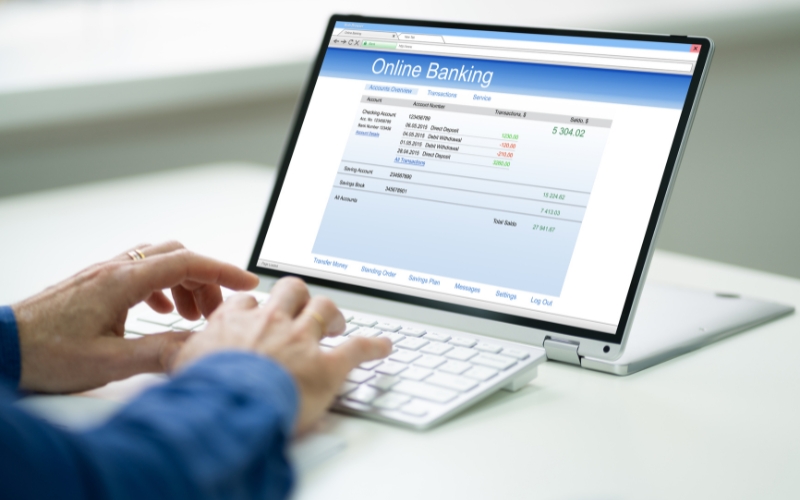
The foundation of nearly all business operations in Myanmar relies on developing a trustworthy relationship with a bank. Whether a business establishes a representative office, begins trading operations, starts a local payroll, or begins manufacturing, banking services are required for business operations. Corporate accounts are necessary for receiving payments, managing company costs, making payments to suppliers, paying employees, and making transactions both domestically and internationally.
Foreign investors typically assume they can evaluate potential banks for investment in Myanmar. However, Myanmar’s banking system is bound by its own regulations, operational standards, and will have different considerations for foreign exchange than most of Myanmar’s neighboring ASEAN countries. Therefore, foreign investors in Myanmar are required to have knowledge of the banking services, the processes for establishing a bank account, and the foreign exchange regulations and will need to have practical knowledge of treasury management.
Though Myanmar’s banking system is still developing, foreign investors still have numerous options for corporate banking. This guide is meant to be a preliminary tool to understand the banking system of Myanmar, the foreign corporate banking of Myanmar, the international payment banking of Myanmar, and the foreign exchange banking of Myanmar, as well as the main risks and trends of the banking system from 2026 and beyond.
Understanding Myanmar’s Banking Sector in 2026
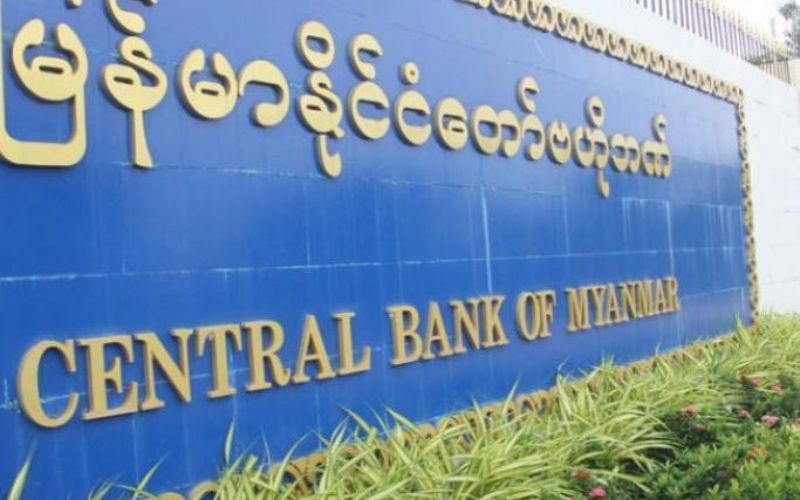
Myanmar’s banking sector plays a central role in supporting economic activity, investment, trade, and financial services across the country. The sector is regulated by the Central Bank of Myanmar (CBM), which oversees monetary policy, banking supervision, foreign exchange management, and financial stability.
The banking landscape consists of several categories of institutions:
- Domestic private banks
- State-owned banks
- Foreign bank branches
- Representative offices of international banks
Domestic private banks continue to dominate retail and corporate banking services. Among the most recognized institutions are:
- Kanbawza Bank (KBZ Bank)
- Ayeyarwady Bank (AYA Bank)
- CB Bank
- United Amara Bank (UAB)
These banks provide a range of services including corporate accounts, trade finance, treasury services, online banking, and payment solutions.
Foreign banks have licensed branches or offices in Myanmar. Even though foreign banks have the capacity to help large international corporations and facilitate international transactions, they mostly only focus on Myanmar corporate clients and international business activities.
Digital banking, mobile payments, and mobile banking have expanded in Myanmar during the past ten years. Many banks have also introduced electronic payment systems. Online banking and electronic payment systems have facilitated banking for business clients.
Operational banking in Myanmar is likely to be dissimilar to more developed banking systems. Every bank may have different procedures. There could be a lot of documentation, and a great deal of attention is needed to ensure there is compliance with the transaction.
When selecting a banking partner, foreign investors should evaluate factors such as:
- Corporate banking capabilities
- Foreign currency services
- Trade finance expertise
- Online banking functionality
- Customer service quality
- International connectivity
- Regulatory compliance support
The banking partner a business chooses is likely to affect how efficiently a business that depends on international transactions, imports, and/or exports operates.
Foreign investors should incorporate banking into the business side of their Market Entry Strategy. Banking in Myanmar is not just an administrative exercise.
Opening and Managing a Corporate Bank Account
Opening a corporate bank account is an important step after foreign entities legally establish themselves in Myanmar. Foreign entities and joint ventures may utilize banking services, provided they meet the regulatory and documentation requirements of Myanmar.
Choosing the correct bank is part of the account-opening process. The requirements of different banks may vary based on the operations of the corporate entity. Companies that import or export goods may require banks that handle trade finance and transactions in foreign currencies. Other corporate entities may prefer a bank that provides a digital platform that handles payroll and other features.
Banks generally require comprehensive documentation before approving corporate accounts. Requirements often include:
- Certificate of incorporation
- Company registration documents
- Business licenses or permits
- Tax registration information
- Shareholder and beneficial ownership details
- Director identification documents
- Corporate resolutions authorizing account opening
- Proof of business address
Depending on the nature of the business, additional documentation may also be required to satisfy compliance and due diligence obligations.
Corporate customers can typically access several types of accounts, including:
Myanmar Kyat (MMK) Accounts
These accounts are used for local business transactions, domestic payments, payroll processing, and operational expenses denominated in Myanmar’s local currency.
Foreign Currency Accounts
Businesses engaged in international trade or foreign investment activities may be eligible to maintain foreign currency accounts, subject to applicable regulations and bank policies.
Multi-Currency Banking Solutions
Some institutions offer solutions that support multiple currencies, helping businesses manage international transactions more efficiently.
Once an account is operational, companies can access a range of banking services including:
- Payroll administration
- Supplier payments
- Domestic transfers
- Trade finance
- Foreign exchange services
- Online banking
- Cash management solutions
Ongoing compliance is very important. Banking institutions have placed emphasis on Know Your Customer, KYC, policies and procedures. Also, entities must comply with the requirements of anti-money laundering and the monitoring of transactions.
Foreign investors must be very organized as the lack of organization leads to a lengthy and difficult account-opening process. Companies that prepare their documentation and retain an orderly system of corporate records generally are able to establish a banking relationship in a timely manner.
Keeping in contact with the banking relationship and maintaining an organized system of corporate records keeps the entity informed and reduces difficulties with banking services.
International Payments, Foreign Exchange and Treasury Considerations
For many foreign investors, Myanmar business banking’s most essential components include foreign exchange management and international payment systems.
Foreign exporters and importers and foreign investors all need to carefully control financial flows across borders. It is important to understand the foreign exchange system of Myanmar to effectively control company finances.
The Foreign Exchange Management Law puts the Central Bank of Myanmar in control of all foreign exchange systems and currency transaction regulations. Businesses need to be aware of all the regulations and partner with banks to ensure compliance.
Cross-border payments commonly include:
- Import settlements
- Export proceeds
- Service payments
- Royalty payments
- Management fees
- Overseas supplier transactions
- International loan repayments
The documents needed for international bank transfers can be greater than in other jurisdictions. Banks often need evidence to support the purpose of a transaction to ensure compliance with the regulations.
International treasury management systems are required for multi-national operations. Businesses need to control the flow of money for the payment system and foreign exchange for banking operations.
There are a number of important considerations that need to be addressed.
Working Capital Management
Businesses need sufficient funds to meet operational needs and keep liquidity.
Currency Planning
Revenues and expenses in different currencies mean exposure that needs to be managed with treasury systems.
Banking Relationships
To meet operational needs and reduce risk, many businesses maintain relationships with multiple banks.
Trade Finance Support
There are several trade finance products – letters of credit, guarantees, and documentary collections, for example — that many importers and exporters use. The right bank can provide strong trade finance products to help streamline your bank’s international operations.
Efficient documentation and adherence to compliance may be perceived as just an administrative function. However, the proper documentation and management of bank transactions may help eliminate unnecessary delays and the overall efficiency of the organization may be greatly improved.
Foreign investors need to be aware that the treasury management of their company in Myanmar may require more attention than the management of treasury resources in more developed financial markets. Companies that implement effective treasury management including the establishment of an effective banking relationship and internal controls are likely to be in a better position to undertake business in Myanmar over a prolonged period of time.
The successful banking in Myanmar illustrates the need for a thorough understanding of the regulations, and the integration of operational and treasury activities to achieve the desired results.

Banking Challenges, Risk Management and the 2026–2027 Outlook
Myanmar, of course, has its specific problems and markets, like any other nation on earth, does initially offer a wide array of opportunities for any business that uses banking. Noticing problems and taking them into consideration can help small scale investors grow their capital by planning more successful investments.
The most significant aspect of the problems has to be the regulatory changes. As the policies and financial regulations change, especially concerning foreign exchange, the businesses have to be updated and change their processes accordingly.
The management of foreign exchange is one of those problems as well. This concerns businesses that are involved in trade and other cross-border financial transactions. The management of foreign exchange must be monitored closely.
Banking services have been modernized, and limitations are being improved in transactions and services, however, businesses must have realistic expectations and be aware of the limitations of services and banking procedures.
Regulatory compliance has become a challenge. Banks are under more regulatory pressure and require extensive documentation and periodic due diligence. Businesses that have a high level of compliance and governance are able to meet these demands satisfactorily.
Several strategies can help mitigate banking-related risks:
- Maintaining relationships with multiple banks
- Implementing treasury controls
- Conducting regular cash-flow forecasting
- Establishing internal payment approval processes
- Working with experienced legal and financial advisors
Development of banking services, especially digital banking, is rapid in Myanmar. Banking, electronic payments, and digital services are becoming key issues for Myanmar’s consumers and businesses.
With the rapid expansion of the technologies, businesses will have faster transactions, greater transparency, and improved access to banking services. Digital mechanisms will further enhance treasury and financial services.
Banking sector modernization is predicted to continue as a priority for 2026 to 2027. Financial institutions are predicted to continue investment in technology, customer service, and operational efficiency. Continued development will potentially improve the overall banking experience for corporate customers, despite some existing challenges.
For foreign investors, the best practice is often to take control of the finances and not be reliant on one banking solution. Diversification of banking relationships along with a robust compliance culture and adaptable treasury management will help businesses to deal with new conditions.
Businesses in Myanmar that view banking as a strategic service as opposed to a transactional service have the competitive advantage over those that don’t in the long term and are more likely to achieve operational resilience.
Conclusion
In order for foreign investors to do business in Myanmar, reliable banking services have to be available. Banking services are critical for business operations, as they are needed for everything from corporate accounts and payroll to processing payments and trade services.
Although there are differences between Myanmar banking and banking in other more developed ASEAN markets, foreign companies in Myanmar do have banking options. Being successful is contingent upon your knowledge of the required documentation and your ability to respond to and plan for appropriate levels of regulatory compliance and liquidity.
You need to be especially careful with the requirements for international payments and the controls for foreign exchange, as Myanmar is a developing country and its banking environment is in continuous flux. Enterprises that develop solid relationships with banks and implement strong, but reasonable, financial controls will more effectively meet operational challenges and develop new business opportunities.
The evolution of Myanmar’s financial sector creates a myriad of opportunities. Enterprises that are informed about developments, and adopt an appropriate level of flexibility in bank customer strategy, will be able to navigate the banking environment much better than their competitors.