


For foreign investors in Myanmar, one of the most crucial parts of a successful business operation is the ability to transfer money internationally with ease. Through payments and transfers of working capital, foreign investors are able to undertake a business operation and make payments for imports, make and receive payments for services, receive sales proceeds, transfer out profits, and finance business operations.
Making the necessary cross border transactions in Myanmar is not as easy as just going and opening a bank account. The business will have to factor in Myanmar’s foreign exchange procedures, banking, and the foreign exchange controls. These factors will influence the efficiency of operations and the timing of transactions and money management.
Even with Myanmar’s continued efforts in fostering international trade and foreign investments, foreign investors are encouraged to undertake a high level of compliance and planning before engaging in international payments and transactions. Knowing the system will help businesses avoid delays and work out the operational risk to keep financial transactions in business operations.
This guide looks into Myanmar’s foreign exchange and payment system, the various ways businesses conduct international business, foreign direct investments, profit repatriation, capital transfers, and much more. The guide will provide insights to foreign investors in Myanmar.
Understanding Myanmar’s Foreign Exchange and Payment Framework
A combination of banking laws, foreign exchange regulations, and compliance standards established and managed by the Central Bank of Myanmar (CBM) controls international payments within Myanmar.
As Myanmar’s monetary authority, the CBM controls foreign exchange and supervises the general activities of banks and international financial transactions. Businesses making international payments must deal with a licensed commercial bank that has permission to make international and foreign currency payments.
Many foreign investors evaluating the opportunity to invest in Myanmar want to know the extent of regulation involved in making international payments from Myanmar. International payments involve more compliance and documentation than domestic payments. Commercial banks must evaluate the purpose and the compliance of international payments.
Common categories of international payments include:
- Import payments
- Export-related receipts
- Service payments
- Management fees
- Royalty payments
- Loan repayments
- Investment-related transfers
- Dividend distributions
International payments also involve more documentation than domestic payments. Payment for imports must include invoices, a contract or contracts, shipping documents, and other business records. Payment for services must include invoices, the contract for the service, and documentation of the service performed.
Regulation of international payments is a priority for banks and businesses must deal with the compliance and documentation of payments. International payments can be delayed because of improper documentation.
Managing foreign exchange is very important when making international payments. Businesses making international payments must manage both their foreign and local currency accounts. Banks impose restrictions and controls on the currency.
For overseas investors, the best option would be to form solid banking ties and have all the paperwork for international dealings on hand. This could lead to more rapid dealings and lessen the risks regarding delays and compliance.
The main point stands, as international transactions in Myanmar can be carried out through the proper licensed banking routes, but the ability to do so will depend on preparation, proper paperwork, and knowledge of the governing laws.
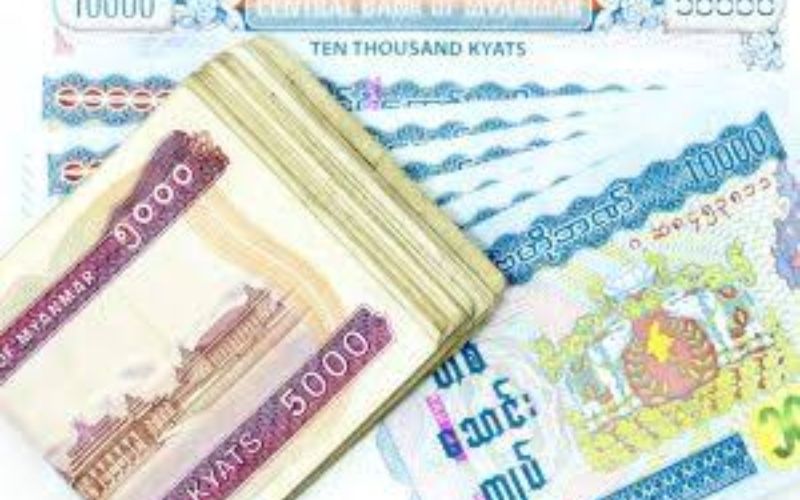
Managing International Business Payments from/to Myanmar
For many foreign-invested companies, international payment transactions in Myanmar are a daily business requirement. Importers, exporters, manufacturers, trading companies and service providers utilize various banking channels for international business dealings.
Import transactions are one of the more popular transaction types.
Companies that import machinery, raw materials, tools and equipment, or other trading commodities, need to make payments to suppliers in other countries. Banks generally require supporting documents to cite the purpose and amount of the transaction. Common documents may include:
- Commercial invoices
- Purchase contracts
- Shipping documents
- Customs declarations
- Import permits where applicable
Trade finance instruments such as Letters of Credit (LC) are used to address the risks of payment and to facilitate international trade. A Letter of Credit provides the supplier assurance and allows the buyer to fulfill the payment obligation through a controlled banking channel.
Different concerns exist for an export-oriented company.
Companies collecting payments from customers based in other countries need to work with their bank to receive export proceeds and to adhere to the requirements related to the receipt of funds. International payments for exports should be documented.
Beyond trade activities, businesses frequently make international payments for:
- Professional services
- Consulting fees
- Software subscriptions
- Cloud services
- Technical support agreements
- Overseas contractors
- Licensing fees
As companies grow, payments for services become an important part of international transactions. Documenting the service transaction is a requirement.
A vast majority of international payments are made through banks that are members of SWIFT. In general, the ability to process payments in an efficient manner is the result of a bank’s payment procedures, the quality of their control and their documentation standards.
Other important considerations for international payments are the timing of transactions and the company’s liquidity. Treasury departments are tasked with controlling the flow of funds to ensure that payments are made on time (to avoid disruption to business operations) while ensuring that there is enough cash to meet the company’s other obligations.
Several best practices can improve payment efficiency:
- Maintain organized transaction records
- Standardize approval processes
- Develop strong banking relationships
- Prepare supporting documentation in advance
- Monitor payment processing timelines
International payments for foreign investors must be looked at within the context of their overall treasury management system. Businesses that create documented procedures and communicate consistently with their bank staff are usually more capable of facilitating business operations.
The most important thing to understand is that the success of international payments depends on the preparation and management of processes as much as the banking capabilities.
Profit Repatriation, Dividends and Capital Transfers from Myanmar
One of the key questions for foreign investors is, Can they move profits and capital out of Myanmar? A foreign investor considering a country for long-term investment will have capital repatriation and profit repatriation as an important consideration.
A foreign investor will typically be able to transfer profits, dividends, and related investment funds, provided the necessary tax and other banking regulations, procedures, and controls are observed.
The repatriation of profits usually means the transfer of profits earned by a business in Myanmar to its shareholders or parent company in another country. Before any transfers are made, a business will usually have to make sure:
- Financial records are properly maintained
- Tax obligations have been satisfied
- Corporate approvals have been obtained
- Supporting documentation is available
Dividend payments adhere to the same concepts. Companies that pay their profits to shareholders must have the proper paperwork and follow whatever laws and taxes apply to them.
For businesses owned by foreigners, making dividend payments is one of the main ways of offering the shareholders the value of their investment. Therefore, the right governance and accounting practices are very important.
Capital transfers can take several forms, including:
Initial Investment Capital
Foreign investors commonly transfer capital into Myanmar to fund business establishment, equipment purchases, working capital requirements, and operational expansion.
Shareholder Loans
Some companies provide funding through shareholder loans rather than equity contributions. Loan-related payments and repayments typically require appropriate documentation and banking support.
Capital Reductions
Corporate restructuring activities may involve reducing capital or returning funds to investors, depending on legal and regulatory requirements.
Exit Proceeds
Investors exiting the market may need to transfer proceeds from business sales, asset disposals, or share transfers. Such transactions generally require comprehensive documentation and careful coordination with financial institutions.
One of the most important aspects of capital management is record-keeping. Businesses should maintain detailed records of:
- Capital contributions
- Shareholder transactions
- Loan agreements
- Dividend approvals
- Tax filings
- Financial statements
Good documentation aids compliance and makes future audits and capital transfers simpler. Effective treasury planning is equally essential. Companies that predict their future repatriation needs are often able to design transactions with fewer administrative challenges. For foreign investors, the most important point to understand is that capital transfers are typically allowed when there is sufficient documentation, tax obligations are met, and banking requirements are satisfied. Doing this ahead of time most often avoids lags in the capital transfer and makes the transfer easier.

Challenges, Risk Management and the 2026–2027 Outlook
International capital flows involve conducting business internationally through payments and transfers of funds. Investors must recognize that conducting cross-border transactions in Myanmar requires a high level of attention toward compliance and risk.
A primary concern is dealing with changes in regulations. Because foreign exchange controls and the banking and documentation procedures are subject to change, businesses must be ready to modify their strategies and operations in response.
As the regulations become more complex, so does the documentation that must be filed. When large international transfers must be documented, the transfers may need additional support for their smaller transactions.
A variety of banking processes is an additional concern. If a strong banking relationship has been established, a business is well-served if they stay with their banking partners. Having the same banking partners for a long time provides institutions the opportunity to learn the business and better assist it.
Treasury management is another important area of focus.
Businesses can improve resilience by:
- Conducting regular cash-flow forecasting
- Maintaining contingency liquidity
- Diversifying banking relationships
- Establishing internal payment controls
- Implementing approval procedures
- Monitoring regulatory developments
Professional advisory support may also be helpful. Regulatory requirements may be interpreted with the assistance of legal, tax, and financial advisors. Advisory support may also assist with emerging compliance needs.
Several developments may affect international payment activities in the years 2026 and 2027.
The digital banking initiatives that are growing in the financial sector may offer more efficient payment options with greater visibility of the payment transactions. The industry is creating new technologies to improve the client experience and ease the complexity of treasury operations.
At the same time, businesses should continue monitoring:
- Foreign exchange policies
- Banking sector developments
- Payment infrastructure improvements
- Regulatory updates
- International trade trends
Companies that proactively manage treasury functions and maintain strong compliance standards are generally better positioned to navigate operational challenges and support long-term business growth.
Rather than viewing international payments as purely administrative processes, successful investors treat treasury management as a strategic capability that supports broader business objectives.
Conclusion
International payments and capital transfers are critical for running an overseas, investing venture in Myanmar. Running a business includes paying suppliers, receiving payment for exported goods, and sending and receiving dividends and profits. Cross-border financial operations requires effective management of business operations, banking relations, and the treasury.
International transactions are possible using licensed banks. However, a business will need a strong documentation, and compliance banking and tax obligations. Also, managing regulatory changes is very important. This is especially true for profit repatriation, distribution of shares, and transfers related to investment.
Having insight into payment processes is important, but success is founded on other areas too, especially, good record-keeping, controlled treasury functioning, and having a strong knowledge of and relation to the banking and business advisory sector. Businesses that establish these functions have a greater chance to succeed in the Myanmar market and will be able to operate in a sustainable manner and achieve their long-term goals.
As Myanmar’s financial systems advance, the businesses that are the most disciplined and have a measured approach to capital and international operations the most will prosper as the other businesses try to catch up.