


Vietnam’s trade sector is witnessing an unprecedented surge in activity. In the first four months of 2026, the total value of imports and exports was approximately USD 344.17 billion with exports worth about USD 168.53 billion and imports worth about USD 175.64. Record breaking monthly totals for April 2026 were approximately USD 48.8 billion in imports and nearly USD 45.52 billion in exports. Rapid year-on-year import growth of about 28.7% in the first four months illustrates the volume of trade passing through Vietnamese ports, border crossings and airports.
Growth for importers and exporters presents new challenges. Heightened competition for cargo space and more rigorous customs checks with little tolerance for inaccuracies of documentation, create hurdles for importers and exporters. The guide below is designed to help users navigate the sprawling, complex, and often time frustrating logistics and customs networks of Vietnam and to offer best practices for meeting Vietnam’s customs compliance and clearance requirements.
Assessing Vietnam’s Significance in Global Trade
Vietnam’s position as a major trading and manufacturing center in Asia has continued to grow centered on exports of electronics, apparel, footwear, furniture, and food exports. China is, and will remain for the foreseeable future, the primary source of Vietnamese imports, with China exporting roughly USD 69 billion to Vietnam in the first four months in 2026. This statistic helps illustrate how integrated Vietnamese manufacturing is within East and Southeast Asian supply chains. On the other hand, exports show the United States is Vietnam’s largest export destination, with exports of USD 53.9 billion in the same time period. This number demonstrates how the Vietnamese manufacturing sector and exporters are more sensitive to U.S. trade and demand cycles.
Knowledge of Vietnam’s trade, logistics, and compliance practices will help balance the trade of raw materials and machinery needed to manufacture products with the trade of the finished products, and will help forecast lead times.
Vietnam’s Trade Practices
Vietnam’s trade practices provide significant advantages and help lower trade barriers because of trade agreements and trade pacts with the EU, CPTPP, and RCEP. With these agreements, duties are removed for those products that comply with the agreement. Understanding the agreement applicable to your products and verifying compliance will provide a measurable reduction in product cost.
Trade flows geographically separate into the north (Hanoi, Haiphong, and the China border) and the south (Ho Chi Minh City, Cai Mep–Thi Vai, and the Mekong Delta). Depending on product value and urgency, most manufacturers use a logistics strategy that integrates the sea, air, and land transport.
Choosing Logistics: Modes and Partners
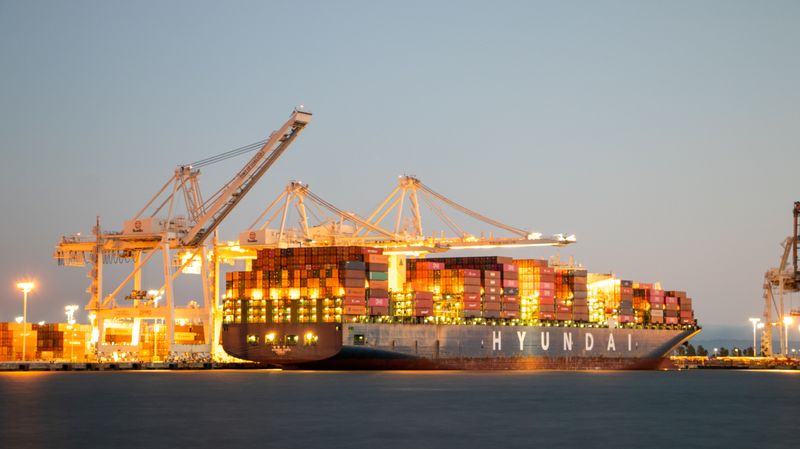
High-volume and lower-value goods utilize sea freight for their backbone logistics mechanism. In the south, Viet Nam’s Cat Lai terminal and Cai Mep–Thi Vai and in the north, Haiphong’s deep-water ports capture the majority of container movements. Full container loads (FCL) are desirable when the majority of a container is filled, whereas shipments that are less than a container load (LCL) are shipped more frequently. Capacity tends to fill fast around the peak retail season and the Lunar New Year, so early reservations are critical in Vietnam.
For high-value goods and time-sensitive items, the default mode of transport is air freight. Ho Chi Minh City’s Tan Son Nhat and Hanoi’s Noi Bai International are the gateways for air freight. Logistics mechanisms that prioritize air transport lead to direct cost impacts for customers, as the tradeoff is the route of a multi-day journey versus a time-sensitive, high-cost shipment.
Road and rail facilities are the primary logistics focus for cross-border trade with China, Cambodia and Laos. For supply chains involving China, Huu Nghi and Mong Cai border gates are often used. However, the combination of permit hassles, inspection backlogs and poor infrastructure can lead to significant delays, and should be considered a factor in lead-time, especially as an increasing share of Vietnam’s imports comes from China.
Choosing a freight forwarder or 3PL may be the highest impact decision in the whole process. Look for experience with the product, bonded warehousing, integrated customs brokerage and adequate cargo insurance. A forwarder that has actually cleared your HS code is worth more than the lowest quote.
Customs Processes and Documentation
Vietnam Customs has a standard documentation requirement for most shipments.
- Commercial invoice
- Packing list
- Bill of lading (sea) or air waybill (air)
- Certificate of origin (C/O), if preferential tariffs are to be claimed (EVFTA, CPTPP or RCEP)
- Import or export permits (controlled goods)
- Quality, sanitary and phytosanitary certificates (if applicable).
The correct classification of HS codes is the most important step on the list by far. HS code then determines your duty rate, if the product is restricted and what customs will expect in terms of supporting documents. Unintentional HS code misclassification is among the most common reasons for delays and fines and holds on shipments.
Most declarations now go through the VNACCS/VCIS electronic customs system in Vietnam, which autonomously processes low-risk shipments with automated risk-based clearance (green channel) as opposed to document or physical inspection for higher-risk shipments (yellow and red channels). Firms with a good compliance record and AEO status are usually routed to the green channel more frequently. This is a compelling reason to invest in compliance early and avoid the compliance burden later.
Duties, Taxes and Valuation
When valuing imported goods, Vietnam Customs primarily uses the transaction value, which is the selling price of the goods, as adjusted for costs that are inclusive of or excluded from gross insurance and freight. Undervaluation of shipments to reduce duty exposures is a frequent compliance failure and, given the high frequency of customs audits on these trade lanes, will likely be scrutinized more closely.
Most imports are subject to:
- Import duty, which is determined by HS code and the trade agreement, if any
- VAT on imports, which is generally levied on the value of customs plus duty
- Special consumption tax, which is levied on alcohol, tobacco, and certain vehicles, among others
If you are importing components or finished goods from a country that is part of the EVFTA, CPTPP, or RCEP, in order to benefit from the preferential tariff, the customs authorities must have a valid certificate of origin and compliance with the relevant rules-of-origin. Customs authorities have the power to request documents that prove or support origin claims, and thus, retaining evidence such as supplier declarations and production records in addition to the certificate of origin is advisable.
Goods that are Restricted, Controlled and Prohibited
The free movement of goods across Vietnam’s borders has limits. The following goods often face outright export/import bans, or require special permits:
- Pharmaceuticals and medical devices
- Industrial chemicals and chemical precursors
- Agricultural products, seeds, and live animals
- Goods pertaining to endangered species (CITES-controlled goods)
- Certain telecommunications and broadcasting equipment
Permits for these goods are generally issued by the relevant line ministry (Health, Agriculture, Industry and Trade, Natural Resources and Environment, etc.) and the lead time can take anywhere from a couple of weeks to several months. If you assume permit lead time like any other contract and build it into your supply chain calendar, rather than treating it as a last-minute contract, you can avoid incurring demurrage and storage charges at port.
Inspections, Quarantine and Standards Compliance
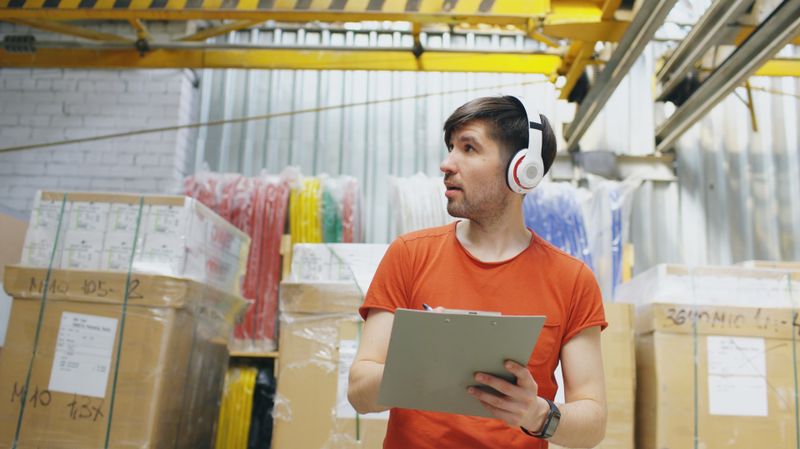
Several categories of goods entering Vietnam must undergo quality inspections and sanitary and phytosanitary (SPS) evaluations, or checks for compliance with labeling requirements, prior to release. Food and agricultural products, cosmetics, and some electronic products are likely to be subject to pre-shipment or inspections conducted at the port of entry. The labeling laws of Vietnam are strict, and claims, disclosures and markings must comply with the law. If a product is mislabeled, the product may be detained by customs, even if the product is otherwise compliant.
Where inspections are required prior to shipment, make allowances in your production schedule for inspections and certifications, as inspections and certifications may cause your product to remain finished, but unsellable.
Customs Compliance and Risk Management
Vietnam is experiencing a significant increase in the volume of trade, and as a result, the level of compliance required on documentation and classification has increased. The most common omissions of compliance requirements are:
- HS Codes that are incorrectly stated
- Goods that are overpriced and undervalued
- Missing permits for controlled goods
- Unsubstantiated claims of preferential duty
The penalties for these omissions are detention of shipments, and in severe or repeated cases, loss of the right to trade. There is an appeals process, but it is lengthy. Good compliance practices, such as the comprehensive documentation of HS Codes, checklists, and self-assessments, and using customs brokers, minimize the risk.
Logistics Cost Optimization and Lead-Time Strategies
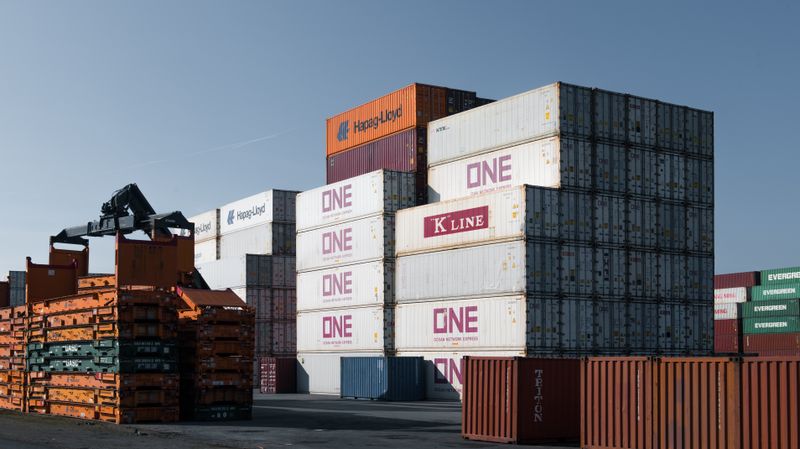
With the basics of compliance established, costs and velocity rely on a set of strategic decisions:
- Selecting an Incoterm (EXW, FOB, CIF, or DDP) decides who facilitates customs clearance and who absorbs risk at each leg of the journey. DDP offloads the customs burden to the seller, which may be a win for buyers who are unfamiliar with Vietnamese processes, but generally comes with a cost.
- Due to freight demand and limited import capacity, consolidating multiple shipments to make full container loads reduces freight costs.
- Cross-docking minimizes storage costs and delays for companies with rigid just-in-time manufacturing processes.
Practical Checklist for Importers and Exporters
Before your next shipment, make sure you have:
- An accurate HS code verified against the latest tariff schedule
- All documents (invoice, packing list, B/L/AWB, C/O if preference is claimed)
- All necessary permits for controlled or restricted categories applied for with sufficient lead time
- Customs valuation that reflects the true value of the transaction
- An Incoterms provision that clearly defines who is responsible for clearing and paying the duty
- A freight forwarder or customs broker who has proven competency with your type of goods
Where to Get Help
Vietnam Customs have official portals and hotlines for assistance with declarations. Most provincial Departments of Industry and Trade will explain permit requisites for specific product categories. For complex, high volume trade lanes, working with an accredited customs broker or trade compliance advisor is generally much more cost effective than dealing with the financial ramifications of a shipment being held at port.
Frequently asked questions
What is the process to obtain a certificate of origin in Vietnam in 2026?
The certificate of origin can be obtained from the Ministry of Industry and Trade or authorized chambers of commerce dependent on the trade agreement cited. Exporters will normally use the eCoSys system of Vietnam and will make a declaration of support with the invoice and related documents of proof of production and supply.
What is the most significant issue facing new importers to Vietnam?
The most significant issue is misclassification of HS code because it invariably leads to incorrect duty liability and other issues such as failing to obtain the proper permits, or customs holds.
Will Vietnamese trade expansion in 2026 change clearance times?
Trade growth means more goods crossing the border, putting pressure on port and customs capacity. Submitting more detailed and accurate documentation is critical for remaining in the automated ‘green channel’ to avoid being selected for manual inspections.
What offers the best duty savings for supply chains linked to Vietnam?
The EVFTA, CPTPP, and RCEP all have tariffs, but qualifying goods are contingent on which HS codes and what rules of origin are being considered.