


Vietnam’s industrial park landscape has expanded fast, and it’s now backed by real numbers worth knowing before you shortlist a site. As of 2026, Vietnam has 478 established industrial park nationwide, of which 324 are operational and 153 are under construction, according to a 2026 market update from Vietdata. Total leased industrial land area sits around 54.1 thousand hectares, with an overall occupancy rate of about 53.72%; but operational parks alone average a much tighter 78.8% occupancy.
That gap matters. It tells you that the easy, ready-to-move-in space inside already-operating parks is filling up quickly, even as a large wave of new supply is still under construction. For manufacturers and investors choosing where to locate in Vietnam, that means site selection in 2026 is as much about timing and availability as it is about cost and incentives.
Why Industrial Location Matters
Where you locate a factory in Vietnam shapes almost every other operating decision: labor cost and availability, proximity to ports and suppliers, utility reliability, and how quickly you can get from signed lease to production line running. With operational-park occupancy already near 79%, securing the right site earlier rather than later is increasingly a competitive advantage, not just a procurement task.
Types of Industrial Zones and Ownership Models
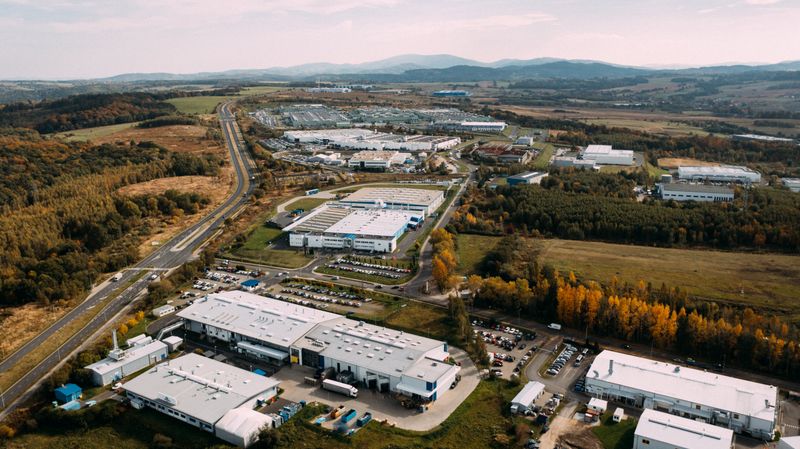
The state-controlled variety tends to have more of a uniform and reliable shipping and transportation capability, as well as established government incentive programs.
The privately developed zones tend to have flexible-and-faster terms for developers, but vary more in infrastructure quality.
The export processing zones are targeted at manufacturers that import raw materials to and export finished goods from these zones, and as such, tend to have a more simplified customs clearing process.
High-tech parks, targeting electronics, semiconductors, and R&D-intensive investment, usually with stronger incentive packages.
Eco-industrial parks, built around shared resource efficiency and environmental standards, an increasingly relevant category given the buildout of centralized wastewater treatment across the sector.
For foreign investors, the practical distinction that matters most is land lease versus land allocation. Most foreign-invested projects operate under long-term land lease arrangements (commonly up to 50 years, sometimes longer for large strategic projects), rather than land allocation, which is more typically reserved for domestic or state-linked entities.
Incentives and Regulatory Framework

Vietnam uses three primary considerations when determining incentive eligibility: sector, geographic location, and scale of investment. A partial list of incentives is included below:
- CIT holidays, typically multi-year periods of exemption following a reduced rate period
- Land rent exemptions or reductions, especially in less-developed provinces or in designated economic zones
- Exemption from import duties when importing machinery and equipment for the formation of fixed assets
Non-fiscal incentives (e.g., faster licensing and greater administrative support for investment promotion) can, for projects facing time constraints, be more beneficial than the fiscal incentives. Generally, projects in priority sectors that are high-tech, large-scale, or that have an export orientation are most likely to receive favorable incentive packages. On the other hand, projects that are smaller in scale and oriented to the domestic market are likely to have more modest incentives.
Infrastructure and Utilities Checklist
Infrastructure quality varies meaningfully between parks, even within the same province. Before committing to a site, verify:
- Power: substation capacity, redundancy, and historical reliability, critical for manufacturers running continuous processes.
- Water and wastewater treatment: whether the park has centralized treatment capacity that meets current environmental standards. This is a genuinely useful 2026 data point; 298 of Vietnam’s operational industrial parks already have centralized wastewater treatment plants meeting environmental standards, but that still leaves a meaningful share of operational parks without this infrastructure in place, making it a real differentiator worth checking site by site.
- Telecoms: fiber availability and redundancy for facilities relying on real-time data or automation.
- Roads and gate access: truck access hours, gate congestion patterns, and proximity to highway on-ramps.
- On-site services: customs gate access, bonded warehouse availability, and waste treatment facilities.
Workforce and Supply Chain Factors
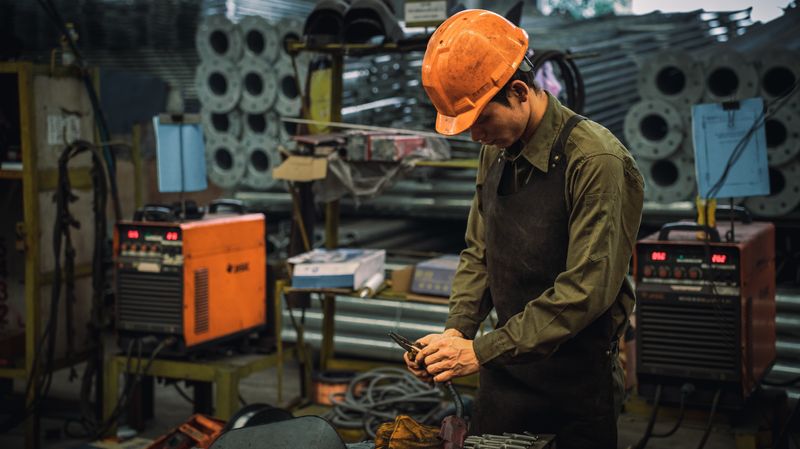
The North and South of Vietnam differ in labor availability and cost. Regions in the North, particularly around Hanoi, Bac Ninh and Hung Yen, have robust electronics manufacturing labor pools. Consequently, the South, particularly Ho Chi Minh City and the surrounding provinces of Long An, Binh Duong, and Dong Nai, can provide a wider range of manufacturing services and better access to the busiest container ports in the country. Regions that fall in the middle can provide cost advantages, but at the cost of convenience in logistics.
Supply chain proximity matters as much as raw labor cost. A site that’s marginally more expensive but sits closer to your suppliers, your port, or your customer base can easily beat a cheaper, more isolated site on total landed cost.
Environmental, Permitting and Land-Use Considerations
Every industrial project in Vietnam needs to clear zoning, environmental, and land-use due diligence before construction:
- Environmental Impact Assessment (EIA): required for most manufacturing projects, with scope and review time scaling with project size and pollution potential.
Pollution and emissions: controls are tightening for chemical and textile dyeing industries, and heavy manufacturers. - Soil and flooding risk: this applies to the Mekong Delta and Central Vietnam flooding that can greatly disrupt the construction and operation of facilities.
- Social license to operate: Community relations are becoming an increasing focus for most provincial authorities in Vietnam. Therefore, early engagement can reduce the risk of an application being rejected.
Given that nearly 300 operational parks already have centralized wastewater treatment in place, choosing a park with that infrastructure already built can meaningfully shorten your own environmental permitting timeline.
Costs and Commercial Terms

Land lease pricing in Vietnam typically includes a base lease rate (often quoted per square meter for the lease term) plus separate utility tariffs and park management/service fees. Watch for:
- Escalation clauses tied to inflation or CPI over the lease term
- Deposit requirements and payment schedules
- Site handover timelines, particularly for parks still completing internal infrastructure
With operational parks running close to 79% occupancy, pricing power in ready-to-build sections of established parks has been shifting toward landlords, which makes early-stage negotiation and a clear comparison across multiple sites more valuable than ever.
Logistics and Connectivity
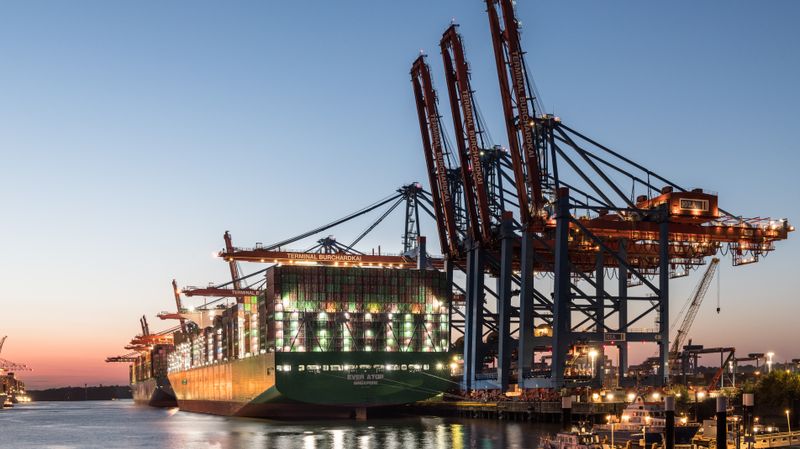
Port access remains a top site-selection factor for export-oriented manufacturers. Southern parks near Ho Chi Minh City and Cai Mep–Thi Vai offer the shortest routes to Vietnam’s busiest container terminals, while northern clusters around Haiphong serve manufacturers exporting through the north, particularly those integrated with Chinese supply chains. Intermodal connectivity, how easily goods move from factory gate to port via highway or planned rail links, should be assessed alongside raw distance, since congestion on key corridors can erode the advantage of a seemingly close site.
Process to Secure Land or Park Space
A typical sequence looks like this:
- Site shortlist based on sector fit, budget, and logistics requirements
- Due diligence on land status, infrastructure, and environmental compliance
- Lease negotiation, including commercial terms and escalation clauses
- Investment registration, aligning the project with Vietnam’s investment licensing framework
- Construction permitting
- Site handover and construction
- Operations start
Timelines vary widely by park readiness and project complexity, but the most common bottlenecks are environmental approval and utility connection scheduling — both worth flagging early in negotiations rather than treating as a late-stage formality.
Case Study: Comparing Two Hypothetical Sites
Consider a manufacturer choosing between two options:
Park A and Park B are separated by distance from a major container port, as well as higher lease claims, and full wastewater treatment infrastructure in Park A. Meanwhile, Parks B has infrastructure for wastewater treatment in the construction phase, and has land available for continued expansion.
For an export-heavy operation sensitive to logistics cost and timeline certainty, Park A’s premium may be easily justified by faster customs clearance and shorter drayage times. For a domestically-focused manufacturer planning a multi-phase expansion, Park B’s lower cost and available land may outweigh the logistics tradeoff. The right answer depends entirely on your supply chain shape, which is exactly why a structured scorecard, rather than a single “best” answer, is the right tool here.
Decision Checklist and Scorecard
Score each candidate site (1–5) across:
- Infrastructure readiness (power, water/wastewater, telecoms)
- Incentive value (tax holidays, land rent terms)
- Total cost (lease, utilities, service fees, escalation terms)
- Workforce availability and cost
- Logistics and port/airport proximity
- Environmental and permitting risk
Weight each category based on your operation’s priorities, and you’ll have a far more defensible basis for choosing between sites than gut feel or lease rate alone.
Frequently Asked Questions
How many industrial parks does Vietnam have in 2026?
By 2026, Vietnam will have a total of 478 announced industrial parks, of which 324 are operational, and 153 are still being constructed.
What is the current industrial land occupancy rate in Vietnam?
Overall occupancy across all established industrial land sits at about 53.72%, while operational industrial parks specifically average a much higher 78.8% occupancy rate.
Do all Vietnamese industrial parks have wastewater treatment?
No. As of 2023, there are a total of 298 operational parks with centralized wastewater treatment plants that meet environmental standards. While this is a substantial amount, it is still not comprehensive, therefore it is suggested to verify every specific case as required.
Should one choose an operational park or one that is still under construction?
Operational parks have infrastructure that is already built, so it is quicker for a business to set up. However, there is less room for negotiation as more businesses occupy the space. Parks that are under construction have more land and are generally less expensive, at the expense of not knowing when construction will be completed and of what quality the rest of the infrastructure will be.