

If you are building furniture collections in Vietnam (or planning to) this page gives you the foundation to make faster, safer sourcing decisions.
Vietnam’s Furniture Manufacturing Industry in 2026
Vietnam has rapidly positioned itself as one of the leading furniture exporters globally, benefiting from global supply chain shifts and increasing international demand. The country is now among the top furniture exporting nations worldwide, supported by a strong base of export-oriented manufacturers and growing foreign investment.
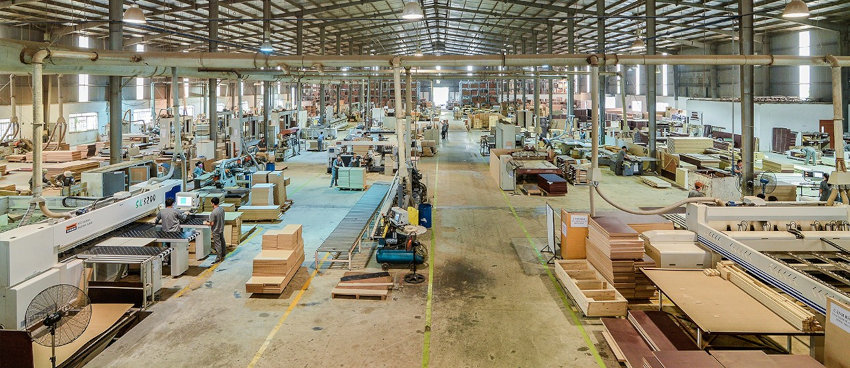
The industry includes thousands of manufacturers, ranging from large industrial players to smaller workshops, with a significant share of exports driven by foreign-invested enterprises. This dual structure creates both opportunities and complexity for international buyers.
Vietnam’s furniture success is built on a mix of macro and operational factors:
A mature export ecosystem
Vietnam has been exporting furniture at scale for years. Many factories are experienced with:
- Export packing standards and container loading
- Documentation and shipping workflows
- Working with international buyers who require repeatable quality
- B2B cycles: sampling → pre-production → production → inspection → shipment
Global demand for furniture (particularly from the US and EU) has significantly contributed to the growth of Vietnam’s manufacturing sector. Many international companies have shifted part of their production to Vietnam, reinforcing its position as a major export hub.
This trend continues to reshape the supply chain, making Vietnam not only a production base, but a strategic sourcing destination for long-term manufacturing capacities.
Strong woodworking and assembly skill base
Furniture is not only machinery; it’s also craftsmanship and process discipline. Vietnam’s workforce in woodworking, finishing, upholstery, and assembly supports a wide range of products.
A dense supplier network
Working with local suppliers requires access to a wide network of manufacturers, ranging from export-oriented factories to smaller specialized workshops. Depending on the product category—indoor furniture, outdoor collections, or wooden components—supplier selection must be adapted to the technical requirements and production scale. This means most furniture factories are not fully vertically integrated. Instead, they rely on a local network:
- Kiln drying partners
- Veneer suppliers
- Hardware suppliers (hinges, slides, fasteners)
- Packaging vendors
- Upholstery workshops
- Finishing subcontractors (in some cases)
This density allows speed and flexibility—but also creates risk if subcontractors are not controlled.
👉 In practice, effective sourcing in Vietnam is not about finding one factory, but about navigating a fragmented ecosystem of suppliers.
Material access and adaptability
Vietnam uses a combination of:
- Local wood species (acacia, rubberwood, eucalyptus in some areas)
- Imported species (oak, ash, beech, walnut, pine, teak depending on sourcing)
- Engineered panels (plywood, MDF, HDF)
- Metal frames and components
- Outdoor materials such as aluminium and synthetic wicker (PE rattan)
Factories are often adaptable in material choices if the buyer is clear about specifications and standards.
Competitive total landed cost (not always the cheapest unit price)
Vietnam can be cost competitive—but the real advantage is often total landed cost when you include:
- Labor-intensive assembly
- Finishing costs
- Flexibility on product variation
- Supply chain diversification benefits
Some categories are cheaper in Vietnam than China; others are similar. Success depends on choosing the right category and the right factory profile for your product.
How to Use This Vietnam Furniture Manufacturing Guide Effectively
This page provides in-depth and comprehensive information about furniture manufacturing in Vietnam. To further support our readers, we have developed dedicated pages focused on specific use cases, product categories, and common questions that arise when sourcing furniture from Vietnam.
In particular:
- Indoor furniture manufacturing in Vietnam
- Outdoor furniture manufacturing in Vietnam
- Hospitality and commercial furniture in Vietnam (Coming Soon)
In addition, we offer more detailed guides covering key operational aspects of sourcing and manufacturing:
- How to Find a Furniture Supplier in Vietnam
- Cost of Furniture Manufacturing in Vietnam
- Furniture Quality Control in Vietnam
What Vietnam Manufactures Best
Vietnam can produce almost any furniture type, but certain categories perform particularly well. Vietnam’s furniture industry covers a wide range of product categories, with wood remaining the dominant material across both indoor and outdoor segments.
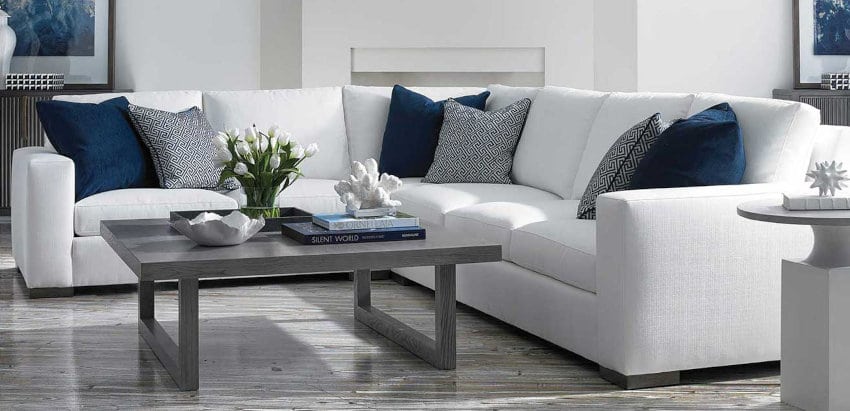
Typical product categories include indoor furniture, outdoor furniture, kitchen and home accessories, decorative items and storage solutions. These categories reflect the diversity of Vietnam’s manufacturing base, which combines industrial production with traditional craftsmanship.
Indoor furniture
Vietnam is strong in indoor furniture across:
- Dining tables and chairs
- Coffee tables, consoles, sideboards
- TV units and storage
- Bedroom casegoods (beds, nightstands, wardrobes)
- Upholstered sofas (depending on factory capability)
Indoor furniture can be built with solid wood, veneer, and engineered panels.
Outdoor furniture
Outdoor is one of Vietnam’s biggest strengths, especially for export to:
- US (patio sets, loungers, outdoor dining)
- EU (garden sets, modular outdoor sofas)
- Australia and other markets
Vietnam is particularly good at outdoor collections using: - Teak, acacia, eucalyptus (with proper treatment)
- Aluminium frames
- Wicker/PE rattan weaving
- Rope weave styles
- Outdoor cushions (fabric choices vary—Olefin, acrylic, polyester blends)
Commercial and hospitality furniture
Vietnam has serious capabilities in:
- Hotel casegoods and loose furniture
- Restaurant seating and tables
- Office furniture (depending on supplier)
- Custom project work for international contractors
This segment often requires stronger engineering, project management, and QC discipline.
Handicraft and mixed-material furniture
Vietnam is known for:
- Rattan/bamboo craftsmanship
- Woven furniture components
- Mixed-material artisanal details
These can command premium positioning—when quality and compliance are controlled.
Inside Vietnam Furniture Manufacturing
At MoveToAsia, we don’t just write about sourcing; we operate on the ground, inside factories, across production lines, and within real supplier environments.
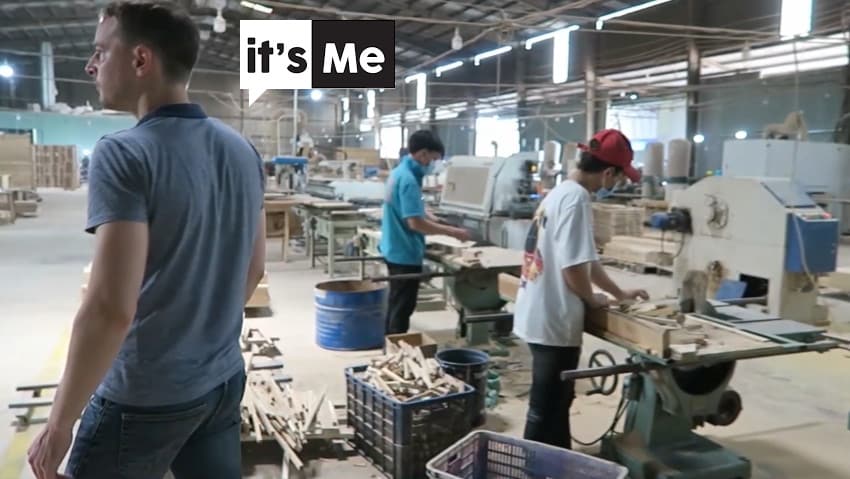
Over the years, we have documented our sourcing missions, factory visits, and industry observations through video. These insights are designed to give international buyers a realistic understanding of how furniture manufacturing works in Vietnam; from small workshops to export-driven industrial factories.
These videos help:
- visualize factory capabilities and production environments
- understand real supplier strengths and limitations
- identify common sourcing risks and opportunities
- discover materials, processes, and product categories
For buyers new to Vietnam, this is often the fastest way to understand the market beyond theory.
| Topic | Video |
|---|---|
| This video provides a practical overview on how we deploy factory visits in furniture manufacturing, based on a sourcing trip made for the French Television. It highlights the diversity of suppliers, from small workshops to larger export-oriented factories, and gives a clear picture of how production is structured across different categories. | |
| This sourcing tour covers multiple suppliers and materials, offering a broader perspective on Vietnam’s furniture ecosystem in central Vietnam. It showcases different types of factories and production setups, illustrating how sourcing often involves working across several suppliers rather than relying on a single manufacturer. | |
| This factory visit focuses on a real production environment, showing how furniture is manufactured in Vietnam at workshop or small-scale factory level. The video walks through key stages of our in-line quality control from production, including raw material inspection, assembly, and finishing processes. |
Contact us for your furniture project in Vietnam.
Vietnam’s Main Furniture Manufacturing Clusters
Sourcing success often starts with choosing the right region.
Southern Vietnam
Places such as Bình Dương, Đồng Nai, Long An or HCM City in the south are Vietnam’s densest export furniture ecosystem: large exporters, deep subcontractor networks, packaging vendors, and logistics access. It’s commonly used for:
- Indoor casegoods at scale (bedroom / living / dining)
- Mixed-material furniture (wood + metal)
- Project/hospitality supply chains (depending on supplier)
Central Vietnam
Central Vietnam is underrated on international sourcing maps, but it has strong relevance for outdoor furniture, particularly:
Quy Nhơn / Bình Định
Bình Định is widely known in Vietnam as a wood processing and furniture export center, with an active industry association presence.
In practice, Quy Nhơn’s industrial zones host multiple outdoor-focused manufacturers, including:
- Thinh Phu Furniture (Phú Tài IZ, Quy Nhơn)
- Viet My Binh Dinh (Long Mỹ IZ, Quy Nhơn)
- Phuong Nguyen Furniture (mentions Quy Nhơn / Bình Định footprint)
This cluster is especially relevant for:
- Outdoor wood ranges (acacia/eucalyptus, sometimes teak-positioned programs)
- Outdoor weaving ecosystems (wicker / rope, depending on supplier)
- Export container programs (validate QC and finishing systems)
Huế / Thừa Thiên Huế
Huế has manufacturers and wood-processing activity, including companies that explicitly mention export operations and industrial park presence.
This region can be relevant for certain wood product categories and selected furniture programs—supplier selection matters, because the export ecosystem density is generally lighter than the South.
Northern Vietnam
The North is often chosen when buyers need proximity to certain industrial supply chains, supporting manufacturing categories, or when a supplier base is already established there. It can be competitive for some furniture segments, but—as always—capability is supplier-specific.
Materials in Vietnamese Furniture
Furniture quality starts with material reality. Below is how buyers should think about materials in Vietnam.
Solid wood: acacia, rubberwood, and beyond
Acacia is common in Vietnam, especially for outdoor and some indoor applications. It can perform well when properly dried and treated, but it is not identical to teak or oak in durability or appearance.
Rubberwood is common for indoor furniture. It can be stable and cost-effective, but the result depends heavily on:
- Drying discipline
- Finger-joint quality (if used)
- Surface finishing and stain quality
Imported hardwoods (oak, ash, beech, walnut) may be used for higher-end lines. Costs and lead times can vary based on import supply and certification requirements.
Key risks with solid wood:
- Moisture content not controlled (warping, cracking)
- Poor jointing techniques
- Inconsistent color matching and grain selection
- Over-sanding and “burn marks” under stain
- Low-quality adhesives or poor glue curing
Engineered panels: plywood, MDF, HDF
Panels allow:
- More stable dimensions
- Modern clean lines
- Cost optimization
But quality varies significantly.
For cabinetry and casegoods, you need clarity on:
- Panel grade (including emission standards if needed)
- Veneer thickness and species
- Edge banding quality and glue process
- Surface finish system (laminate, veneer, lacquer)
Key risks with engineered panels:
- Low-grade panels swelling in humidity
- Poor edge sealing
- Weak screw-holding in cheap MDF
- Veneer cracking if too thin or poorly glued
- Formaldehyde/emissions compliance if required
Veneer and surface layers
Vietnam can do high-quality veneer work, but it’s process-sensitive:
- Veneer matching and bookmatching quality
- Pressing discipline
- Sanding discipline (avoid sanding through veneer)
- Clear coat system consistency
If you sell premium lines, demand:
- Veneer thickness minimums
- A-side/B-side definitions
- Sample boards and finish standards
Metal frames and components
Metal is used widely:
- Table legs and frames
- Outdoor frames
- Sofa frames (some designs)
- Accent furniture structures
Key risk: finishing consistency and rust control.
If powder coating is thin or surface prep is poor, corrosion occurs. If weld grinding is inconsistent, cosmetics suffer.
Outdoor-specific materials
Outdoor furniture requires its own material logic:
- Aluminium frames: great corrosion resistance when powder-coated properly
- Teak: premium outdoor wood, but sourcing and certification matter
- PE rattan / wicker weaving: quality varies by material grade and weaving tension
- Outdoor fabrics: performance depends on fiber, coating, and stitching discipline
- Foam and cushions: water resistance depends on foam type, liners, drainage design
Outdoor failures often come from “small details”: wrong foam density, weak stitching, poor zipper quality, no drainage holes, or coating that chips easily.
How Furniture Is Manufactured in Vietnam
Understanding the process is how you prevent defects before they happen.
Step 1: Product engineering and BOM confirmation
For repeatable production, factories need:
- Final drawings
- Clear dimensions and tolerances
- Material specifications
- Hardware list (hinges, slides, fasteners)
- Finish specifications (stain, sheen, coating thickness, paint system)
- Packaging specs (ISTA-style logic, drop test expectations if needed)
- Labeling and carton marks
If the buyer provides only pictures and no documentation, the factory will “interpret.” Interpretation is where quality drift begins.
Step 2: Prototyping and sampling
Sampling is not only about “does it look right.” It should validate:
- Joinery strength
- Stability (wobble, racking)
- Finish consistency
- Fabric and cushion performance
- Packability (dimensions + protection)
- Assembly process (if KD/flat-pack)
Tip: Require a “production-intent sample,” not a hand-made model.
A sample built with different tools and different workers than production can mislead you.
Step 3: Material preparation
This includes:
- Kiln drying
- Conditioning wood to target moisture content
- Sorting and grading boards
- Finger-joint preparation (if used)
- Veneer pressing (for panel parts)
Moisture control is one of the biggest hidden factors in furniture quality. If wood is not properly dried and conditioned, you will see:
- Warping
- Cracking
- Joint opening
- Veneer bubbling
Often weeks after shipment, when the product reaches a new climate.
Step 4: Cutting, shaping, machining
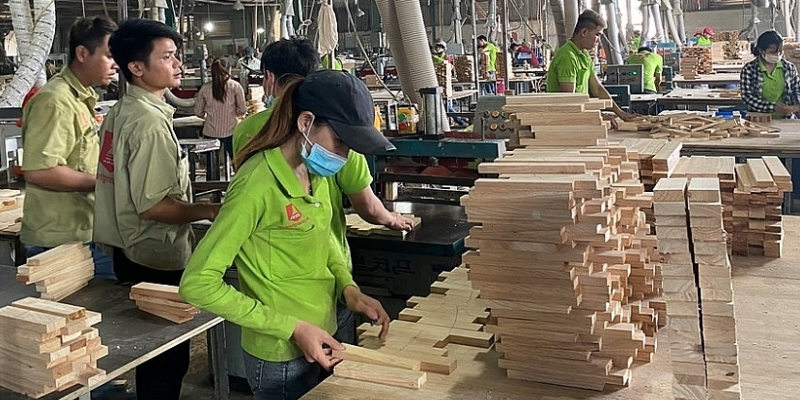
Factories use a mix of:
- CNC routers (panel and complex shapes)
- Table saws and cutting lines
- Lathes for turned legs
- Drilling and doweling machines
- Mortise/tenon machinery (in some factories)
Machining precision matters because errors compound during assembly.
Step 5: Assembly and glue-up
Assembly quality depends on:
- Joint design (dowel, mortise/tenon, finger joint, corner blocks, etc.)
- Glue selection and application
- Clamping time and pressure
- Worker training and jigs/fixtures
If glue-up is rushed, joints weaken. If jigs are inconsistent, alignment errors appear.
Step 6: Sanding
Sanding is labor-heavy and determines finish quality.
Poor sanding creates:
- swirl marks
- uneven stain absorption
- rounded edges where sharp lines are required
- “burn through” on veneer
If your brand is premium, sanding discipline is non-negotiable.
Step 7: Finishing (paint, stain, lacquer, oil)
Finishing systems vary. Common finishes include:
- NC lacquer
- PU systems
- Water-based systems (more eco-friendly, sometimes harder to control)
- Oils and natural finishes (require discipline)
For outdoor wood, finishing and treatment must match the climate exposure.
Finish success depends on:
- surface prep
- spray booth conditions
- cure times
- sanding between coats
- consistency of color matching
Step 8: Upholstery
Upholstery quality depends on:
- foam density and resilience
- fabric selection and performance
- sewing quality (seam strength, stitch consistency)
- frame construction
- cushion design (drainage, liners, zippers)
Outdoor upholstery introduces additional variables (UV, water, mold resistance).
Step 9: Quality control checkpoints (not just final inspection)
The best results come from staged QC:
- Incoming material checks
- In-process checks (machining, assembly alignment)
- Finish checkpoints (color boards, sheen checks)
- Final inspection (cosmetic + function)
- Packaging inspection (damage prevention)
Final inspection alone is too late—it only finds problems; it doesn’t prevent them.
Step 10: Packing and container loading
Packing is where many factories accidentally destroy good work.
Common issues:
- insufficient corner protection
- rubbing between parts causing scratches
- weak carton strength
- missing desiccants leading to mold
- poor palletization causing crush damage
Export furniture needs packing discipline, not “just wrapping.”
What Furniture Factories in Vietnam Look Like
Not all factories are the same. Vietnam’s furniture supply base includes:
Type A: Large export factories
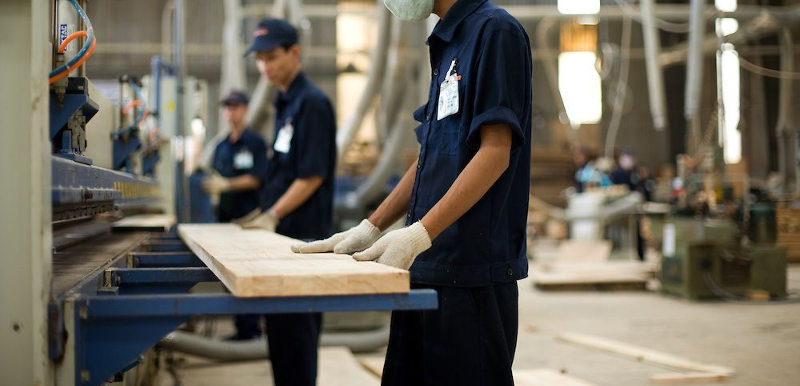
Pros:
- capacity and scalability
- structured QC systems
- export documentation experience
- often better machinery
Cons: - higher MOQs
- less flexible on small runs
- may be less interested in highly custom niche projects
Best for:
- retailers and brands with consistent volumes
- stable repeat orders
Type B: Medium OEM/ODM factories
Pros:
- good balance of flexibility and structure
- can work with product development
- often responsive to foreign buyers
Cons: - capability varies; you must validate finishing and QC
Best for: - brands with medium volumes
- projects requiring development and iteration
Type C: Small workshops and craft suppliers
Pros:
- flexibility and customization
- artisan skill in certain materials (rattan, bamboo, hand-woven details)
Cons: - quality consistency at scale can be difficult
- limited QC systems
Best for: - niche collections
- prototypes and low-volume artisanal lines
Type D: “Assemblers” using subcontractors
Some suppliers assemble finished products using parts from multiple subcontractors.
Pros:
- fast quoting
- can offer a wide catalog
Cons: - quality control is harder
- traceability is weaker
- finishing may vary
This model can work only if subcontractors are controlled and QC is strong.
How to choose:
Match your product’s risk profile to supplier maturity. Premium finish + repeatability needs a stronger supplier system than simple rustic furniture.
Want to start looking at Vietnam furniture ? Let’s talk.
Full Price Breakdown about Cost of Furniture in Vietnam
Furniture pricing is a layered structure. Different categories have different weightings (outdoor aluminium vs solid wood dining table vs upholstered sofa), but the framework below works broadly.
Raw materials (35–65%)
This includes:
- wood boards, panels, veneer
- metal tubes or sheets (for frames)
- upholstery fabric and foam (if applicable)
- hardware (hinges, slides, screws)
- outdoor materials (wicker, rope, outdoor fabrics)
Material cost varies massively by:
- wood species (acacia vs teak vs oak)
- panel grade and thickness
- fabric performance requirements
- hardware brand and quality
- sustainability requirements (FSC, controlled wood)
Reality:
If one supplier is dramatically cheaper, it may be using:
- lower grade panels
- lower density foam
- cheaper hardware
- thinner veneer
- less stable wood drying
The “cheap” cost often reappears as warranty issues later.
Labor and assembly (15–35%)
Furniture is labor-intensive:
- assembly
- sanding
- finishing prep
- upholstery sewing
Vietnam’s labor advantage shows strongly here, especially in: - multi-component assembly
- hand-sanding
- hand-weaving (wicker/rattan)
- packing
Labor cost rises when:
- designs require more handwork
- tolerances are tight
- finishing requires multiple coats and sanding cycles
- upholstery is complex (tufting, piping, special stitching)
Manufacturing overhead and machinery (5–15%)
Includes:
- factory overhead (rent, electricity)
- depreciation of machinery (CNC, spray booths)
- maintenance and tooling
- management and QA overhead
Factories with better machinery and systems may be more expensive—but often deliver more repeatably.
Finishing and coating (8–25%)
Finishing can be the difference between “cheap furniture” and “premium furniture.”
Costs include:
- paint/lacquer materials
- spray booth operation
- sanding between coats
- cure time (ties up production space)
- rework and touch-ups
Outdoor finishing can be costly because durability requires:
- better coatings
- better prep
- more controlled process
Packaging and export prep (4–12%)
Includes:
- cartons
- foam protection
- corner protectors
- polybags, sleeves
- pallets (if used)
- labeling and documentation
Packaging cost rises if:
- your product is high-gloss (needs scratch protection)
- you ship KD (more parts, more protection)
- you require retail-ready packaging
- you require drop-test grade packaging
6) Quality control and compliance (1–8%)
Cost depends on:
- inspection depth
- testing requirements (stability tests, load tests)
- compliance documentation
- traceability and batch records
Suppliers who include real QC cost may look more expensive—but often reduce your total cost of quality.
Logistics and container efficiency
Container optimization matters:
- bulky designs increase shipping cost per unit
- KD designs may reduce shipping cost but increase assembly complexity
- poor packing increases damage risk
Practical pricing advice:
When comparing quotes, don’t compare only FOB unit price. Compare:
- material assumptions
- finish system assumptions
- packaging assumptions
- QC assumptions
If you align assumptions, the “real price” becomes clear.
Quality Standards and Compliance
Many buyers ask for “ISO” and stop there. In furniture, what matters is:
Material compliance
- FSC or controlled wood (if required)
- emissions requirements for panels (market dependent)
- restricted substance compliance for finishes
- fabric performance standards (pilling, abrasion, UV, water resistance)
Product safety and performance
Depending on market, you may need:
- load testing
- stability testing
- edge and corner safety
- tip-over prevention for storage furniture
- flammability standards for upholstery (market dependent)
Process consistency
What prevents defects is:
- moisture control
- finishing discipline
- packaging discipline
These are not certificates; they are systems.
Best Furniture Manufacturers in Vietnam
The “best” depends on your product, price point, finish requirements, and MOQ. Nevertheless, we have mapped some well-known suppliers to reach out per product category :
Indoor furniture exporters (casegoods / living / dining / bedroom)
More aligned with indoor “collections” and larger export structures:
- AA Corporation – widely known for higher-end hospitality and interior projects, often with strong project management and execution. They are relevant when your focus is hotel/resort furniture packages and premium interior solutions rather than low-cost mass production.
- Kaiser Furniture (Kaiser 1 / Kaiser 2) – Kaiser has been referenced as an export-oriented furniture manufacturer with experience serving international buyers. This type of supplier can be suitable for buyers needing consistency, export documentation maturity, and manufacturing scale.
- Minh Duong Furniture – Vietnam has several large-scale exporters in the southern cluster that specialize in indoor and outdoor ranges for international markets. They can be excellent options for volume programs when your design is production-ready.
- Woodsland JSC – Woodsland is often mentioned in the context of wood furniture and sustainability positioning, with relevance for buyers who value certified wood and structured production systems.
- Scansia Pacific – Scansia Pacific has long export experience and is often associated with large-scale production for international markets. Companies in this tier tend to have better process control for repeat runs and structured manufacturing lines.
Kitchen cabinets
Cabinetry is its own world (standards, CARB/EPA for panels, door styles, hardware systems, packaging). Here are specific names that publicly position on cabinets/export:
- Vina Cabinetry – Kitchen cabinets & bath vanities; claims KCMA standard and CARB-2 compliance; exports to America.
- VIC Cabinet (Viccabinet.com) – Positions as an export cabinet manufacturer; provides Vietnam + HCMC office presence in their content.
- An Cường (An Cuong Wood Working) – Major wood-working materials / interior solutions player often used in Vietnam’s cabinetry ecosystem (materials + systems + network).
Outdoor teak specialists
These are “teak/outdoor wood” positioned manufacturers (good fit for outdoor wood collections and patio ranges):
- Lam Viet JSC (Bình Dương) – Teak-focused indoor/outdoor positioning, sustainability messaging.
- Hiep Long Furniture – Teak product positioning with kiln-dried lumber and plantation teak sourcing claims.
- Thinh Phu Furniture (Quy Nhơn, Bình Định) – Outdoor wood furniture manufacturer; factory located in Phú Tài Industrial Zone (Quy Nhơn).
- Phuong Nguyen Furniture (Bình Định / Quy Nhơn) – Outdoor & indoor furniture; mentions certified eucalyptus & acacia; exports to US/EU.
- Binh Phu Furniture – Outdoor wood furniture manufacturer positioning.
Note: “Teak” in Vietnam supply chains is sometimes imported teak or “teak-style” ranges depending on factory positioning—always validate wood species, origin, and certification in the BOM and traceability docs.
Outdoor wicker / poly rattan / rope
These are positioned specifically around wicker/rattan/rope outdoor living:
- ATC Furniture (Outdoor rattan/wicker) – Positions as outdoor patio rattan/wicker/cane manufacturer and wholesaler.
- Niemen Tehtaat Vietnam – Outdoor all-weather wicker & aluminum; also wood/rope combinations; customization oriented.
- Viet Products (VietProducts.vn) – Poly rattan, rope, upholstery; “home & garden furniture” exporter positioning.
- Viet My Binh Dinh (Quy Nhơn, Bình Định) – Outdoor wicker + wooden furniture; mentions 2 factories in Long Mỹ IZ (Quy Nhơn) and large capacity claims.
Disclaimer: The companies listed above are “notable manufacturers publicly positioned in furniture/cabinet production or export,” but they are not a guarantee of fit. The right supplier depends on your product (indoor vs outdoor), materials (wood/metal/wicker), target market compliance (US/EU), MOQ, finishing requirements, and QC standards. Always validate capabilities through sampling, audits, and production control.
If you cannot reach factories directly, need a verified shortlist, or want on-the-ground support for audit, product development, sampling or quality control, our team can help you validate suppliers and manage production in Vietnam end-to-end.
Common Failure Points When Sourcing Furniture in Vietnam
Failure 1: “Great sample, inconsistent production”
Cause: sample made by best workers or different process.
Fix: require production-intent sample, confirm process, run pilot batch.
Failure 2: Warping, cracking, or joint opening after shipment
Cause: moisture content not controlled.
Fix: moisture specs + checks, proper kiln drying, conditioning, packaging humidity control.
Failure 3: Finish mismatch and color inconsistency
Cause: poor standardization; lack of master boards.
Fix: approve finish master board, define sheen, require batch comparison checks.
Failure 4: Packaging damage and scratches
Cause: weak packing, friction, wrong carton strength.
Fix: packaging spec, drop-test logic, separators, corner protection, packing QC.
Failure 5: Hardware and assembly issues
Cause: wrong hinges/slides, weak screw-holding, missing pre-drilling discipline.
Fix: define hardware brand/spec, require assembly tests, control panel grade.
Failure 6: Communication gaps and assumptions
Cause: unclear specs, language/interpretation issues.
Fix: structured documentation, annotated drawings, clear CTQ list, change control.
A Practical Sourcing Playbook for Furniture in Vietnam
If you want results without months of rework, this is the highest-success approach:
Step 1: Start with clear product positioning
- Target price point
- Target market (US/EU/AU)
- Target style and materials
- Compliance requirements
This influences factory shortlist dramatically.
Step 2: Shortlist 3–5 factories
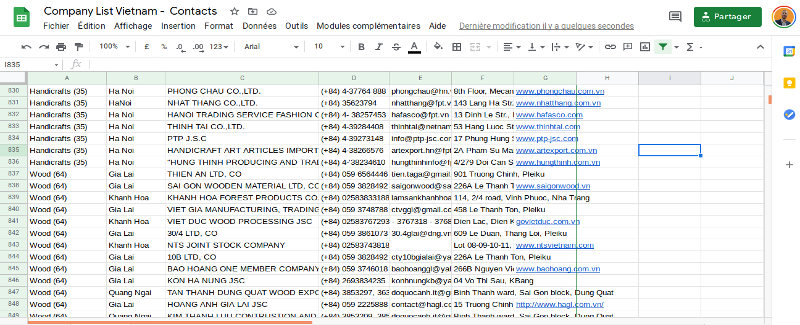
Shortlist by:
- product category specialization (indoor vs outdoor vs hospitality)
- material specialization (solid wood vs veneer vs aluminium vs wicker)
- MOQ fit and export experience
Too many factories = slow cycle, mixed quality comparisons, confusion.
Step 3: Run a structured sampling phase
Sampling should validate:
- construction quality
- finishing system
- packaging readiness
- assembly process (if KD)
Include a checklist and require the factory to confirm specs in writing.
Step 4: Pilot batch before scaling
Pilot batch reveals repeatability issues early.
It’s cheaper to fix at 50–200 pcs than at 1–2 containers.
Step 5: Implement staged QC
- Pre-production check (materials, first-off sample)
- During production check (assembly + finish)
- Pre-shipment inspection (AQL or custom)
- Container loading check (packing + count + damage prevention)
Step 6: Lock a supplier performance routine
- defects rate tracking
- rework loop
- corrective actions
- cost improvement plan
That’s how sourcing becomes stable and scalable.
Q&A about Furniture Manufacturing & Sourcing in Vietnam
Is Vietnam a good place to manufacture furniture?
Yes. Vietnam has a mature export ecosystem and strong capability in indoor and outdoor furniture. The key is selecting factories aligned with your product type and managing quality control properly.
What are typical MOQs?
MOQ depends on product complexity and supplier type. Large exporters often require higher MOQs; medium OEMs can be flexible; workshops can do small runs but may struggle at scale.
Vietnam vs China for furniture manufacturing?
China has massive capacity and deep supply chains. Vietnam is competitive and often strong in labor-heavy assembly, outdoor weaving, and some wood categories. Many brands use a dual strategy.
What are the most common defects in furniture production?
Finish inconsistency, scratches, warping/cracking (wood moisture), loose joints, hardware issues, and packaging damage are the most common.
Can Vietnam make high-end furniture?
Yes, but you must select the right factories and enforce finishing discipline and process control.
How do I ensure wood quality?
Define moisture content requirements, validate kiln drying and conditioning, and use staged QC checks. Moisture is a major hidden factor.
What are the best regions in Vietnam for furniture?
The southern cluster (Binh Duong, Dong Nai, Long An) is the densest and most export-oriented. Other regions can work depending on supplier fit.
Should I use a sourcing agent or go direct?
Going direct can work if you have strong technical documentation and can manage QC and supplier follow-up. Many buyers use local support to speed up iteration and prevent costly mistakes.
How long does sampling take?
Sampling depends on complexity and seasonality. Plan for at least one iteration cycle; outdoor collections and complex finishes typically take longer.
What matters most for long-term success?
Repeatability. The best sourcing outcomes come from stable suppliers, structured sampling, pilot batches, and consistent QC—not from chasing the cheapest quote.
How We Can Support Your Furniture Project in Vietnam
Vietnam’s furniture manufacturing landscape is highly heterogeneous. Buyers will encounter both:
- large-scale export factories with structured production systems
- smaller workshops with strong craftsmanship but limited scalability
Factory visits typically reveal:
- varying levels of automation
- different quality control standards
- differences in material sourcing and finishing
Furniture sourcing succeeds when you treat it as an execution system, not a one-time purchase. The most reliable approach in Vietnam is:
- Shortlist a few suppliers based on category fit
- Validate with on-site audit
- Confirm materials and finishing systems in detail
- Run a pilot batch
- Implement staged QC and packaging checks
- Build supplier performance discipline
If you’re struggling with supplier outreach, unclear answers, inconsistent samples, or quality risk, our local team can support with:
- supplier shortlisting and validation
- factory audits and capability checks
- sampling coordination and follow-up
- production management and QC inspections
- packaging review and container loading supervision
If you want, share your product type (indoor/outdoor), target price point, and estimated volumes—then we can recommend the best supplier profile and a shortlist strategy in Vietnam.
Looking for a team to manage your Vietnam furniture production from A to Z ? Contact us today.
Ready to go further? Browse our complete collection of 2026 guides on furniture manufacturing in Vietnam, including sourcing strategies, product-specific insights, supplier selection, quality control, and production management.