


Setting Up a Business in Cambodia
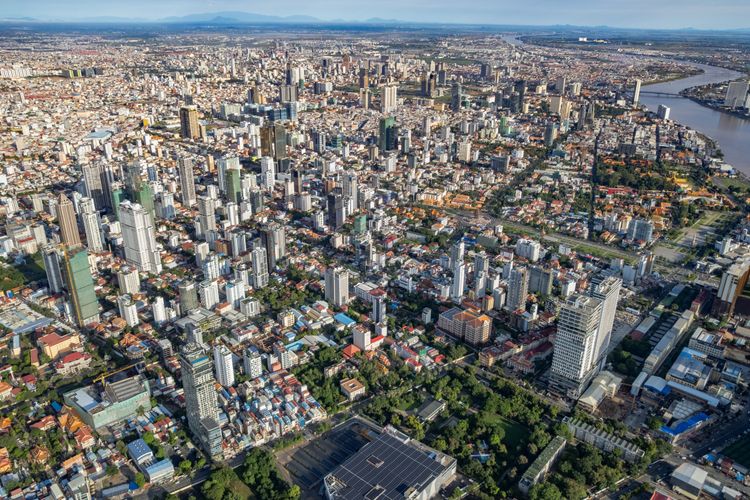
Foreign investors can establish different types of legal presence in Cambodia depending on their activity, ownership structure and long-term objectives.
Common options include:
- Private limited company
- Branch office
- Representative office
- Partnership
- Investment project structure
- Local subsidiary of a foreign company
For most foreign SMEs and operating companies, the private limited company is usually the most practical structure. It allows the company to invoice clients, sign contracts, hire employees, open a bank account, lease premises and register with the tax authorities.
A representative office may be useful for market research, liaison or promotional activities, but it is generally not designed for full commercial operations. A branch office may be relevant for certain foreign companies, but it can create additional tax and liability considerations.
The right structure depends on what the company wants to do in Cambodia.
A sourcing office, trading company, consulting business, logistics operator, manufacturing project and hospitality business may all face different requirements.
Before setting up, foreign investors should review:
- Permitted business activities
- Foreign ownership rules
- Company structure
- Business scope
- Capital requirements
- Tax registration
- Banking procedures
- Sector-specific licences
- Employment and work permit requirements
- Investment incentive eligibility
- Operational needs
Company registration should therefore be connected to the company’s real business model. A generic setup can create problems later, especially when opening a bank account, applying for licences, hiring staff, importing goods or signing commercial contracts.
Company Registration Is Only the First Step
The registration process in Cambodia is relatively accessible compared with some neighboring countries. However, incorporation alone does not mean the company is fully ready to operate.
After company registration, businesses usually need to complete tax registration, obtain a patent tax certificate, open a corporate bank account, set up accounting procedures, prepare employment documentation and check whether additional licences are required.
Some sectors require specific approvals before operations can begin. This may apply to activities such as finance, insurance, real estate development, construction, education, healthcare, food and beverage, logistics, tourism, telecommunications, import-export and regulated consumer products.
Foreign investors should not assume that a company certificate is enough. In many cases, the real challenge starts after incorporation, when the company must become operational, compliant and bankable.
Understanding Cambodia’s Business Environment
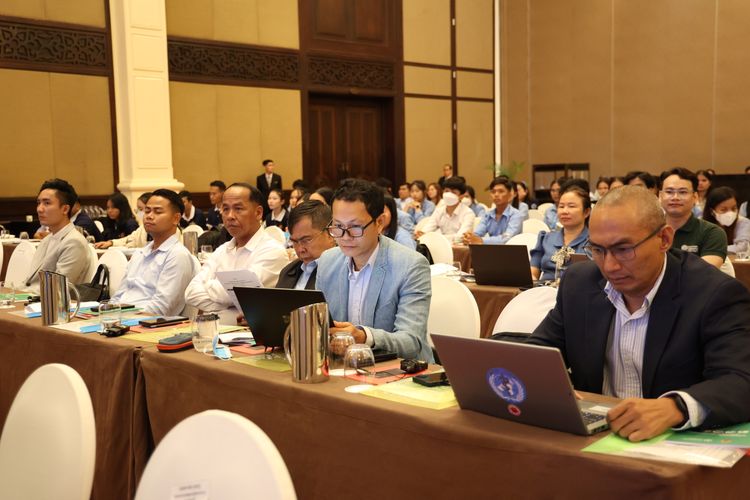
Cambodia offers opportunities, but it is not always an easy market to navigate. Foreign companies may face challenges related to:
- Limited public business information
- Local partner selection
- Supplier qualification
- Regulatory interpretation
- Banking documentation
- Tax compliance
- Informal business practices
- Language and communication
- Contract enforcement
- Workforce training
- Quality control and documentation
At the same time, Cambodia can be a pragmatic and flexible business environment. Relationships, trust and local presence matter. Companies that succeed are usually those that combine international standards with practical local execution.
This is especially important for SMEs and foreign companies entering the market for the first time. Desk research is useful, but it is rarely enough. Local validation, direct meetings, partner checks, factory visits and operational follow-up are often necessary to understand what is realistic.
Border Areas
Locations close to Vietnam or Thailand can be relevant for cross-border trade, logistics, sourcing and regional supply chain coordination. These areas may support companies that need access to neighboring markets or regional transport routes.
However, each location should be assessed carefully based on customs procedures, infrastructure, labour availability and practical operating conditions.
Industrial Zones and Site Selection

For manufacturing investors, site selection is one of the most important early decisions.
Cambodia’s industrial and special economic zones differ significantly in infrastructure, cost, labour availability, logistics access and administrative support. A good location can reduce operational risk, while a poor location can create long-term issues in recruitment, transport, utilities and supplier coordination.
Before choosing a site, companies should review:
- Land or factory rental costs
- Electricity and water reliability
- Road and port access
- Customs procedures
- Labour availability
- Distance to suppliers and customers
- Expansion capacity
- Waste and environmental requirements
- Zone management quality
- Incentive eligibility
- Proximity to logistics providers
For export-oriented manufacturing, logistics routes are particularly important. Access to Sihanoukville port, Phnom Penh logistics hubs, the Vietnam border or the Thailand border can directly influence lead times and costs.
For agro-processing projects, location should be linked to raw material sourcing, farmer networks, storage, water access, cold chain needs and export channels.
Market Entry and Business Development
Many foreign companies begin their Cambodia journey with market validation before committing significant capital.
This may include:
- Market research
- Competitor mapping
- Local stakeholder identification
- Partner search
- Distributor selection
- Supplier mapping
- Factory visits
- Business delegations
- Customer meetings
- Regulatory checks
A structured market-entry approach helps companies avoid relying only on assumptions. In Cambodia, direct engagement with local companies, associations, distributors, suppliers and decision-makers is often essential.
For foreign SMEs, this first phase can determine whether the company should register locally, work through partners, test distribution, source from Cambodia or explore investment opportunities.
Investing in Cambodia

Cambodia’s investment opportunities are broader than garments and tourism. The country is working to diversify its economy and move toward higher-value activities.
Investors are increasingly looking at opportunities in:
- Garments and footwear
- Travel goods
- Bicycles and parts
- Agro-processing
- Food processing
- Furniture and wood-related products
- Logistics and warehousing
- Tourism and hospitality
- Light manufacturing
- Packaging
- Digital services
- Education and vocational training
- Green energy
- Infrastructure-related services
This creates opportunities not only for financial investors, but also for companies that can bring technology, management systems, operational know-how, quality control, export access and professional services.
Qualified Investment Projects and Incentives
For larger projects, especially in manufacturing, agro-processing, logistics, infrastructure, tourism, digital industries, green energy or special economic zones, investors should assess whether the project can qualify as a Qualified Investment Project.
QIP status can provide incentives such as tax on income exemptions, customs duty exemptions, VAT-related benefits and additional deductions depending on the project and approval conditions.
However, QIP status should not be treated only as a tax benefit. It is also a structuring exercise. The investor must clearly define the project, investment capital, location, production plan, machinery, employment, import needs and expected outputs.
For small consulting or trading companies, QIP may not be necessary. For manufacturing, agro-processing, logistics or export-oriented projects, it can be strategically important.
High-Potential Business Sectors in Cambodia
Garments, Footwear and Travel Goods
This remains Cambodia’s strongest export manufacturing sector. It is relevant for apparel, workwear, uniforms, shoes, bags, backpacks, luggage and soft goods.
Buyers and investors should carefully assess compliance, material sourcing, factory capacity, buyer references, quality systems and lead times.
Agro-Processing and Food Products
Cambodia has strong agricultural resources, but still needs more value-added processing. Opportunities exist in rice, cashew nuts, pepper, cassava, fruits, rubber, food ingredients, packaging, certification and export development.
Foreign companies can bring technology, quality systems, branding and market access.
Bicycles and Components
Cambodia has developed a relevant position in bicycle assembly and exports, especially toward Europe. The sector can be interesting for OEM programs and supply chain diversification, but rules of origin and component sourcing should be checked carefully.
Furniture, Wood, Veneer and Plywood
Cambodia can be relevant for selected furniture and wood-related products, but legality, traceability and certification must be verified carefully, especially for European and North American markets.
Logistics and Supply Chain
As Cambodia develops its manufacturing and trade flows, demand for logistics, warehousing, freight forwarding, customs support and cold chain services is increasing.
This sector is particularly relevant for companies that can bring reliability, systems and regional coordination.
Tourism, Hospitality and Services
Tourism remains a major sector, especially around Siem Reap, Phnom Penh and coastal destinations. Opportunities exist in hospitality, travel services, restaurant concepts, tourism technology, wellness and hotel supplies.
Investors should carefully assess demand cycles, location, tourist flows and competition.
Common Challenges When Doing Business in Cambodia

Foreign companies should prepare for several practical challenges.
Limited Supplier Depth
In many sectors, Cambodia has fewer suppliers than Vietnam or China. Companies may have limited options and less room for supplier comparison.
Variable Capabilities
The gap between suppliers, distributors and service providers can be significant. Some are export-ready and professional, while others may lack documentation, systems or responsiveness.
Banking and Compliance
Corporate banking can require detailed documentation. Companies should be ready to explain their business model, ownership structure, source of funds and transaction flows.
Tax and Accounting
Tax compliance must be handled from the beginning. Poor bookkeeping can create serious problems later, especially for companies with cross-border payments, service fees, commissions or import-export activity.
Workforce and Training
Cambodia has a young workforce, but technical and managerial skills may require development. Companies should budget for training and supervision.
Governance and Transparency
Foreign companies should avoid informal arrangements. Contracts, invoices, payments, ownership structures and employment relationships should be documented clearly.
How MoveToAsia Supports Foreign Companies in Cambodia
MoveToAsia supports foreign companies looking to source, enter and grow across Southeast Asia, with strong operational experience from Vietnam and regional projects.
For Cambodia, our role is to help companies evaluate whether the country is relevant for their project, identify the right partners, reduce uncertainty and move forward with practical local support.
We can support companies with:
- Market-entry assessment
- Company setup coordination
- Partner identification
- Distributor search
- Supplier mapping
- Factory qualification
- Business development support
- Industrial site selection
- Factory visits and audits
- Local coordination
- Quality control and production follow-up
- Regional comparison with Vietnam, Thailand or other ASEAN markets
Our approach combines business understanding with on-the-ground execution. The objective is not only to provide information, but to help companies make practical decisions and reduce risk.
Considering Cambodia for Business or Investment?
Whether you are evaluating Cambodia as a sourcing destination, a manufacturing base, a market-entry opportunity or a long-term investment location, the first step is to understand the landscape clearly.
Cambodia can offer real opportunities, but success depends on choosing the right sector, validating the right partners and structuring operations properly from the beginning.
Contact MoveToAsia to discuss your Cambodia project and identify the most practical way to move forward.