


Laos cannot match the scale, supplier depth or domestic demand of Thailand or Vietnam. Its manufacturing proposition is narrower: a land-linked base between China and mainland Southeast Asia for selected processing, import substitution and export production where customers, routes and incentives are defined in advance.
Rail, road and dry-port links have strengthened that proposition. The economy expanded by an estimated 4.8% in 2025, supported partly by transport and exports of electrical equipment, although the World Bank expects growth to moderate to 3.8% in 2026. Persistent public-debt, foreign-exchange, labour and productivity constraints mean manufacturing in Laos should be assessed project by project.
The key question is whether a product can secure inputs, trained workers, reliable utilities, compliant market access and competitive delivered cost. This guide evaluates the strongest opportunities, regulations, incentives and risks.
Is Manufacturing in Laos Worth Investing In?
The answer is selectively yes. Laos can be attractive when a project benefits from nearby raw materials, a defined cross-border corridor, import substitution or a committed regional buyer. It is weaker for projects requiring a deep supplier ecosystem, abundant trained labour, great local demand or frictionless foreign-currency access.
WTO data show 2023 merchandise exports of about US$6.04 billion and imports of US$7.19 billion. China, Vietnam and Thailand absorbed 71.2% of exports, while Thailand and China supplied 79.7% of imports. Minerals dominate, but linerboard, wood pulp, sugar and beverages also rank among leading exports, supporting niches in processing and packaging while revealing concentration risk.
| Investment factor | What supports the case | Investor implication |
| Regional position | Five neighbours, rail and Mekong corridors. | Model a specific route, customs process and last-mile cost. |
| Industrial base | Electrical equipment, paper, pulp, food and beverage exports; high import dependence. | Prioritise processing, import substitution and buyer-backed assembly. |
| Investment framework | Foreign investment plus sector- and zone-based incentives. | Secure written eligibility and conditions before approval. |
| Main constraints | Skills, FX, fuel, administration and supplier depth. | Use conservative productivity, staged capex and working-capital buffers. |
Why Laos Can Work as a Manufacturing Location
A regional corridor rather than a stand-alone consumer market
Laos’s strategic value comes from adjacency. The China-Laos railway connects Vientiane to China, while road corridors link factories to Thailand and Vietnamese ports. Savan-Seno SEZ sits on the East-West Economic Corridor near the Second Lao-Thai Friendship Bridge, and the government reports 12 special economic zones nationwide.
Laos participates in ASEAN and the Regional Comprehensive Economic Partnership. RCEP covers tariffs, customs and rules of origin across ASEAN, China, Japan, Korea, Australia and New Zealand. Preferential access still depends on the product’s tariff schedule, origin rule and documentation, so investors need an HS-code-level analysis.
Inputs that can support local value addition
Agriculture, forestry-based industries, mining and hydropower provide inputs that can support more local value addition. Viable steps include cleaning, grading, milling, drying, extracting, packaging, paper conversion, feed production and equipment assembly. The objective should be measurable value creation, not relocation solely to obtain incentives.
Hydropower can support industry, but investors must verify reliability, voltage quality, connection cost and tariffs at the exact site. Backup systems and power-quality equipment may still be required.
Special economic zones as an entry platform
SEZs can provide serviced land, factory space, customs support and a defined administrative interface, but utilities, occupancy, labour access and management quality vary. Site visits should test power, water, wastewater, telecoms, fire protection, worker transport, customs and expansion capacity.
The Most Credible Manufacturing Opportunities
Agro-processing, food and beverages
Agro-processing is a clear opportunity because it connects domestic production with recurring local and regional demand. Cassava, sugar, coffee, rice, fruit and livestock can support drying, milling, feed, beverages, cold storage and packaging. Cassava, sugar and non-alcoholic beverages already appear among significant exports.
The strongest model is contract-based: traceable supply, defined quality, validated seasonal volumes and an anchor buyer. A modular plant with contracted feedstock is safer than large capacity based only on national crop estimates.
Paper, packaging and wood-based processing
Linerboard and dissolving wood pulp are established exports, while local manufacturers need cartons, labels, pallets and protective materials. This supports paper conversion and industrial packaging linked to food, beverages, garments and logistics.
Wood-based production requires legal-harvest, land-rights and chain-of-custody checks. Projects serving multinational or developed-market buyers should build traceability and certification into the operating model.
Electrical equipment, components and light assembly
Electrical-equipment exports contributed to 2025 growth, showing that Laos can join selected assembly and component chains (World Bank, 2026a). Potential niches include cable assemblies, switches, appliance components and equipment for energy, agriculture and construction, especially where a regional supplier transfers a defined process for an existing customer.
Supplier depth remains limited. Many inputs, tools and spare parts may need importing, while engineering and quality talent can be scarce. Models should include inventory buffers, maintenance capability and a realistic localisation schedule.
Import-substitution and industrial inputs
High dependence on imports from Thailand and China creates room for animal feed, selected agricultural inputs, construction materials, industrial consumables, household essentials and packaging. The 2024 law provides customs incentives for approved inputs used in export and import-substitution manufacturing.
Import substitution still requires a full landed-cost comparison. Raw materials, batch size, standards, distribution and working capital may outweigh labour savings. The best projects combine local demand with an export option.
Garments, footwear and selected labour-intensive production
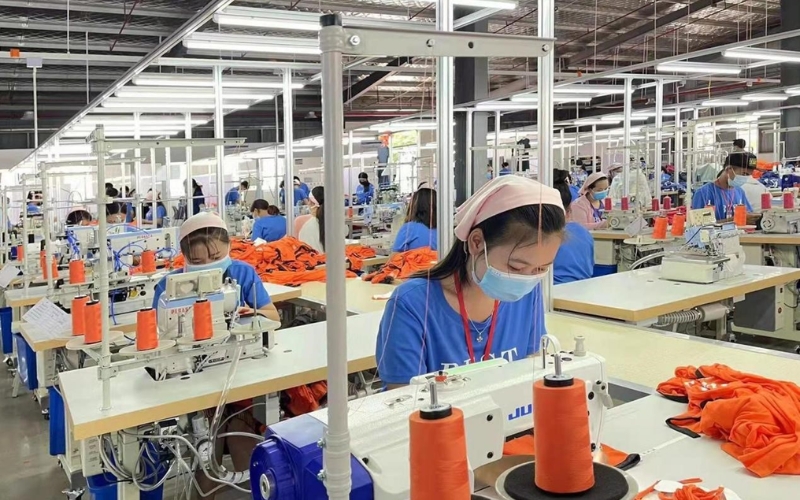
Laos has garment-export experience, but labour availability is now a major constraint and the country is scheduled to graduate from least developed country status on 24 November 2026. Market-specific tariff treatment may change after transition periods, so new projects require confirmed buyers, productivity evidence and post-graduation duty scenarios.
| Subsector | Demand logic | Preferred entry model | Material risks |
| Agro-processing | Local inputs and regional food demand. | Contracted supply, modular plant, anchor buyer. | Seasonality, quality, cold chain, food safety. |
| Paper and packaging | Existing exports and packaging demand. | Conversion plant or customer-backed partnership. | Traceability, water, certification, imported chemicals. |
| Electrical assembly | Existing export activity and regional chains. | Transferred line, contract manufacturing or JV. | Skills, imported inputs, supplier depth, quality. |
| Import substitutes | High dependence on imported goods. | Leased factory and phased localisation. | Small market, raw-material cost, standards. |
| Garments and footwear | Existing capabilities and selected buyers. | Buyer-backed production. | Labour, productivity, compliance, LDC graduation. |
Where to Locate and How to Enter
Location selection should start with the supply chain. A Thailand-facing plant may value bridge access more than rail; a China-facing processor may favour the northern corridor. Export plants should compare routes to Thai and Vietnamese ports, including border time, trans-shipment and container availability.
| Location screen | Potential fit | Questions to validate |
| Vientiane and nearby SEZs | Electricals, packaging, consumer goods and distribution-linked assembly. | Utilities, Thai/rail access, labour and occupancy cost. |
| Savannakhet / Savan-Seno | Corridor production, parts, garments and packaging. | Route 9, bridge/customs, port access and workers. |
| Champasak / Pakse | Agro-processing, food, beverages and light manufacturing. | Feedstock, roads, cold chain and utilities. |
| Northern / Boten corridor | China-facing processing and logistics-linked production. | Rail economics, border rules, buyers and labour. |
Entry structures
The amended law recognises wholly foreign-owned enterprises, joint ventures and contractual cooperation. First-time entrants should validate sales or sourcing, then use contract manufacturing or a leased facility before a larger greenfield commitment. Joint ventures can add local knowledge but do not replace ownership, financial and compliance due diligence.
Foreign manufacturers should retain control of specifications, quality systems, customer contracts, intellectual property, treasury approvals and audit rights, particularly where a partner manages licensing or customs.
Regulations, Licences and Investment Incentives

Registration and approval route
The regulatory path depends on the activity. Non-controlled businesses register with industry and commerce authorities and obtain sector licences. Controlled businesses also need an investment application and investment licence through the central or provincial IPMC office. Concession projects require government approval, feasibility work, environmental assessment and a concession or development agreement.
Projects may also require construction, land-use, factory, environmental, fire-safety, tax, customs, product and labour approvals. Investors should create a permit matrix identifying the authority, legal basis, document owner and critical-path timing.
Tax and customs incentives under the 2024 law
The 2024 law combines sector- and zone-based incentives. Zone 1 projects may receive up to 10 years of profit-tax exemption and Zone 2 projects up to four years, with additional periods for selected sectors. It also allows duty exemptions for qualifying fixed-asset materials and manufacturing machinery, and for approved inputs used in exports or import substitutes.
These are maximum benefits, not universal entitlements. Eligibility depends on sector, zone, project approval and implementing rules. Models should include a no-incentive base case and a confirmed case supported by written approval, while accounting for SEZ fees and lease terms.
Tax, foreign exchange and profit repatriation
The standard profit-tax rate is generally 20% outside exemptions. The law permits transfer of capital, profits and lawful income abroad through Lao banks after obligations are settled, but treasury planning must account for foreign-exchange availability, documentation and central-bank requirements. The IMF notes measures affecting export proceeds that can add transfer cost and complexity.
Labour, environment and operating obligations
Investors must maintain accounts and reports, comply with labour and environmental rules, and support Lao employment, training and technology transfer. Wastewater, emissions, hazardous materials, worker safety, community impacts and land access can affect licences, customer audits and financing.
Risks That Must Be Priced Into Feasibility
Macroeconomic and foreign-exchange volatility
Laos entered 2026 with stronger reserves and a more stable exchange rate, but remains vulnerable. A fuel shock nearly doubled petrol and diesel prices at its peak; prices were still about 38%–40% above pre-shock levels in early June, and April inflation approached 10%. High debt service and the IMF’s assessment that public debt is unsustainable reinforce the need to stress-test fuel, freight, inputs, finance and currency conversion.
Labour availability and productivity
The latest Enterprise Survey identifies lack of workers as the largest private-sector constraint, reflecting outmigration and weak real wages. Investors should map the commuting catchment, wage expectations, supervisor supply, turnover and training time; unit labour cost matters more than wage per employee.
Logistics beyond the main corridor
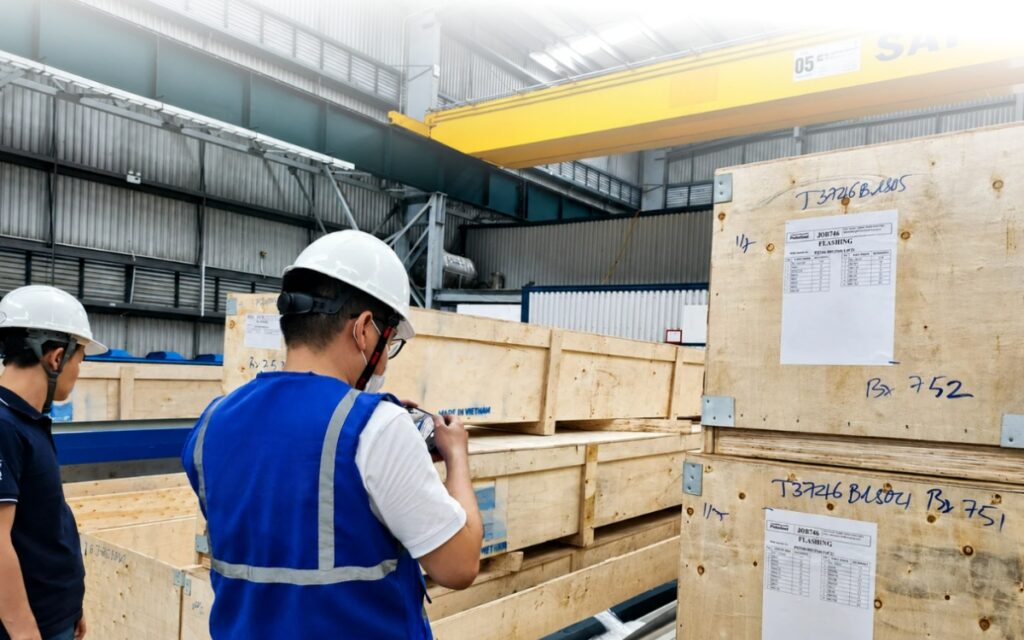
Rail and cross-border roads improve access, but first- and last-mile performance remains critical. Seasonal roads, border processes, trans-shipment, container availability, and customs documentation can erase geographic advantages. Use several forwarder quotes and downside route scenarios.
Administrative implementation and partner risk
The framework is increasingly investment-oriented, yet implementation may vary by sector and province. Do not rely on verbal assurances about land, incentives, licences or import privileges. Document material rights and screen partners, brokers, distributors and suppliers for ownership, financial, tax and reputation risk.
Market concentration and preference changes
Trade is concentrated in China, Thailand and Vietnam, increasing exposure to policy or border changes in a few markets. LDC graduation adds uncertainty for preference-sensitive exports. Multiple customers and standards can reduce dependence on one buyer or tariff regime.
A Practical Market-Entry Roadmap
1. Define the product and customer case. Identify the HS code, specifications, annual volume, target price, delivery terms and named buyers. A manufacturing thesis without confirmed demand is not yet an investment case.
2. Build the full landed-cost model. Compare production in Laos with imports from Thailand, China or Vietnam, including raw materials, utilities, labour productivity, depreciation, finance, border costs, taxes, incentives and inventory.
3. Screen sites against the supply chain. Compare at least two provinces or SEZs using verified data on utilities, transport, labour, lease terms, customs, environmental capacity and expansion rights.
4. Validate partners and suppliers. Audit technical capability, ownership, financial condition, compliance systems, land rights, sourcing and references. Separate relationship value from operational evidence.
5. Confirm approvals and incentives in writing. Prepare a permit matrix and obtain project-specific confirmation of tax holidays, customs exemptions, foreign-worker permissions and profit-repatriation procedures.
6. Pilot before scaling. Use customer trials, contract production, a leased line or a modular first phase to validate yields, quality, labour productivity, logistics and working capital before committing irreversible capital.
Conclusion: How MTA Can Support Manufacturing Market Entry in Laos
Manufacturing in Laos is investable when a defined raw material, corridor or import gap connects to a committed customer and a controlled operating model. Agro-processing, packaging, selected electrical assembly, industrial inputs and buyer-backed light manufacturing offer credible pathways, but none should be evaluated on incentives or wages alone.
The decisive work precedes construction: product-level sizing, landed-cost benchmarking, route testing, site and utility validation, due diligence, licensing, incentive confirmation and downside modelling. A staged entry turns assumptions into evidence before capital becomes difficult to reverse.
MoveToAsia supports foreign investors with Laos market research, customer and distributor validation, supplier mapping, site and SEZ comparison, partner due diligence, regulatory and incentive analysis, logistics assessment and feasibility. The objective is to identify where Laos offers a competitive, resilient and compliant manufacturing case—and where another Southeast Asian location is stronger.