


This guide examines the Philippines’ logistics industry from an investor’s perspective, covering market fundamentals, high-growth segments, market entry considerations, regulatory incentives, and the practical risks investors should evaluate before expanding into the market.
Philippines Logistics Market Overview 2026
The Philippine logistics market is entering a new growth phase as rising domestic consumption, digital commerce, and infrastructure development increase demand for more efficient supply chains. While logistics has traditionally been viewed as a supporting industry, it is increasingly becoming a strategic investment sector that underpins manufacturing, retail, exports, and the broader digital economy.
A growing market supported by long-term demand
According to IMARC Group, the Philippines logistics market reached approximately US$31.1 billion in 2025 and is projected to grow to around US$42.1 billion by 2034. Although market estimates vary depending on whether reports measure the entire logistics ecosystem or only freight and transportation services, all major forecasts point to sustained long-term expansion.
For investors, this indicates that growth is being driven by structural demand rather than short-term market cycles, supporting investment across logistics infrastructure, warehousing, transportation, and technology-enabled supply chain services.
The digital economy is reshaping logistics demand.
One of the strongest growth drivers is the rapid expansion of the Philippine digital economy. According to the Philippine Statistics Authority (PSA), the digital economy generated approximately PHP 2.74 trillion in gross value added in 2025, representing 9.8% of national GDP.
This growth is creating a direct need for fulfillment centers, advanced warehousing, inventory management, and last-mile delivery services as businesses respond to the more demanding e-commerce transactional and omnichannel retail activities. Integrated supply chain solutions, as opposed to transportation, are more the focus of opportunity for logistics investors.
Government support strengthens investor confidence.
The Philippine government aims to make a long-lasting contribution to the development of logistics. The country’s sovereign wealth fund projected logistics as one of the primary investment sectors in 2026, as per the government’s vision to optimize supply chains, ease transportation bottlenecks, and strengthen national systems.
This shows a beneficial investment policy for private investors. The public investment improves logistics of transports and ports and assists private investors to develop the required infrastructure and logistics services through the creation of new pathways and productivity.
What do these trends mean for investors?
Three structural factors are shaping the Philippine logistics market: growing digital commerce, sustained infrastructure investment, and increasing government support. Together, they are transforming logistics from a cost center into a critical component of the country’s economic competitiveness.
However, not every segment offers the same investment potential. Capital is increasingly flowing into modern port infrastructure, e-commerce fulfillment, cold chain logistics, and regional logistics corridors that support both domestic distribution and international trade. Understanding where these opportunities are emerging is the next step in building a successful investment strategy.
Growth Segments & Infrastructure Drivers
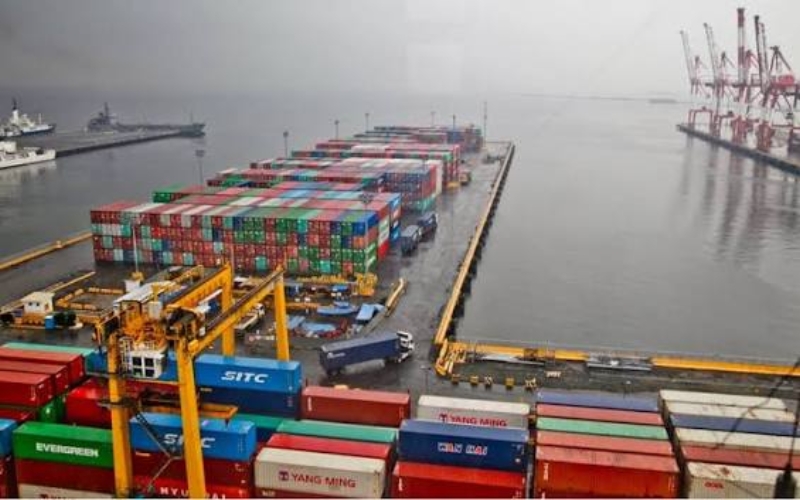
Investment directed to connective infrastructure and supply chain systems facilitative to sustained economic development is transforming the Philippine logistics sector beyond traditional freight transportation. Of particular interest to foreign investors will be the government-provided infrastructure investments, e-commerce-related logistics, and other regional supply chain opportunities.
Port modernization strengthens maritime logistics
The Philippines is made up of over 7,600 islands. Maritime transport is the most practical means of trade and transport in the entire nation. To improve the efficiency of transporting cargo, the government has committed about US$800 million to modernize ports. The upgrades will allow ports to handle about 2 million more TEUs.
These upgrades are expected to reduce congestion, improve cargo turnaround times, and strengthen inter-island connectivity. For investors, modern ports create opportunities not only in terminal operations but also in surrounding logistics parks, distribution centers, customs services, and value-added supply chain solutions.
E-commerce is driving warehousing and last-mile delivery
The rapid growth of e-commerce has transformed warehousing into one of the logistics sector’s fastest-growing segments. Wholesale and retail activities account for approximately 31% of logistics demand, creating sustained requirements for fulfillment centers, automated warehouses, and last-mile delivery networks.
Demand in Metro Manila, Central Luzon, and CALABARZON is strong due to population density, industrial activity, and transportation which promote large distribution operations. As the demand for digital commerce increases, companies with automated warehouses and fulfillment services and 3PL (third-party logistics) companies will see great benefits.
Cold chain and regional logistics corridors offer long-term potential
Cold chain logistics are important to the agricultural and healthcare sectors. Currently, this area of logistics remains underdeveloped. However, as the demand continues to grow, this sector is expected to grow as well. Investors with knowledge in refrigerated transport and cold storage have the opportunity to create profit in a market where the supply has not met the demand.
At the regional level, the Luzon Economic Corridor, a strategic initiative supported by the Philippines, the United States, Japan, and Canada, is expected to strengthen industrial connectivity, manufacturing investment, and international trade. As production capacity expands along this corridor, demand for integrated logistics services and modern distribution infrastructure is likely to increase.
Where should investors focus?
The strongest investment opportunities are found in port infrastructure, e-commerce fulfillment, modern warehousing, cold chain logistics, and technology-enabled supply chain services. These segments benefit from both structural demand growth and continued government investment, making them attractive for long-term infrastructure investors, logistics operators, and supply chain technology providers.
Selecting the right market segment, however, is only one part of a successful investment strategy. Investors should also understand the country’s regulatory framework, ownership rules, and available investment incentives before entering the market.
Market Entry, Legal Framework & Investment Incentives
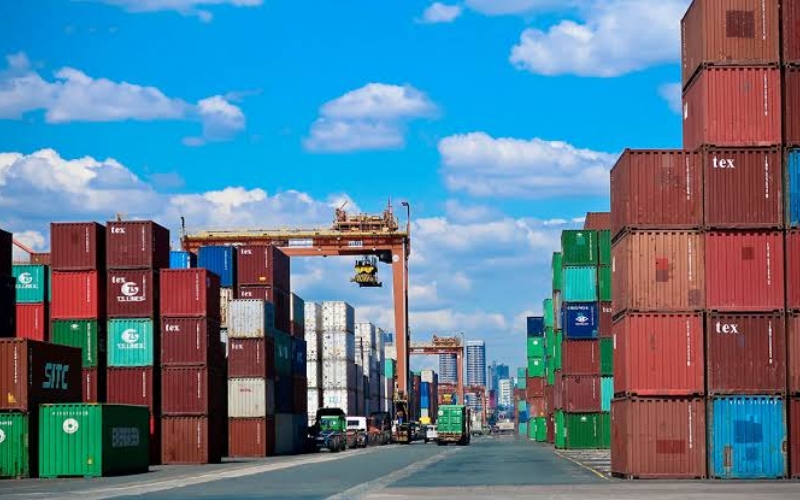
The Philippine logistics sector has become increasingly accessible to foreign investors through regulatory liberalization, infrastructure reforms, and investment incentive programs. While market entry requirements vary by logistics activity, the overall policy direction supports greater private and international participation across the supply chain ecosystem.
A more open environment for foreign investment
Recent policy reforms have progressively liberalized foreign participation in logistics-related industries, while new economic zones across Luzon, Visayas, and Mindanao continue to attract international logistics providers and manufacturers.
The rules around ownership may change based on the type of activity carried on in the business, such as freight forwarding, domestic transport, warehousing, etc. For this reason, investors should check the most recent foreign ownership restrictions related to the type of activity they plan to carry on before deciding on an investment structure.
PPPs and investment incentives support market entry
For investors targeting logistics infrastructure, the Public-Private Partnership (PPP) Code provides an established framework for participating in port, airport, and transport infrastructure projects linked to the government’s broader infrastructure development strategy.
In addition, logistics projects that align with the Strategic Investment Priority Plan (SIPP) may qualify for incentives administered by the Board of Investments (BOI) under the CREATE MORE Act. Eligible projects can benefit from reduced corporate income tax and enhanced deductions, improving long-term project economics and encouraging investment in strategic logistics infrastructure.
A practical pathway into the market
Foreign investment activity demonstrates the attractiveness of the sector. For example, Rhenus Group announced a US$20 million investment to expand its warehousing and transport infrastructure in the Philippines, reflecting growing confidence in the country’s long-term logistics potential.
Before entering the market, investors should:
- Determine the most appropriate business model, such as logistics services, warehousing, cold chain, or infrastructure development.
- Confirm foreign ownership requirements for the specific logistics sub-sector.
- Assess eligibility for BOI incentives and SIPP priority programs.
- Evaluate opportunities under the PPP Code for large-scale infrastructure projects.
- Select locations with strong transport connectivity and established industrial ecosystems, particularly Metro Manila, Central Luzon, and CALABARZON.
With the regulatory environment becoming increasingly supportive, investors should next evaluate the operational and structural risks that may influence project execution and long-term returns.
Risks, Challenges & Practical Guidance for Investors
The long-term outlook for the Philippine logistics industry remains positive, but investors should recognize that the sector’s strongest opportunities are closely linked to its structural challenges. High logistics costs, fragmented transport networks, and infrastructure bottlenecks continue to affect operational efficiency, creating both risks and investment potential.
High logistics costs remain a competitive challenge
Compared with many regional peers, logistics costs in the Philippines remain relatively high. Freight rates are estimated to be 50–250% higher than in neighboring Southeast Asian markets, while importing a container costs approximately US$5,300, or roughly 10% of the value of the goods.
For manufacturers, retailers, and exporters, these inefficiencies raise operating costs. For investors with the ability to enhance supply chain efficiencies with warehouse automation, various transportation methods, advanced logistics systems, and new distribution infrastructure, these inefficiencies present a great opportunity.
Geography and infrastructure affect operational efficiency
As an archipelago, the Philippines naturally faces greater logistics complexity than mainland Southeast Asian economies. Cargo frequently moves through multiple transport modes, including sea, road, and air, before reaching its final destination, increasing transit times and operating costs.
The government is modernizing ports and transport infrastructure, but timelines vary by project. Investors should thus consider the level of logistics infrastructure development and the status of transport networks when deciding where to locate warehouses and when to make large investments.
Practical recommendations before investing
Before entering the Philippine logistics market, investors should:
- Confirm foreign ownership rules for the specific logistics activity, as regulations may differ across transport, freight forwarding, and warehousing services.
- Assess eligibility for BOI incentives and projects covered under the Strategic Investment Priority Plan (SIPP).
- Prioritise regions with established logistics ecosystems, particularly Metro Manila, Central Luzon, and CALABARZON, where infrastructure investment and industrial activity continue to accelerate.
- Evaluate opportunities in high-growth segments such as warehouse automation, cold chain logistics, fulfillment centers, and port-related infrastructure.
- Conduct commercial, legal, and technical due diligence before investing in large-scale logistics facilities or PPP-linked infrastructure projects.
For long-term investors, the current supply chain inefficiencies should be viewed as opportunities rather than obstacles. As the Philippine economy continues to grow, businesses that deploy technology and improve the supply chain with dedicated infrastructure and integrated logistics are likely to thrive.
Conclusion
The Philippines’ logistics industry is becoming an increasingly important component of the country’s economic transformation. Growth in digital commerce, manufacturing, and infrastructure investment is driving sustained demand for modern logistics services, while government initiatives to strengthen supply chain efficiency are creating a more attractive environment for private investment.
For foreign investors, the strongest opportunities extend beyond conventional freight transportation. Modern warehousing, e-commerce fulfillment, cold chain logistics, port infrastructure, and technology-enabled supply chain solutions are expected to experience the greatest long-term demand as businesses seek faster, more reliable distribution networks.
Picking the proper market segment and investment strategy is essential for getting it right, if at all. Investors need to study a lot. Before looking at the market, they should assess ownership requirements, the state of the market’s infrastructure, available incentives, and the execution risk of projects.
Given that the Philippine digital economy is nearing 10% of the GDP, the continued public investment in logistics infrastructure and growing international operators in the market indicate positive trends in the sector. Companies with a good combination of due diligence and a long-term investment strategy will have the first-mover advantage in the logistics market in Southeast Asia.