


This guide explores the drivers behind the country’s FDI appeal, explains regulatory structures, and outlines best practices for sustainable corporate growth in 2026.
Why Thailand Continues to Attract Foreign Capital
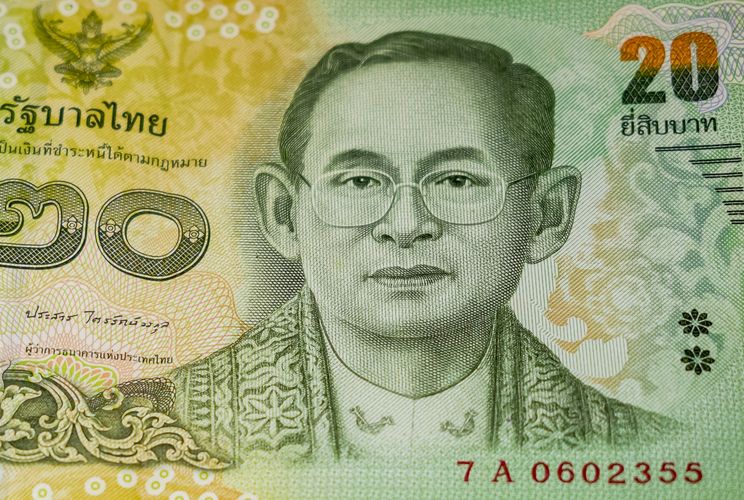
The nation’s economy has long been recognized as one of the most diversified in the region. This versatility presents unique opportunities for enterprises seeking a balance of scalable operations, developed industry sectors, and broad regional access. With a domestic population of roughly 71 million, the country not only stands as a substantial consumer market but also serves as a strategic gateway to over 680 million potential customers across ASEAN.
While global markets face macroeconomic uncertainty, the local economy remains resilient. The Asian Development Bank (ADB) projects continued growth driven by tourism recovery, alongside increased public and private sector spending.
Unlike many emerging markets, the Kingdom boasts a highly developed industrial ecosystem characterized by a robust manufacturing base, strong engineering talent, and mature supply chains. This infrastructure enables foreign firms to build and scale operations with high efficiency. Furthermore, geographic positioning at the heart of mainland Southeast Asia—featuring extensive maritime access and cross-border trade routes—cements its status as a premier logistics hub.
A crown jewel in this strategic development is the Eastern Economic Corridor (EEC), spanning Chonburi, Rayong, and Chachoengsao provinces. The EEC specifically targets next-generation industries, including electric vehicles (EVs), aerospace, biotechnology, and smart electronics. Heavy public-private commitments to upgrading transport networks, deep-sea ports, and specialized industrial estates further amplify the region’s global competitiveness.
Backed by an array of free trade agreements, including the Regional Comprehensive Economic Partnership (RCEP), enterprises setting up here secure unparalleled access to the broader Asian market, transforming the country into much more than just a low-cost production center.
Navigating BOI Incentives and Corporate Structuring
The Board of Investment aims to accelerate capital inflows by rewarding projects that drive technological advancement, industrial competitiveness, and economic growth.
Rather than utilizing a blanket approach, the BOI tailors its privileges based on specific criteria: an enterprise’s industry classification, technology integration, R&D initiatives, environmental footprint, and overall strategic value to the national economy.
Key incentives generally fall into two categories:
- Tax Exemptions: Eligible companies may receive substantial, time-bound Corporate Income Tax (CIT) holidays. To facilitate technological upgrades, the Board also offers reductions or complete exemptions on import duties for essential manufacturing machinery. Export-oriented businesses can further benefit from duty exemptions on imported raw materials.
- Non-Tax Privileges: These perks significantly streamline daily operations. They include expedited processes for securing work permits and visas for expatriate experts, the authorization of 100% foreign ownership in restricted sectors, and, in certain cases, the right to own land for commercial use.
Selecting the optimal corporate structure from the outset is crucial to fully leveraging these advantages.
The Thai Limited Company is the most widely adopted framework. While the Foreign Business Act normally restricts international ownership in various commercial activities, securing BOI promotion effectively overrides many of these limitations. Consequently, most foreign investors targeting priority sectors choose to incorporate a BOI-promoted Limited Company.
Alternative structures include:
- Representative Offices: Limited to non-revenue-generating activities, such as market research and quality control.
- Branch Offices: Allow foreign entities to conduct direct business under specific regulatory conditions.
- Regional Headquarters: Ideal for overseeing pan-Asian operations.
The incorporation process typically begins with a name reservation at the Department of Business Development (DBD). This is followed by formal entity registration, tax enrollment, and securing industry-specific licenses (such as those required for healthcare, telecommunications, or food processing). Given the regulatory nuances, engaging certified local legal and corporate advisors is highly recommended to ensure compliance and expedite BOI applications.
Evaluating Capital Expenditure and Ongoing Costs

Compared to many emerging economies, Thailand delivers premium infrastructure and operational support at highly competitive rates.
Initial capital requirements depend heavily on enterprise size and industry scope. Standard startup expenses encompass incorporation fees, legal and accounting counsel, government licensing, IT deployment, and initial recruitment. Regulated sectors will incur additional costs for environmental clearances and specialized certifications.
However, incorporation fees represent merely a fraction of total capital requirements. A comprehensive budget must account for ongoing operational expenses:
- Real Estate: Commercial office rates vary significantly. Central Business District (CBD) spaces in Bangkok command a premium, whereas manufacturing and logistics firms often find better value and purpose-built facilities within the EEC or designated industrial zones.
- Human Resources: Labor expenditures fluctuate by sector and specialization. While the market provides an abundant supply of skilled professionals in engineering, IT, and advanced manufacturing, specialized roles naturally demand higher compensation, particularly in metropolitan Bangkok. Budgets must also factor in mandatory social security contributions, employee benefits, and training programs.
- Recurring Overheads: Utilities, telecommunications, commercial insurance, and retained professional services (auditing, legal) form the baseline of monthly operating costs.
Market-entry strategies must inherently incorporate comprehensive tax planning. Standard obligations include Corporate Income Tax (CIT), Value Added Tax (VAT), and withholding taxes, though these can be substantially mitigated if the project secures BOI endorsement.
Ultimately, while raw labor costs may be lower in neighboring nations, Thailand’s superior productivity, resilient supply chains, and advanced infrastructure consistently yield a more manageable and predictable total cost of doing business.
Formulating a Resilient Market-Entry Strategy
Successfully navigating a highly developed regulatory landscape requires meticulous preparation.
The foundational step is rigorous market research. Decision-makers must evaluate local demand, competitive dynamics, pricing frameworks, and supply chain logistics to align their corporate strategy with current economic realities.
During this phase, assessing BOI eligibility should be a priority. Understanding which regulatory incentives apply before finalizing the business model and location prevents costly realignments later on.
Choosing the right operational base is equally strategic. While Bangkok remains the undisputed hub for corporate finance and consumer access, the EEC offers unmatched logistical superiority for heavy industry and export-driven manufacturing.

Furthermore, establishing reputable local partnerships is indispensable. Collaborating with established legal, tax, and HR consultancies, as well as specialized customs brokers, mitigates compliance risks and accelerates market penetration.
Before committing capital, executive teams should address several strategic questions:
- Will our core activities qualify for BOI promotion?
- What specific environmental or operational licenses will we require?
- Does the chosen location offer the physical scalability for future expansion?
- Can the local talent pool sustain our long-term technological needs?
- Are we positioning this facility solely for production, as a regional headquarters, or both?
- How can we optimize our supply chain to maximize duty-free exports across ASEAN?
Market conditions are perpetually in flux, driven by technological shifts and evolving trade policies. Enterprises that achieve enduring profitability are those that regularly audit their strategies, invest in workforce upskilling, and maintain robust digital engagement with suppliers and clients.
Conclusion
With its diversified economy, advanced industrial baseline, and deep integration into the ASEAN network, Thailand continually proves its worth to international investors. The market is particularly attractive to corporations seeking scalable expansion rather than just short-term arbitrage.
The Board of Investment significantly amplifies this appeal by delivering a suite of targeted incentives that de-risk entry into high-value sectors like digital tech, renewables, and advanced manufacturing.
While the mechanical process of company setup is straightforward, long-term triumph demands strategic foresight. By rigorously analyzing BOI eligibility, selecting the precise corporate vehicle, and mapping out total operational costs, foreign enterprises can transition from viewing the country as a mere production node to establishing it as a permanent hub for sustainable, regional growth.