


Real estate has been vital to Myanmar’s economic development, both historically and contemporarily, as it develops and invests in urban areas, commerce, industry, and infrastructure. Interest in Myanmar’s markets has persisted from businesses and investors, even as the property market has suffered. This is largely because real estate remains relevant to the development needs of Myanmar. Southeast Asia’s property markets have developed quite a bit compared to Myanmar’s. Since Myanmar’s real estate sector is still developing, the demand is multi-faceted, as apartments aren’t the only thing being built. There are also commercial buildings, industrial zones, logistics, and the infrastructure of business. Rapid urbanization and industrialization mean the market is growing and developing in the location and sector that businesses want it to. Because of the developing nature of the Myanmar real estate sector, it also means that this market is developing simultaneously. Foreign investors are encouraged to think in a long-term scope when investing in this market. Success in this market often requires the investor to have a strong understanding of the developing market, and the project they are investing in has to have real economic underpinnings. In this article, we analyze Myanmar’s real estate market and its development trends, suggest areas to invest, and explain the risks and potential of investing in Myanmar real estate.
Understanding Myanmar’s Real Estate Market in 2026
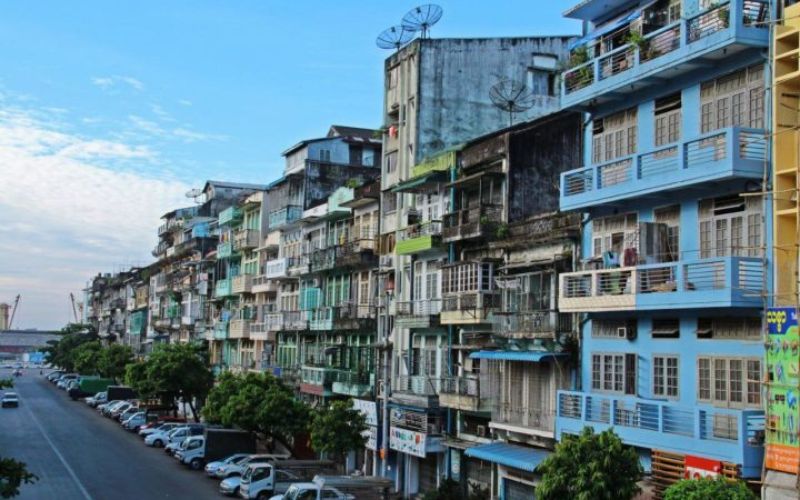
Myanmar’s economy relies heavily on the real estate sector. Construction and infrastructure depend on the real estate market, and so does the growth of trade and the industry, as well as urban development. The real estate market has been active even with fluctuations. The development of property is necessary for the growth of the economy and for business functions.
Yangon is still the biggest and most active property market in the country. As Myanmar’s commercial capital, most of the office buildings and commercial and logistical developments take place in Yangon. Most mixed developments of a larger scale are found in this city as well. Business-related developments are located in and around the city due to its position as the main economic city in the country.
Mandalay is the second largest city and is also an important city for trade and commerce. Its location provides demand for logistical and commercial real estate, as well as for property related to transport.
As the capital of the country, Naypyidaw has a property market shaped by government and other institutional activities. Even if its commercial property market is smaller than that of Yangon, some service and administrative activities also take place here.
New developing industrial areas beyond the major cities are quickly becoming important as well. Economic corridors of industrial zones close to transport networks also attract business. These provide networks for logistics and places to establish their manufacturing and transport operations.
Several long-term factors continue to support real estate demand:
- Urbanization
- Population growth
- Industrial development
- Expansion of trade and logistics activities
- Infrastructure investment
- Business formation and commercial activity
With the continuous evolution of markets, the need of businesses for commercial and industrial real estate remains. Companies need places to run their businesses, such as offices, warehouses, factories, and logistics.
Investor inclination is more careful, as they are taking long-term fundamentals into consideration and are more focused on assessing the viability of projects rather than rushing to speculation. Relative to other times of speculation, the current time is characterized by the development of projects and initiatives that create value and facilitate the growth of the company.
If you are one of the companies that are eyeing Myanmar for doing business there, you need to understand that the real estate market is considered the infrastructure to facilitate commercial activity. Therefore, industrial parks, logistics, offices, and mixed use will be valued greater in the long-term market than speculative commercial projects.
The main point to consider is that in Myanmar, the real estate market is still tied to the commercial market and urban development, which offers opportunities to long-term focused investors.
Key Trends Shaping Real Estate Development
Long-term structural changes are affecting the Myanmar real estate market and creating new investment opportunities.
One of the most significant developments is the growing market for industrial and logistics real estate.
Manufacturing and trade expansions need industrial/factory buildings and support for the production, storage, and movement of goods. The industrial areas built around Yangon and other strategically selected areas have been instrumental in attracting investment and servicing the market.
Warehouses and logistic facilities are critical. Manufacturing, wholesale, and especially businesses engaged in distributing and trading through e-commerce and import-export create a demand for modern, efficient, and cost-effective storage and distribution facilities.
Real estate has several critical segments. The need for quality real estate has remained even with the changing demand of industrial and commercial buildings.
Retail or mixed-use developments have become the norm. Developers are trying to respond to the changing demands of consumers and businesses by creating integrated systems within one development.
Real estate developments driven by changing infrastructure have also increased.
Logistics corridors and special economic zones generate demand for supporting property around them. As industrial infrastructure and roads and port and other connections are improved, new commercial and industrial opportunities arise along the pathways.
Sustainability is becoming increasingly important to both developers and occupiers.
Businesses increasingly seek properties that offer the following:
- Energy efficiency
- Lower operating costs
- Reliable utilities
- Modern facility management
- Enhanced operational resilience
While green building structures are not yet common in this region, the awareness around sustainable considerations is growing.
Another trend you see is the growing emphasis on actual functionality over speculation. Properties that further improve business operations, facilitate functions, and satisfy workforce needs are prioritized.
This means industrial parks, warehouses, and business-focused development projects are the new giants in the real estate market.
Investors should closely examine the trends in the Myanmar market and its future economic growth to know in which segments the country will see the highest real estate development demand and the necessary infrastructure.
Where Investment Opportunities Are Emerging
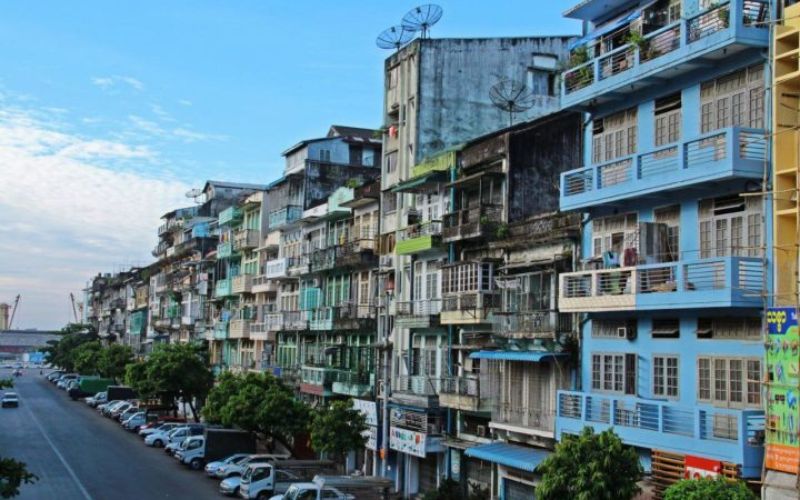
There are always ups and downs in Myanmar’s property market. Investing in real estate is not without risks, but there are plenty of opportunities over the long term. Some of these risks are highlighted below.
First, consider the opportunities that industrial property offers. Manufacturing continues to develop in Myanmar. Export-focused manufacturing requires a lot of resources, so there is a need for warehouses and other services. Industrial property also requires good connections to transport.
Infrastructure provided in industrial parks is also a good draw for businesses. Investors who purchase industrial property are also considering other real estate risks like trade and economy.
Another great opportunity is within the state supply chain and logistics.
As companies seek greater efficiency in inventory management and distribution, demand for logistics facilities continues to grow. Opportunities may exist in:
- Warehouses
- Distribution centers
- Cold-storage facilities
- Transportation-support infrastructure
These resources are important because as supply chains evolve more and more, businesses need secure logistics, which focuses on the importance of these resources.
Commercial real estate offers more and more opportunities, especially in large cities.
Businesses need office space and business parks and corporate facilities to support operations. High-quality commercial assets with great tenants provide opportunities that relate to long-term business activity, and the market will have fluctuations, but they will be short.
Assets associated with hospitality and tourism are also of importance.
Infrastructure that supports hospitality and tourism as well as hotels and serviced apartments will continue to see growth with the increase of travel and business-related activities. These types of investments are tricky. You must evaluate the market trends, the locations you are considering the investments in, and the operational strategies you have in mind in great detail.
Product ownership offers you many opportunities in the supportive industries.
As the property sector evolves, demand grows for:
- Property management services
- Facility management
- Real estate consulting
- Construction support services
- Real estate technology solutions
Compared to large-scale developmental projects, such businesses have less capital commitment.
For the foreign investors, such models can be appealing for entry points; partnerships with local developers, operators, or service providers may mitigate the market entry risk and may provide access to local networks.
Business activities, growth of industries, efficiency of logistics, and development of infrastructure provide the best opportunities. These are driven by actual economic conditions rather than the speculative behavior of the market.
Risks, Challenges, and the 2026–2030 Outlook
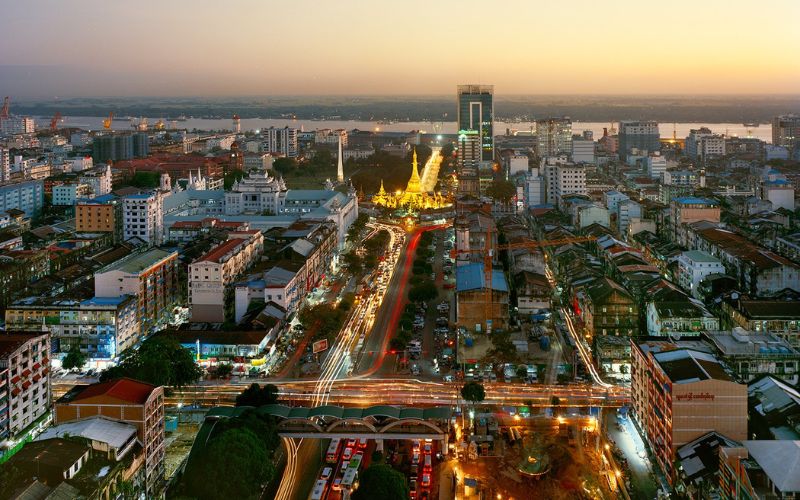
Myanmar’s developing economy like other new markets brings possibilities and threats to real estate investments. Investors need to look at these possibilities and threats before investing in property and development projects.
The first is the conditions of the real estate laws.
Real estate projects involve many complicated and inconsistent transactions within the laws, licenses, and uses of land. Investors need to do due diligence and check the property rights before the purchase and development.
The second is the conditions of the financing.
The availability of financing, the terms of the loan, and the availability of the capital may all affect the viability of the project. Investors need to include adequate assumptions and plans in the financial models.
The third is the condition of the limited infrastructure.
Electricity, the availability and reliability of the transport services and telecommunication services, and the utility services affect the viability of the project, especially services of an industrial and logistic nature.
The fourth is the condition of the limited market transparency.
A lot of due diligence is required to estimate the economics of the project and demand and to evaluate land acquisition and partnerships. Investors need to focus on commercial reality to substantiate concrete economics, rather than rely on market perceptions.
Best practices for investors include:
- Conducting legal due diligence
- Assessing land-use rights
- Evaluating project feasibility
- Reviewing regulatory requirements
- Selecting partners carefully
- Maintaining realistic investment timelines
Despite challenges, long-term investors continue to monitor Myanmar because of its strategic location within Asia and its long-term urbanization potential.
Between 2026 and 2030, several trends are expected to influence the market:
- Continued demand for industrial facilities
- Growth in logistics infrastructure requirements
- Expansion of warehousing and distribution assets
- Gradual modernization of commercial properties
- Ongoing urban development needs
The demand for industrial and logistics real estate will likely remain strong, so this real estate segment will likely be resilient. This is because demand for industrial and logistics real estate is connected to demand for business and economic activities.
For foreign investors, the Myanmar property market is better aligned with long-term, less-patient investments than with short-term, highly specialized investments. The most likely opportunities will be found by businesses with a sustained focus on the operational, infrastructural, and economic sides of the market.
The most important factor to succeed in the Myanmar real estate market is thorough and patient research on the market.
Conclusion
The real estate market in Myanmar is indicative of the advances and needs of the economy, the industrial sector, and urban development. Challenging market conditions will continue to create demand for commercial, industrial, and logistical and infrastructural property. Business operators and investors alike need to evaluate the opportunities that the market provides.
Some opportune segments of the economy are industrial parks, warehousing, logistics, offices, and supportive business infrastructure. These segments will provide the necessary infrastructure to support operational business needs and will be driven by the actual needs of the business and community, as opposed to speculative developments.
Investors also need to evaluate the nature of the business, the environment they are going to work in, and the financing structures to support the business and the risk the business may take. Investment strategies that are based on thorough research and solid partnerships within the community will be successful.
Businesses that take a long-term view of the market will be able to find opportunities because of the improvement in the urban centers, the industry, and the infrastructure in Myanmar. The businesses that will be most successful will be those that create value in a sustainable way and focus on the operations.