


Residential real estate is vital for both urbanization and the longer-term economic development of Myanmar. Evolving cities and changing demographics impact patterns of housing demand. Residential property helps engage the growth of the population as well as the mobility of the workforce and businesses.
After much transformation, a strong demand for housing remains in Myanmar. It is largely attributed to urbanization, internal migration, the changes of household dynamics, and the growth of economic activities. Thus, the major cities are in demand for new residential development. Some investment opportunities to answer this demand deal with housing such as condominiums and mixed-use developments.
Myanmar’s residential property is a long-term investment opportunity. It takes a greater understanding of the longer-term, urban change and demographic opportunities, as opposed to short-term market movements, to succeed. Knowledge of local housing and infrastructure, along with the required investments and emerging preferences, is a prerequisite to capturing the opportunity.
This document investigates the opportunities, challenges, and the future of residential property in Myanmar and aims to provide an understanding of the trends and development of this sector of the economy.
Understanding Myanmar’s Residential Property Market in 2026
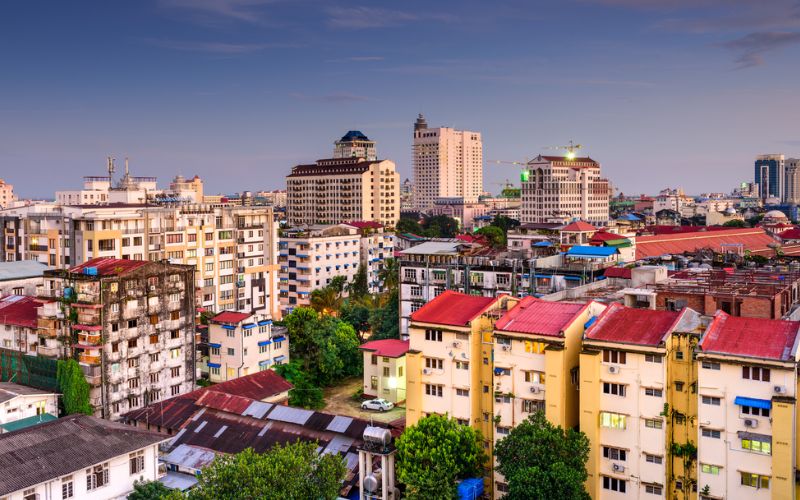
Demand for housing in Myanmar’s major cities continues to grow and will continue to grow, aided by urbanization and population growth, causing residential property to be a key segment in Myanmar’s real estate sector. Market volatility does not deter demand, as it is largely driven by structural demographics as opposed to housing market speculation.
As estimated by Mordor Intelligence, Myanmar’s residential real estate is expected to increase to USD 1.71 billion in 2026, up from USD 1.58 billion in 2025. The firm expects the value of this market to be approximately USD 2.56 billion in 2031, indicating a CAGR of 8.35% from 2026 to 2031. While the economy and financing pose challenges, these numbers indicate residential real estate in Myanmar is expected to grow, mainly driven by demand for housing.
Demand for residential property in Myanmar is strongly concentrated in a few urban centers. Myanmar’s largest city and primary recipient of most internal migrants is Yangon. Almost all private sector investment is directed to Yangon. The largest demand in the market is for condominiums, apartments, and mixed-use projects that offer urban households better residential quality and proximity to commercial services.
Mandalay, Myanmar’s second largest city and a major regional trade and logistics center, has the second largest residential property market. Naypyidaw and other emerging cities have government-led residential property investment, and growing local economies and increasing government-initiated infrastructure will promote residential property investment.
Several long-term factors continue to support residential demand across Myanmar:
- Urbanization and migration into major cities
- Growth in household formation
- Rising demand for modern housing products
- Expansion of mixed-use and condominium developments
- Continued need for affordable and mid-market housing
Myanmar’s housing market comprises enormous imbalances between present housing stock and future housing demand. Myanmar’s premium housing market attracts a great deal of attention. However, demand is, and will continue to be, concentrated in the affordable and mid-market segments. Demand in these segments is primarily a product of the growth in population and urban expansion and the continued need for housing that such growth brings.
For the most part, this means that the greatest opportunities for developers and investors will be in the housing projects that serve the actual market needs of the buyers and tenants, as opposed to projects that are developed for the purpose of speculation and hoping for appreciation of the property. Housing projects that offer a combination of affordability & the elements that contribute to housing quality will have the best potential for success in the housing market over the long term.
From a business viewpoint, the housing market in Myanmar should be viewed as a housing market based on population growth. There will be fluctuations in the market in the short term; however, the market is predicted to expand from USD 1.71 billion in 2026 to USD 2.56 billion in 2031, and housing will be a vital part of Myanmar’s urban and economic growth.
Key Trends Shaping Residential Development
Myanmar’s residential development shows the adaptive capabilities of developers vis-à-vis altering urban lifestyles, shifting housing demands, and economic changes.
Of particular focus, the persistent demand for urban housing has hit cities such as the commercial hub of Yangon and the administrative capital, Mandalay, as developments are required to provide employment and education-seeking residents with housing.
Demand for land in central areas has seen higher-density housing become popular with developers. In particular, land costs and the need for residential solutions in Yangon have resulted in a focus on vertical developments.
Of interest to a developer, the condominium housing model supports professional management and sales to both locals and eligible foreigners. A notable change in the recent condominium projects is the addition of amenities such as the following:
- Security services
- Parking facilities
- Fitness centers
- Community spaces
- Property management services
Mixed-use developments are another notable trend.
Developers are continuing to combine housing and commercial, retail, and lifestyle elements in their developments, moving away from detached residential developments. For developers, mixed-use communities can offer greater revenue diversity and greater convenience to residents.
Of all the housing products, mid-market and affordable housing continue to be the most important.
Of all the products in the market, the most desired housing products by the population in Myanmar are affordable housing products that also offer some measure of quality. Developers that are capable of building cost-effective, well-designed housing products may find a high level of market support for their offerings, especially in those areas that are seeing the most urban growth.
Buyer preferences are also evolving. Modern homebuyers increasingly prioritize the following:
- Building quality
- Reliable utilities
- Security
- Accessibility
- Community amenities
- Sustainable design features
While the luxury housing market segment continues to thrive, market dynamics bear the strongest impact outside of luxury housing, and especially for segments that cater to the full spectrum of housing needs.
Sustainability is taking on increased importance. More developers are focusing on the cost of energy and water and construction and maintenance costs. Although there still is limited green residential development as compared to some ASEAN nations, the development community is becoming more cognizant of sustainability factors.
For most developers, the best opportunities lie in projects that cater to real housing needs and the trends of urban development, rather than focusing mainly on the premium segment.
Most likely, new residential projects in Myanmar will increasingly be influenced by cost and the way residential projects optimize urban living and the new lifestyle expectations that residents will bring to the projects.
Residential Investment and Development Opportunities
Myanmar’s residential property sector has something to offer at every step of the housing value chain for developers and investors. Urban residential projects continue to be one of the biggest draws.
Demand for new housing in urban areas is expected to grow with the populations, and urbanization will likely keep new housing lags at the same pace. Large metropolitan areas have a particular need for medium-density housing projects that cater to working professionals and family housing.
Housing preferences and urban environments have shifted, and so have the interests of developers and investors in condominium projects.
Myanmar’s Condominium Law now allows foreign investors to buy a small percentage of the units in approved condominium projects. Although the market for housing in Myanmar is mainly for the local population, the law has generated interest in the sector and has offered the potential for local, professionally managed, housing developments.
Demand for good quality, modern, professionally managed, and urban housing will also likely remain.
Mixed-use projects also provide good opportunities.
Residential projects with integrated housing and work, shopping, and even leisure space create communities and do even more for the project. These projects provide good value and help meet the goals of the cities. Consumer needs are always changing, and so are the new opportunities for support services.
As residential markets mature, demand increases for the following:
- Property management services
- Facility management
- Building maintenance
- Residential security services
- Smart building technologies
- Community management solutions
These markets tend to have less capital-intensive offerings than larger real estate developments and still capitalize on the residential market growth.
These markets often see foreign investors due to the use of partnerships.
People who invest via partnerships with developers can tap into a range of market knowledge and skills and can also gain a clear competitive advantage over less informed market players. This may lessen the risks associated with moving into a new market and enhance the effectiveness of the undertaking.
Investors should note that the most sustainable opportunities deal with the housing demand and the expectation of rapid appreciation of properties. Addressing housing needs may result in the most resilient projects over the long run.
For businesses evaluating residential real estate opportunities in Myanmar, the most attractive projects are often those aligned with urban development objectives and genuine housing requirements.
Risks, Challenges, and the 2026–2030 Outlook
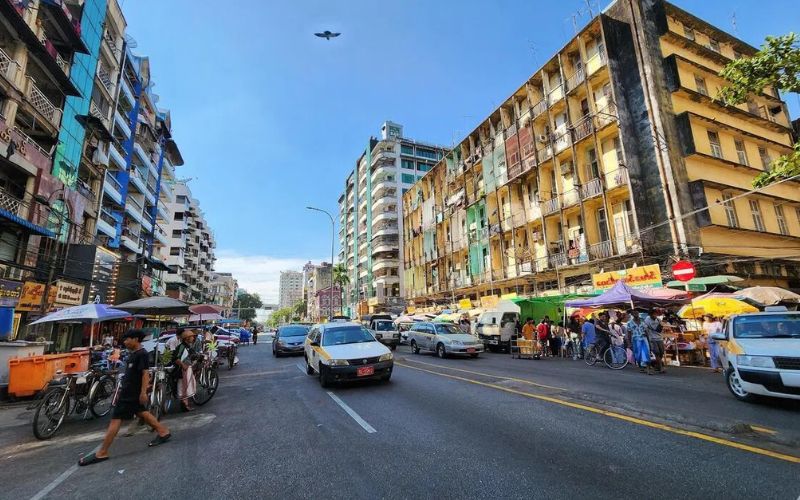
Although Myanmar’s residential property market has potential for growth, risks are present and should be evaluated by any potential developers or investors.
One challenge the market faces is housing affordability. Purchasing power constraints are faced by many households, and those constraints complicate the profitability of an accessible housing market for residential property developers.
House financing constraints should also be considered.
Compared to many developed property markets, there is limited access to housing finance and mortgages. Even home financing has a direct impact on demand, absorption, and activity within the property market.
Regulations also pose market barriers.
To develop a residential property, the developer needs to understand a multiplicity of regulations such as land-use, project approval, licensing, ownership, and the legal structures concerning all the aforementioned. Legal due diligence is pertinent to developing property.
The success of a residential property development is also impacted by the underlying infrastructure.
Reliable utilities, access to transport, and telecommunications services affect the desirability of a residential property. Developed areas with commerce and residential property of a developed market also have higher demand at a developed value due to the developed market.
Before committing to a project, investors should conduct the following:
- Land ownership verification
- Legal due diligence
- Market demand assessments
- Financial feasibility studies
- Infrastructure evaluations
- Partner due diligence
Despite these challenges, long-term demographic trends continue to support interest in the residential sector.
Between 2026 and 2030, several factors are expected to shape market development:
- Continued urbanization
- Growth in housing demand
- Expansion of condominium developments
- Increased interest in mixed-use communities
- Gradual modernization of residential projects
- Rising expectations regarding quality and amenities
One of the most relevant and consistent causes of residential development activity will be demand for urban housing even with fluctuating market conditions.
Demand for residential property will be the most pronounced for long-term investors when new developments meet demand from population growth, address housing affordability, and respond to the needs of sustainable urban development.
Long-term demographic trends will result in residential development opportunities in Myanmar’s housing market, even if potential investors will need to plan and develop the market with a great deal of restraint.
Conclusion
Despite the issues plaguing the economy of Myanmar, urban and economic development will still find that residential real estate is an invaluable constituent. There will always be opportunities for real estate developers and investors given the growth that the urban population of Myanmar is presently experiencing and the changes that are occurring to the housing needs of the population.
The greatest opportunities are in projects that satisfy housing needs. Rapid urban population growth creates the need for new housing construction. New housing projects may take the form of condominiums or housing and mixed-use developments. There are services that manage housing developments and that cater to housing needs that are affordable and that are gaining popularity.
Investment in housing projects may be undertaken with some degree of confidence, but it is always important to plan well, understand the demand and housing needs, and take the necessary precautions. Investors must consider the needs and regulations of the population and the infrastructure investments that will be required to support the housing development.
Residential real estate in Myanmar is linked to the urban development of the country, and investors with a long-term focus will find opportunities. The housing solutions and products that address the housing needs and that are built to sustain the housing solutions will support the gradual growth of the housing sector.