


Building the right team is critical to having a successful business in the long term for foreign investors in Myanmar. Businesses can use local employees to help create strategies and manage operations and provide services to customers. This is important when moving to Myanmar to build a manufacturing plant, open a representative office, or create a trading company in Myanmar.
There is access to a large workforce in Myanmar as well as a developing workforce with new professionals. Competitive pay will not be enough to recruit talented employees. Foreign businesses will need to be aware and adjust to the local labor market, recruitment strategies, and employment regulation and the workforce’s expectations and needs in order to build a team that will sustain their business.
There may be challenges to retaining talented workforce in Myanmar due to a lack of skilled professionals, competitiveness in retaining professionals, as well the need for workforce development. Human capital will be more important than ever in planning how to create business in a competitive strategy.
The purpose of the guide is to help foreign businesses looking for opportunities based in Myanmar to understand the employment market and be able to build effective teams.
Understanding Myanmar’s Labor Market in 2026
The workforce marks an essential economic resource in Myanmar. Supported by its longstanding history in agriculture, manufacturing, trade, and services as well as its relatively young demographics, Myanmar provides businesses with an extensive labor resource.
There continues to be an extensive workforce in Myanmar of laboring age according to statistics from the International Labour Organization (ILO) and the World Bank. Yangon, Mandalay, Naypyidaw, and a number of the industrial zones that host manufacturing and logistics, contain the majority of the country’s workforce.
Having the most foreign investment, Yangon is Myanmar’s most developed city and serves as the most extensive resource of the country’s workforce for administrative, management, financial, and technical positions. Mandalay is a regional trade and commercial center, while the industrial zones that surround the main cities provide staffing resources for support and operational staff.
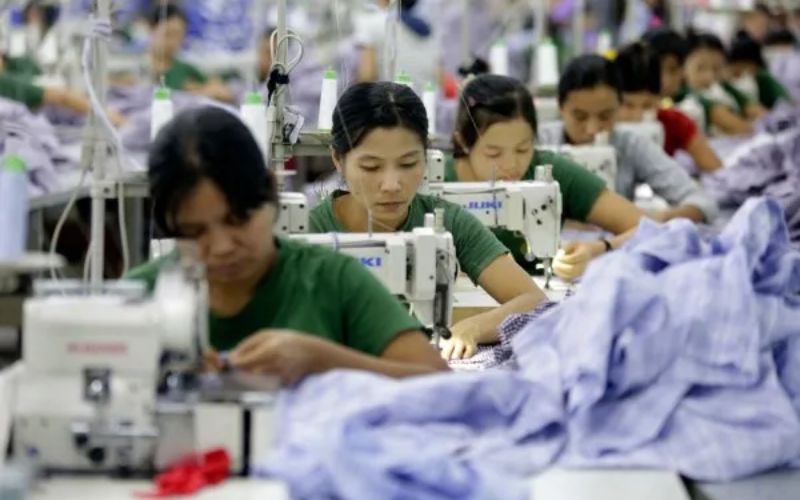
The availability of inexperienced and operational staff is an advantage for Myanmar. Workers who are willing to learn and adapt to meet the business requirements of manufacturing, logistics, customer service, and retail are readily available.
Talent availability for roles of higher order and complexity, however, is more of a concern.
For positions of this nature, workforce resources are more limited in Myanmar. There tends to be more difficulty in the recruitment of specialized workforce resources due to:
- Engineers
- Finance managers
- IT specialists
- Senior HR professionals
- Project managers
- Experienced executives
−The significant competition for specialized workforce resources from large domestic businesses, multinationals and foreign invested enterprises.
Workforce development should also be a consideration. Employees may exhibit a great deal of learning potential. However, many businesses create training programs to close the skill gap and to be more productive. This is more necessary for developing more advanced areas of professional development, which includes more complicated technical skills and management skills that are more global and internationally-based.
Investors should understand that things don’t stay the same, and so should employees. Therefore, employees want more than just a good paycheck.
For businesses looking to invest in Myanmar, the most important point is that the country has a lot of workers. Nevertheless, successful businesses have to hire employees recognizing the differences in the skills and abilities of employees and the competition and commitment to developing employees.
Recruitment Strategies for Foreign Businesses
A successful hiring process begins with planning and structure. Many businesses start with job postings, but the most successful use a variety of tools.
For foreign investors, recruitment agencies are the most common resource. Local and international agencies can provide valuable services in sourcing candidates, providing timely market insights, salaries, and benchmarks, and providing screening services. This can be very helpful for the hiring of management, finance, engineering, or other technical roles.
The right job advertisements go a long way, and now, the right online job advertisements can go even further. JobNet Myanmar and the other online job boards in the region allow for employers to advertise positions and reach candidates in all sectors in all locations.
The right professional association can provide hard to find candidates. Business chambers, industry associations, alumni groups, and employee referrals can be a great resource for qualified candidates that are not looking at public job postings.
A workforce partnered with a local university and/or vocational school can provide an ongoing talent source. These partnerships allow businesses to hire interns and fresh graduates that will be developed into future leaders.
Workforce availability, operational skills, and training potential are all important to manufacturing businesses. Service-based organizations often need employees with developed communication and customer service skills. Technical roles can require the most focused recruitment efforts.
Attracting new talent requires consideration of compensation, even though salary expectations vary by areas of expertise and industries. In forming compensation packages, businesses should also consider employee value propositions. These include:
- Performance bonuses
- Transportation allowances
- Medical benefits
- Professional development opportunities
- Flexible working arrangements
- Career advancement pathways
Benefits beyond salary have been undervalued by companies in relation to talent wars. In reality, the retention of employees is impacted by salary, but also by the opportunities for advancement and the environment of the workplace.
For growth, you can also use outsourcing and flexible workforce models. Functions such as payroll, accounting, information technology, and customer service may be outsourced. Operational flexibility is improved and the complexity of new hires is lessened.
Contract and project work are good alternatives for businesses that have an inconsistent work level and for businesses that are entering the market gradually.
For businesses adopting multiple talent acquisition models in Myanmar, recruitment is most successful when there is a thorough understanding of the market and work models. The businesses that have focused on their employer branding and the experience of candidates have a greater return on investment for recruitment models as compared to those businesses that compete on salary.
Employment Regulations and Workforce Compliance
Building a team in Myanmar requires more than recruiting employees. Businesses must also establish appropriate employment practices and maintain compliance with labor regulations.
Employment contracts form the foundation of the employer-employee relationship. Written agreements are generally considered best practice and should clearly outline key terms such as:
- Job responsibilities
- Compensation arrangements
- Working hours
- Leave entitlements
- Termination conditions
- Confidentiality obligations
Well-organized contracts alleviate ambiguities in communications and help manage your workforce appropriately.
Working hours and leave policies need to address the pertinent labor laws and the policies of the business. Clear policies for managing employee attendance, overtime, annual leave, public holidays, and other employee benefits need to be developed.
Pay scales need to be clear and the same for every employee. Aside from annual base pay, businesses may offer employees bonuses, aid with transportation, meals, or medical insurance.
Social security may be applicable based on the size of the business and its services. Employers should familiarize themselves with the requirements of Social Security in regards to their business.
It is common for businesses with a foreign base to have foreign employees. Balancing the benefits of employing foreign staff with the use of local staff should be a part of the foreign workforce planning of the business. Compliance with applicable laws for immigration, foreign workers, and employment is critical.
Well maintained employee records, attendance records, payroll, and personnel files are essential for compliance and efficient administration of a business’s workforce. Using an electronic HR system helps meet these requirements and also enhances compliance functions.
Several best practices can strengthen workforce management:
- Standardized employment documentation
- Clear HR policies
- Regular compliance reviews
- Employee handbook development
- Manager training programs
- Structured performance evaluations
Compliance should not be viewed simply as a legal requirement. Strong HR processes improve employee confidence, reduce disputes, and create a more professional working environment.
For foreign investors, establishing robust HR systems from the outset often prevents operational issues later and supports scalable workforce growth.

Building, Retaining and Scaling a Team in Myanmar
Recruiting is the first step in developing talent. The long-term success of any organization relies on its ability to retain employees, cultivate and nurture talent, and adapt the organization’s culture.
Retention of employees is an issue in most industries. Competent professionals are multitudes, and competing for talent never ends. Organizations that are focused on recruitments and not on retention witness a high employee turnover rate, coupled with a rise in recruitment expenditures.
The most effective retention tool is the development of employees. Organizations are able to retain employees more successfully if the employees have the opportunities to learn new skills and operate at higher levels of employment. Therapeutic and engagement activities create a higher level of employee engagement.
Branding is an important factor in attracting employees. Supportive and professional work environments foster healthy employee relations and low turnover. A supportive and professional work environment exhibits a strong employer brand and supportive work environment.
- Positive workplace culture
- Transparent communication
- Employee recognition programs
- Professional development opportunities
- Inclusive leadership practices
Foreign-based organizations should prioritize the development of their own employees. Investment in development of employees strengthens operational continuity and reduces the need for external recruitment.
The development of employees and the having of a future workforce are important when business is growing. Organizations should frequently assess the alignment of their workforce to their goals in order to maximize productivity.
Technology can support scaling efforts through:
- Digital HR systems
- Recruitment platforms
- Performance management tools
- Learning management systems
- Workforce analytics
In 2026 and 2027, skilled professionals in the areas of manufacturing, logistics, finance, technology, and business services will likely be in high demand. Competitive advantage in talent attraction and retention will likely result from investing in employee and organizational capability development.
The most successful businesses see that developing a workforce entails more than just a Human Resources definition. More than just an expense, developing a workforce supports overall productivity, makes the business operations more resilient, satisfies the customers, and supports long-term growth of the business.
Conclusion
An essential first step when expanding a business to Myanmar is building a strong team. Though there is a large and growing talent pool in Myanmar, making the right hiring decisions will require effort, strategy, and a long-term commitment.
To succeed in hiring the right talent, foreign investors must be strategic about hiring, use multiple channels to attract talent, offer good salaries, and develop the talent they have. Strong human resources and compliance practices will reduce the risk of investment and help the business grow.
To have a strong and engaged team, businesses must also create good work environments and develop the right leaders to strengthen their organizational culture. Businesses that have a strong and engaged team tend to have higher productivity, lower employee turnover, and a better work culture and environment.
Businesses that see human resources as a strategic asset rather than a cost will be the most competitive when developing high-performing teams within the emerging labor market of Myanmar.