
Vietnam has established itself as one of the most dynamic manufacturing platforms in Asia, attracting companies across industries seeking to build resilient, cost-efficient, and scalable supply chains.
Over the past decade, the country has become deeply integrated into global production networks. International companies increasingly rely on Vietnam not only as a sourcing destination but as a key pillar in their industrial strategy.
This positioning is driven by a combination of factors:
- competitive cost structure
- growing industrial capabilities
- strong export orientation
- expanding network of trade agreements
At the same time, Vietnam’s manufacturing ecosystem has evolved beyond simple assembly or low-value production. Today, it supports a wide range of activities, from labor-intensive manufacturing to mid-complex industrial fabrication and contract manufacturing projects involving multiple suppliers.
For companies looking to manufacture in Asia, Vietnam offers a compelling balance between cost, flexibility, and industrial execution.
This guide provides a comprehensive overview of how sourcing and manufacturing operate in Vietnam in 2026, with a focus on industries, supply chain structure, cost dynamics, and execution strategies.
Vietnam Industrial Growth in 2026
Vietnam’s economic performance continues to reinforce its role as a key manufacturing hub.
In 2025, the country achieved GDP growth of approximately 8.0%, placing it among the fastest-growing economies globally. Forecasts for 2026 remain strong, with expected growth between 6.5% and 7.5%, depending on global economic conditions.
However, the significance of Vietnam lies not only in its growth rate, but in the composition of its economy.
Manufacturing remains the backbone of this growth. The sector has expanded consistently, supported by exports and foreign direct investment. Vietnam’s total exports now exceed $400 billion annually, with major contributions from electronics, furniture, textiles, and industrial products.
The country’s global positioning is further strengthened by its integration into international trade frameworks. Agreements such as the EU-Vietnam Free Trade Agreement (EVFTA), the Comprehensive and Progressive Agreement for Trans-Pacific Partnership (CPTPP), and the Regional Comprehensive Economic Partnership (RCEP) provide preferential access to key markets.
At the same time, Vietnam benefits from its geographic proximity to China, allowing companies to integrate both countries within a broader supply chain strategy.
Industrial Expansion and Capacity Development
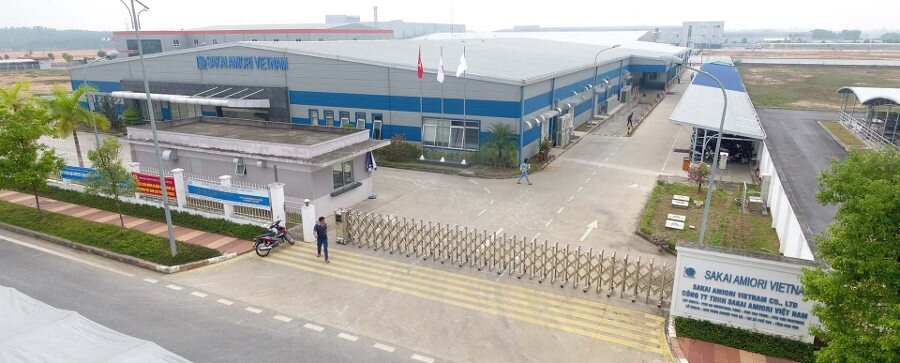
Vietnam’s industrial landscape is expanding rapidly, with continuous development of industrial zones across the country.
Northern Vietnam has seen significant growth in electronics and industrial manufacturing, particularly around Hanoi, Bac Ninh, and Hai Phong.
Southern Vietnam remains the largest industrial hub, centered around Ho Chi Minh City, Binh Duong, and Dong Nai. This region hosts a dense concentration of factories across furniture, garments, and industrial sectors.
Central Vietnam, including Da Nang, Quy Nhon, and Hue, is emerging as a growing manufacturing zone, particularly for outdoor furniture and wood products.
This expansion reflects a broader trend: Vietnam is not only increasing production capacity but also diversifying its industrial base.
Vietnam in Global Supply Chains
Vietnam plays a strategic role in global supply chains, particularly within the context of the “China +1” strategy.
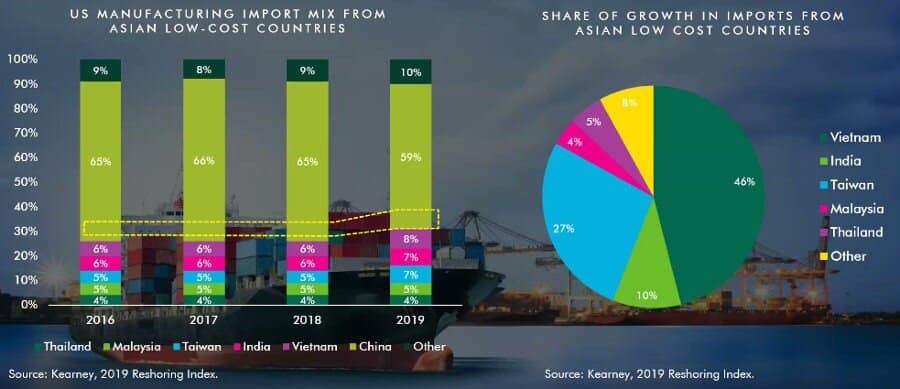
Rather than replacing China, Vietnam complements it. Companies increasingly distribute production across both countries to balance cost, risk, and operational efficiency.
Vietnam is particularly well-suited for:
- labor-intensive manufacturing
- medium-complexity products
- export-oriented production
China, on the other hand, remains dominant for:
- highly integrated manufacturing
- complex products
- advanced industrial processes
Understanding this complementarity is essential for companies designing their sourcing strategy.
Understanding the Manufacturing Model in Vietnam
One of the most important aspects of sourcing in Vietnam is understanding how production is structured.
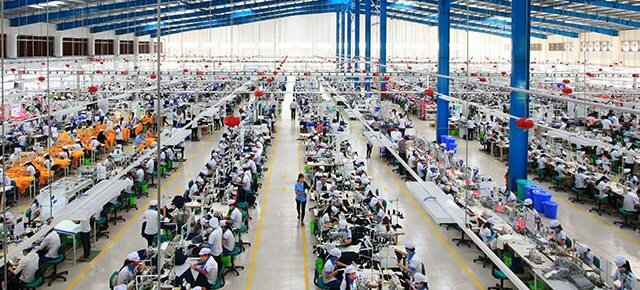
Unlike highly integrated manufacturing systems, Vietnam operates through a distributed network of specialized suppliers.
This means that production is often divided across multiple entities, each responsible for a specific stage.
A Multi-Supplier Ecosystem
A typical manufacturing project in Vietnam may involve:
- a primary factory responsible for fabrication or assembly
- subcontractors for finishing processes (painting, anodizing, coating)
- specialized suppliers for components or materials
- logistics providers managing transportation and export
This structure creates flexibility but also increases complexity.
Advantages of the Distributed Model
The distributed nature of Vietnam’s manufacturing ecosystem offers several advantages.
First, it allows companies to select suppliers based on specific expertise rather than relying on a single integrated factory. This can lead to better quality and cost optimization.
Second, it enables flexibility in production. Companies can adapt their supply chain by adding or replacing suppliers as needed.
Third, it supports customization. Vietnam’s supplier network is well-suited for projects requiring tailored solutions rather than standardized mass production.
Challenges and Execution Requirements
At the same time, this model requires a structured approach.
Coordination becomes a critical factor, as multiple suppliers must be aligned in terms of timelines, specifications, and quality standards.
Quality control is also essential. With different actors involved, consistency cannot be assumed and must be actively managed.
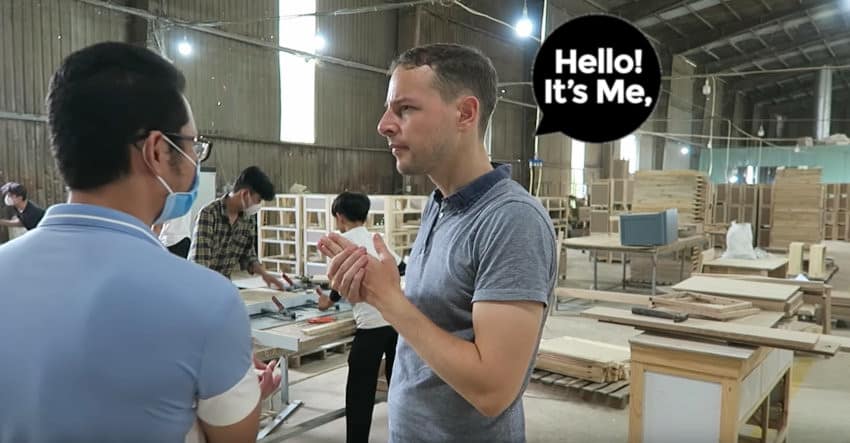
Finally, communication plays a key role. Clear documentation, technical specifications, and regular follow-up are necessary to ensure successful execution.
For companies unfamiliar with this environment, these challenges can lead to delays, cost overruns, or quality issues.
Core Manufacturing Industries in Vietnam
Vietnam’s manufacturing capabilities are best understood through its key industrial sectors.
Metal & Industrial Fabrication
Vietnam has developed strong capabilities in industrial subcontracting, particularly in metal fabrication and mechanical production.
This sector includes a wide range of processes:
- CNC machining
- steel fabrication and welding
- sheet metal processing
- casting and forging
- mechanical assembly
Many factories operate as subcontractors for international companies, producing components that are later integrated into larger systems.
This makes Vietnam particularly relevant for industrial buyers looking for reliable partners for component manufacturing.
The sector is supported by:
- growing technical expertise
- increasing investment in machinery
- integration into global industrial supply chains
However, production often involves multiple suppliers, particularly for finishing processes such as coating or heat treatment.
Furniture Manufacturing
Vietnam is one of the world’s leading exporters of furniture, with a well-established ecosystem supporting a wide range of product categories.
Indoor furniture includes:
- wooden furniture (oak, acacia, rubberwood)
- MDF and veneer products
- kitchen cabinets and built-ins
Outdoor furniture includes:
- teak and acacia products
- wicker and rattan furniture
- aluminum outdoor structures
Contact us today to learn more about Vietnam capabilities.
Hospitality and commercial furniture is another strong segment, with factories capable of handling large-scale projects for hotels, restaurants, and real estate developments.
The industry benefits from:
- skilled craftsmanship
- export-oriented production
- experience working with international standards
Garments & Apparel
Vietnam is a major player in global textile and apparel production, with strong capabilities in both basic and mid-range products.
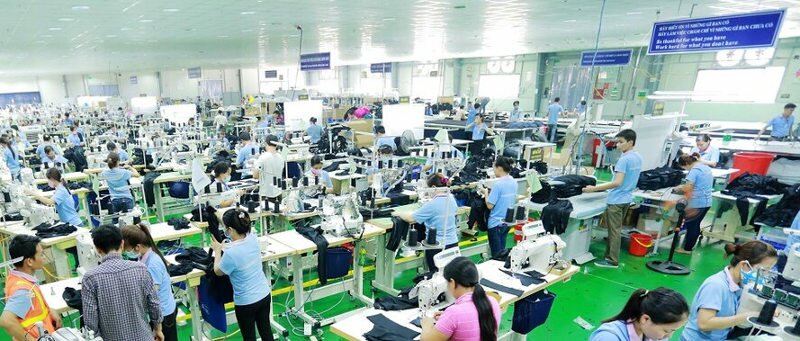
Production models vary depending on the level of integration:
- CMT (Cut, Make, Trim) for basic assembly
- FOB (Free on Board) including sourcing and production
- OEM / private label for branded products
One key limitation is fabric sourcing. While Vietnam has domestic textile production, many fabrics are still imported, particularly for higher-end or technical garments.
Despite this, the sector remains highly competitive due to:
- experienced workforce
- strong export infrastructure
- established relationships with global brands
Construction & Building Materials
Vietnam’s construction materials sector is expanding rapidly, supported by both domestic demand and export opportunities.
Key products include:
- ceramic and porcelain tiles
- engineered wood flooring
- aluminum window and facade systems
- steel structures and prefabricated components
This sector is particularly relevant for developers, contractors, and procurement teams sourcing materials for large-scale projects.
Vietnam offers a balance between cost competitiveness and industrial capability, making it an attractive option for international sourcing.
Consumer Products and Secondary Categories
Vietnam also produces a wide range of consumer and lifestyle products, including:
- bamboo products
- handicrafts
- decorative items
While these categories remain important, they are generally less industrialized and should be considered as complementary rather than core manufacturing sectors.
Electronics
Vietnam has rapidly become a major hub for electronics manufacturing.
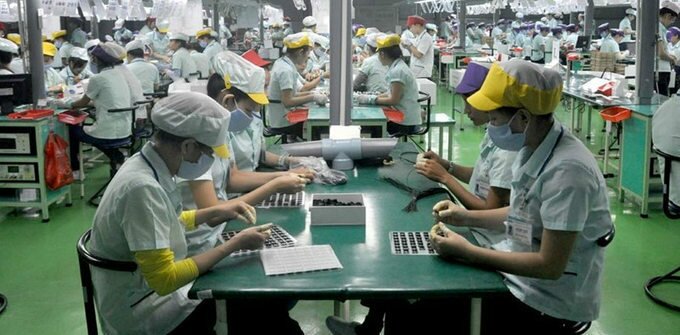
Over the past decade, large multinational companies have established significant production operations in the country, transforming Vietnam into a key player in global electronics supply chains.
Major Global Players in Vietnam
Several leading companies have invested heavily in Vietnam:
- Intel – operates one of its largest semiconductor assembly and test facilities in Ho Chi Minh City
- LG – major production complexes in Hai Phong (electronics, appliances, displays)
- Apple – increasingly shifting parts of its supply chain to Vietnam through manufacturing partners
What This Means for the Industrial Ecosystem
The presence of these global players has had several impacts:
- accelerated development of industrial zones
- improvement in workforce skills and technical capabilities
- expansion of supporting industries and suppliers
While Vietnam is not yet at the level of China in electronics manufacturing, it is rapidly closing the gap in certain segments, particularly in assembly and mid-level production.
Vietnam Products & Sourcing Categories
While Vietnam is now widely recognized for its industrial capabilities, it remains a major global exporter of agricultural and commodity-based products. These categories continue to generate significant trade volumes and are often the first entry point for companies discovering sourcing opportunities in Vietnam.
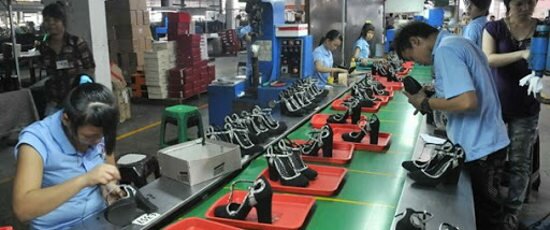
Inside a footwear factories in Vietnam
However, for most international buyers today, these products are no longer the core focus of industrial sourcing strategies. Instead, they should be understood as part of Vietnam’s broader export ecosystem.
Key Commodity & Traditional Export Products
Vietnam is globally competitive in several agricultural and natural product categories:
- Coffee (2nd largest exporter globally, especially Robusta)
- Pepper (leading global producer and exporter)
- Cashew nuts (major processing and export hub)
- Rice (key staple export across Asia and Africa)
- Seafood (shrimp, pangasius, tuna)
- Natural rubber
- Wood and timber products
These sectors benefit from:
- strong agricultural base
- established export channels
- long-standing international trade relationships
How These Products Fit Into Today’s Sourcing Landscape
While these categories remain important, they differ significantly from industrial sourcing:
- they are commodity-driven (price-sensitive markets)
- they involve less customization and engineering
- supplier differentiation is often limited
For companies focused on manufacturing, contract production, or OEM development, these sectors typically represent secondary opportunities rather than core sourcing strategies.
That said, they can still be relevant for:
- trading businesses
- FMCG brands
- food and beverage companies
Video Insights: Sourcing & Manufacturing in Vietnam
To provide more transparency and real-world insights, we regularly document factory visits, production environments, and sourcing processes in Vietnam.
These videos are designed to help international buyers better understand how manufacturing works locally, beyond theoretical explanations.
Example of videos
For buyers new to Vietnam, this is often the fastest way to understand the market beyond theory.
| Topic | Video |
|---|---|
| This video provides a practical overview of OEM manufacturing for industrial players looking to subcontract part of their production in Vietnam. It highlights a real case of sheet metal fabrication, covering processes such as bending, CNC machining, laser welding, surface treatment, and finishing. The video offers a clear understanding of how production is structured and how to start working effectively with Vietnamese factories. | |
| This discussion focuses on contract manufacturing in Vietnam, from an insider’s perspective. It explores both the opportunities and the hidden challenges involved in starting and scaling outsourced production. With a strong emphasis on transparency, we address common pitfalls and share practical recommendations to help foreign companies (from small to large-scale SMEs) build efficient and reliable supply chains in Asia. | |
| This video offers a behind-the-scenes look at a leading EMS factory in Vietnam. Located in Quang Nam (Central Vietnam), the facility specializes in PCBA assembly and full box-build manufacturing. Equipped with SMT production lines, reflow ovens, visual inspection systems, and flying testers, this ISO-certified factory illustrates the rapid development of Vietnam’s electronics manufacturing ecosystem. |
Why We Share These Videos
Understanding manufacturing in Vietnam requires more than written content. Seeing production environments, factory setups, and workflows provides a much clearer picture of how the ecosystem operates.
These videos are part of our effort to:
- provide transparent insights into local production
- help buyers understand real factory conditions
- bridge the gap between expectations and on-ground reality
Contact us for your sourcing project in Vietnam.
Contract Manufacturing in Vietnam
Contract manufacturing in Vietnam is not simply about outsourcing production. It is about structuring and managing a supply chain that often involves multiple suppliers.
What Contract Manufacturing Means in Vietnam
In this context, contract manufacturing involves:
- defining product specifications
- selecting and qualifying suppliers
- managing production across different actors
- ensuring quality and timelines
Unlike integrated manufacturing environments, Vietnam requires a more hands-on approach.
Typical Execution Flow
A typical project may follow these steps:
- Supplier identification and screening
- Technical validation and sampling
- Cost negotiation and production planning
- Production management and monitoring
- Quality control and inspection
- Logistics and delivery
Each step requires coordination and expertise.
Multi-Supplier Coordination
One of the defining characteristics of contract manufacturing in Vietnam is the need to coordinate multiple suppliers.
For example, a metal product may involve:
- fabrication by one factory
- surface treatment by another
- assembly and packaging by a third
Managing this ecosystem requires clear processes and strong communication.
Key Success Factors
Successful contract manufacturing projects in Vietnam depend on several factors:
- selecting the right suppliers
- ensuring clear technical documentation
- implementing structured quality control
- maintaining regular communication
Companies that approach Vietnam with a structured methodology are more likely to achieve consistent results.
Vietnam vs China: Simplified Decision Table
| Criteria | Vietnam | China |
|---|---|---|
| Labor Cost | Lower | Higher |
| Supply Chain | Distributed | Integrated |
| Flexibility | High | Medium |
| MOQ | Lower | Higher |
| Lead Time | Medium | Faster |
| Product Complexity | Medium | High |
| Execution Complexity | Higher | Lower |
Cost Structure Overview
Cost in Vietnam must be analyzed holistically rather than focusing solely on labor.
Key cost components include:
- raw materials
- labor
- manufacturing processes
- subcontracting
- logistics
While labor costs are lower, total cost may vary depending on the complexity of the supply chain and the level of coordination required.
Industrial Clusters and Regional Strengths
Vietnam’s manufacturing ecosystem is geographically structured.
Northern Region
- Hanoi, Bac Ninh, Hai Phong
- Strong in electronics and industrial manufacturing
Central Region
- Da Nang, Quy Nhon, Hue
- Growing hub for furniture and wood products
Southern Region
- Ho Chi Minh City, Binh Duong, Dong Nai
- Largest industrial concentration
- Strong in furniture, garments, and industrial production
Common Challenges in Sourcing and Vietnam Manufacturing
Companies should be aware of potential challenges:
- language barrier
- lack of information
- variability in supplier capabilities
- need for strong local coordination
Addressing these challenges requires a structured approach to succeed in sourcing or manufacturing from Vietnam.
Q&A: Sourcing & Manufacturing in Vietnam
Is Vietnam a good country for manufacturing in 2026?
Vietnam is considered one of the most attractive manufacturing destinations in Asia in 2026. Its combination of competitive labor costs, growing industrial capabilities, and strong export infrastructure makes it particularly relevant for international companies.
What makes Vietnam especially attractive today is not only cost, but its role within global supply chains. Many companies use Vietnam as part of a diversification strategy to reduce dependency on a single country.
At the same time, Vietnam continues to develop its industrial base, allowing it to handle a wider range of products—from labor-intensive goods to mid-complex industrial components.
Is manufacturing in Vietnam cheaper than China?
Vietnam is often cheaper than China in terms of labor costs, which gives it an advantage for labor-intensive products.
However, total cost depends on multiple factors, including materials, supply chain structure, and production complexity.
China’s integrated ecosystem often reduces costs related to coordination, materials sourcing, and production efficiency. In some cases, this can offset higher labor costs.
How long does production take in Vietnam?
Production lead times in Vietnam depend on several factors, including product complexity, material availability, and the number of suppliers involved.
Because Vietnam operates through a distributed manufacturing model, lead times can be slightly longer than in China, particularly when multiple subcontractors are involved.
Typical timelines include:
- sampling: 2–6 weeks
- production: 4–12 weeks depending on volume
Is quality reliable in Vietnam?
Vietnam is capable of producing high-quality products, particularly in export-oriented industries such as furniture and garments.
However, quality consistency varies depending on the supplier and the level of project management.
Unlike more standardized environments, Vietnam requires:
- careful supplier selection
- clear specifications
- ongoing quality control
What are the main risks when sourcing in Vietnam?
The main risks are related to execution rather than capability.
These include:
- fragmented supply chains
- reliance on subcontractors
- communication gaps
- variability in quality
These risks can be mitigated through:
- proper supplier selection
- clear documentation
- strong production management
Vietnam is not a “plug-and-play” manufacturing environment—it requires active management.
Can I combine Vietnam and China for manufacturing?
Yes, combining Vietnam and China is a common and effective strategy.
Many companies use China for:
- components
- raw materials
And Vietnam for:
- assembly
- finishing
- labor-intensive processes
This hybrid approach allows companies to optimize cost, reduce risk, and leverage the strengths of both countries.
Do I need to be present in Vietnam to manage production?
It is not strictly necessary to be physically present, but having on-ground support is highly beneficial.
Many companies rely on local teams or partners to:
- monitor production
- conduct inspections
- manage suppliers
This helps reduce risks and ensures better control over quality and timelines.
Is Vietnam suitable for small businesses or startups?
Yes, Vietnam can be suitable for smaller companies, particularly due to its flexibility in MOQs and willingness to support new projects.
However, smaller companies should be aware of the challenges related to supplier selection, communication, and quality control.
What is the biggest mistake companies make when sourcing in Vietnam?
One of the most common mistakes is underestimating the complexity of the supply chain.
Companies often assume that working with one factory is sufficient, without realizing that production may involve multiple subcontractors.
Other common mistakes include:
- choosing suppliers based only on price
- skipping proper sampling
- not implementing quality control
Vietnam offers a compelling combination of cost competitiveness, flexibility, and industrial growth.
However, success depends on understanding how the ecosystem operates and implementing a structured sourcing strategy.
How We Support End-to-End Manufacturing Projects
We support companies throughout the entire manufacturing process:
- supplier identification
- factory audits
- sampling and development
- production management
- quality control
With a strong on-ground presence and experience across industries, we help structure and execute manufacturing projects in Vietnam efficiently.
Contact us today to start sourcing and manufacturing from Vietnam.