


A random country-wide supplier search can therefore produce a lot of noise.
A stronger approach is to combine:
Industry + manufacturing process + geography + logistics corridor
This guide provides a practical map of Malaysia’s manufacturing regions, explains which industries dominate each area and shows foreign buyers where to begin searching for suitable suppliers.
At MoveToAsia, we have supported international companies in mapping Malaysia’s manufacturing landscape and identifying the regions where the right supplier capabilities are actually concentrated. Depending on the project, our work may involve comparing several industrial corridors, shortlisting manufacturers by process and location, and accompanying clients on factory visits to validate which cluster offers the best combination of technical capability, logistics, and long-term sourcing potential.
Why Malaysia works for sourcing and why geography matters
Malaysia sourcing, explained through geography and trade corridors
Malaysia consists of two geographically distinct areas:
-
Peninsular Malaysia;
-
East Malaysia, comprising Sabah and Sarawak on Borneo.
Most diversified export manufacturing is concentrated in Peninsular Malaysia.
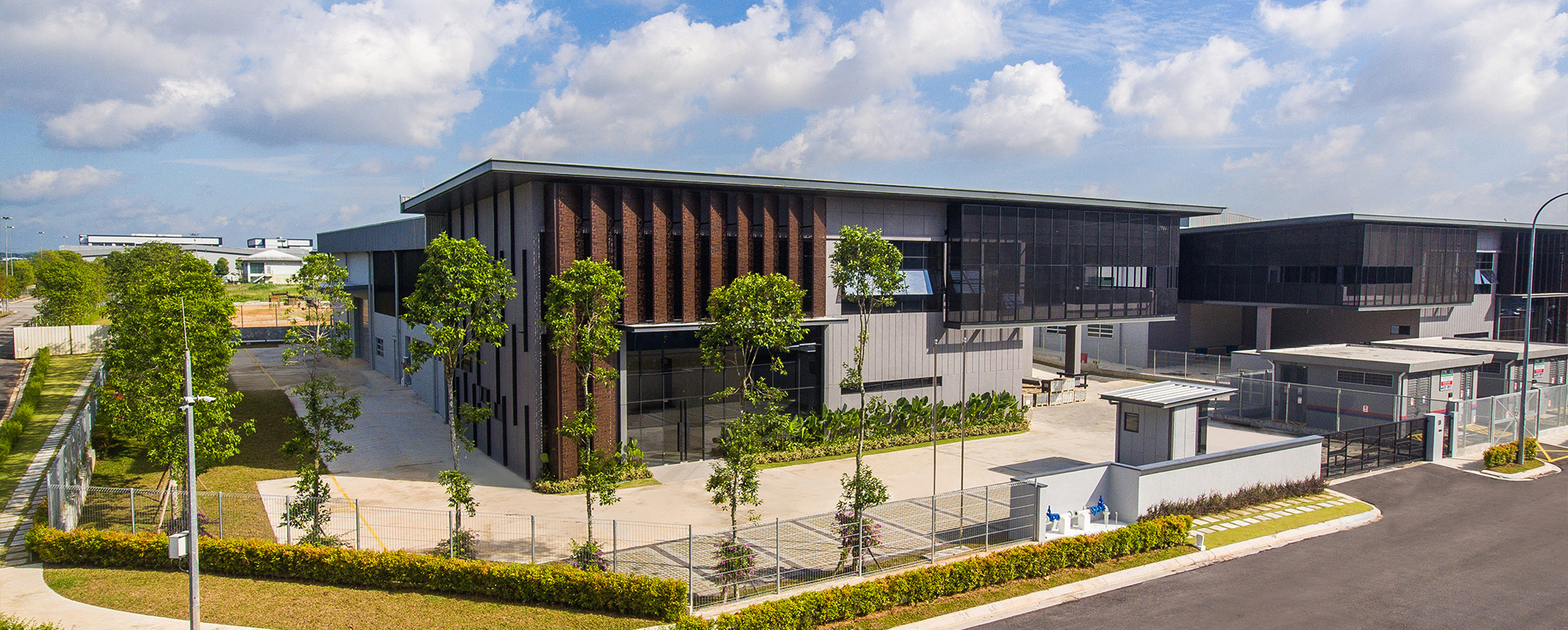
This is where industrial parks, ports, airports, highways, multinational manufacturing bases and dense supplier networks create the strongest sourcing ecosystems.
East Malaysia has a different profile, with greater strength in:
-
energy;
-
natural resources;
-
aluminium;
-
petrochemicals;
-
resource processing;
-
selected heavy industries.
For most sourcing projects, Malaysia can be divided into five practical manufacturing regions.
Malaysia manufacturing clusters at a glance
| Region | Main locations | Particularly strong for | Logistics advantage | Best suited for |
|---|---|---|---|---|
| Northern Corridor | Penang, Kedah, Perak | E&E, semiconductors, precision engineering, medical devices, automation | Penang Port + Penang Airport | Technical and high-value manufacturing |
| Central Corridor | Selangor, Kuala Lumpur, Negeri Sembilan | Plastics, packaging, metalwork, automotive, machinery, consumer/industrial goods | Port Klang + KLIA | Broad supplier searches and multi-process products |
| Southern Corridor | Johor, Melaka | Electronics, chemicals, petrochemicals, industrial manufacturing, Singapore-linked supply chains | Tanjung Pelepas + Johor Port + Singapore access | Export manufacturing and regional distribution |
| East Coast | Pahang, Terengganu, Kelantan | Steel, petrochemicals, heavy industry, energy-linked manufacturing | Kuantan Port | Heavy industrial and material-intensive projects |
| East Malaysia | Sarawak, Sabah | Aluminium, energy, resource processing, selected industrial projects | Bintulu and regional ports | Resource- and energy-intensive manufacturing |
The most important sourcing lesson is:
Malaysia is not one homogeneous supplier market.
Its manufacturing capabilities are concentrated around specific clusters.
Penang and the Northern Corridor
Malaysia’s northern region has the country’s strongest international reputation for advanced manufacturing.
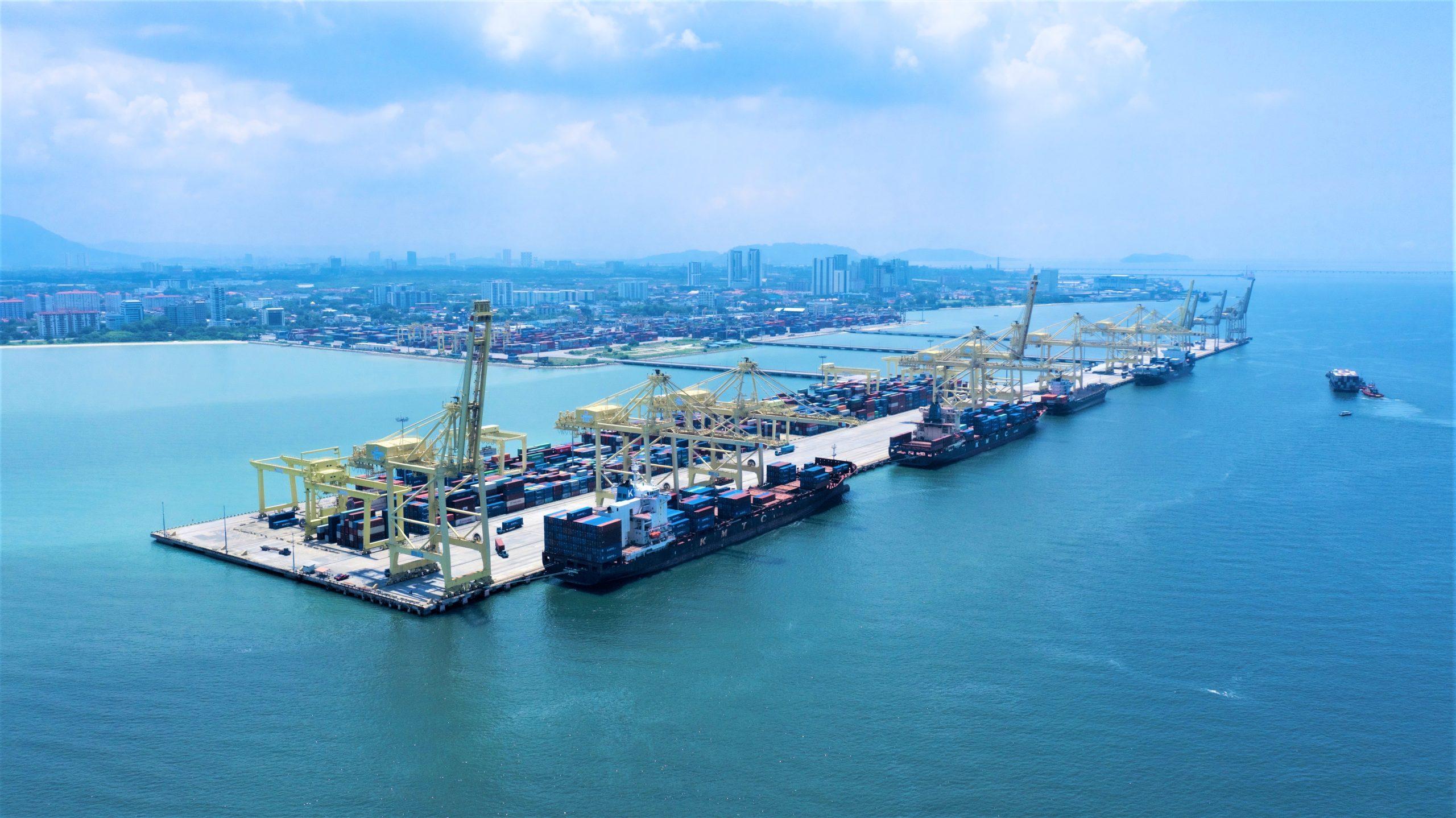
Penang alone accounted for approximately RM358.1 billion of Malaysia’s E&E exports in 2024, corresponding to roughly 60% of the country’s total E&E exports. Malaysia is also recognized as one of the world’s major semiconductor exporters and is estimated to account for approximately 13% of global semiconductor assembly, testing and packaging activities.
The Penang ecosystem is supported by more than 6,500 diversified local suppliers, according to InvestPenang.
This density benefits industries well beyond semiconductors.
Suppliers serving multinational semiconductor and electronics companies frequently develop capabilities in:
-
CNC machining;
-
precision tooling;
-
sheet metal;
-
automation;
-
engineering plastics;
-
clean manufacturing;
-
testing;
-
metrology;
-
industrial equipment.
When should buyers search in Penang?
Penang should usually be one of the first areas evaluated when sourcing:
-
PCBA;
-
EMS;
-
electronics;
-
semiconductor equipment;
-
precision-machined components;
-
automation parts;
-
medical devices;
-
high-precision tooling;
-
technically demanding plastic components.
Kedah, particularly the Kulim area, complements Penang’s industrial ecosystem, while Perak offers additional capabilities in selected manufacturing, metal, rubber and industrial sectors.
Klang Valley and the Central Corridor
If Penang is Malaysia’s specialized high-tech manufacturing cluster, the Klang Valley is the country’s broadest sourcing ecosystem.
Selangor and Greater Kuala Lumpur combine:
-
manufacturing;
-
engineering;
-
logistics;
-
corporate headquarters;
-
warehousing;
-
industrial services.
This makes the central region particularly useful when a product requires several manufacturing processes.
A finished industrial product might require:
Injection molding + metal fabrication + printing + electronics + packaging + final assembly
Finding all these processes within one broader region can simplify supply-chain management considerably.
Typical sourcing categories include:
-
plastic injection molding;
-
tooling;
-
sheet-metal fabrication;
-
CNC machining;
-
packaging;
-
printing;
-
consumer goods;
-
automotive parts;
-
machinery;
-
electrical equipment;
-
industrial assembly.
Port Klang also gives central Malaysia a major logistics advantage for containerized export programs.
Johor and the Southern Corridor
Johor is one of Malaysia’s most strategically interesting manufacturing regions.
Its key advantage is its relationship with Singapore.
Companies can combine:
-
Singapore-based management;
-
regional headquarters;
-
finance;
-
logistics;
with Malaysian manufacturing costs and industrial capacity.
Johor also benefits from:
-
Port of Tanjung Pelepas;
-
Johor Port;
-
industrial parks;
-
petrochemical clusters;
-
electronics manufacturing;
-
growing data-center infrastructure.
Investment has accelerated considerably.
During the first nine months of 2025, Johor led Malaysia in approved investments with approximately RM91.1 billion, according to MIDA.
Johor can therefore be particularly relevant for:
-
electronics;
-
industrial manufacturing;
-
data-center supply chains;
-
petrochemicals;
-
electrical equipment;
-
plastics;
-
machinery;
-
Singapore-linked sourcing strategies.
The East Coast
Malaysia’s East Coast serves a different role.
Pahang and Terengganu are particularly relevant for:
-
integrated steelmaking;
-
petrochemicals;
-
industrial chemicals;
-
energy;
-
heavy manufacturing.
Kuantan and the Malaysia-China Kuantan Industrial Park have attracted major investments in steel and heavy industry.
This region is therefore less suitable for general consumer-product sourcing but can become highly relevant for buyers sourcing:
-
structural steel;
-
coils;
-
heavy industrial components;
-
chemical inputs;
-
large fabricated assemblies.
East Malaysia: Sabah and Sarawak
East Malaysia should not be ignored, but its sourcing profile differs significantly from Peninsular Malaysia.
Sarawak’s access to large-scale hydropower has encouraged energy-intensive industries.
The state has become particularly important for:
-
aluminium smelting;
-
downstream aluminium;
-
energy-intensive manufacturing;
-
petrochemicals;
-
resource processing.
For example, Sarawak hosts much of Malaysia’s major aluminium smelting capacity.
Sabah and Sarawak are therefore more relevant for specialized industrial or resource-linked projects than for broad searches for consumer or light industrial suppliers.
A simple sourcing process that works in Malaysia
Malaysia’s strong industrial structure does not automatically make supplier selection easy.
A structured process remains essential.
Define what kind of supplier you actually need
Before contacting manufacturers, prepare a concise supplier brief.
Include:
-
product;
-
drawings or specifications;
-
material;
-
process;
-
annual volume;
-
expected order size;
-
target markets;
-
certifications;
-
tooling requirements;
-
testing requirements;
-
target timeline.
Also clarify what you expect the supplier to control.
Do you need:
Manufacturing only?
Or:
Tooling + sourcing + manufacturing + testing + packaging + export?
This distinction can change the supplier shortlist completely.
Select the cluster before building the supplier list
Instead of searching:
“Factory in Malaysia”
search:
“Precision machining Penang”
or:
“Plastic injection molding Selangor”
or:
“Industrial fabrication Johor.”
This improves supplier relevance dramatically.
Build a longlist using credible channels
Useful supplier-discovery channels include:
-
industry associations;
-
Malaysian trade databases;
-
investment agencies;
-
industrial-park directories;
-
trade exhibitions;
-
supplier referrals;
-
local industry networks.
Online directories can still help, but they should primarily be used for discovery.
Filter quickly using technical evidence
Before requesting a factory visit, determine:
-
which processes are in-house;
-
which processes are subcontracted;
-
typical customer industries;
-
export markets;
-
certification;
-
equipment;
-
capacity;
-
MOQ;
-
maximum part dimensions;
-
quality systems.
This can reduce a list of 30 potential suppliers to perhaps 5 credible candidates.
Compare suppliers using the same qualification matrix
A useful supplier scorecard can include:
| Criteria | Suggested Weight |
|---|---|
| Technical capability | 25% |
| Quality system | 20% |
| Commercial competitiveness | 15% |
| Production capacity | 10% |
| Engineering support | 10% |
| Export experience | 5% |
| Communication | 5% |
| Lead time | 5% |
| Location / logistics | 5% |
The weighting should change depending on the project.
For a precision industrial component, technical capability may be significantly more important than price.
For packaging, price and production speed may carry greater weight.
Visit only after you have a shortlist
Malaysia has many professionally presented factories.
A factory tour should therefore not become an introductory sales meeting.
Before visiting, obtain:
-
technical confirmation;
-
preliminary quotation;
-
company profile;
-
machine list;
-
relevant certifications;
-
production-process information.
A visit should validate claims already made.
Run a controlled pilot before scaling
Samples provide limited information.
A pilot production run allows you to evaluate:
-
process stability;
-
yield;
-
defect rate;
-
production communication;
-
quality reporting;
-
packaging;
-
delivery performance.
Only after this stage should production scale significantly.
Malaysia’s industrial map: where suppliers cluster
Malaysia’s manufacturing corridors are closely linked to logistics infrastructure.
This matters because Malaysia is exceptionally trade-oriented.
In 2025:
-
total trade reached RM3.061 trillion;
-
exports reached RM1.607 trillion;
-
imports reached RM1.455 trillion;
-
trade surplus reached RM151.8 billion.
Exports to the United States increased 17.2% to RM233.08 billion, while exports to the European Union increased 11.5% to RM129.17 billion.
For sourcing companies, this provides important context.
Malaysia’s infrastructure is not built merely to supply its domestic market.
It is designed around international trade.
Northern Corridor: Penang, Kedah, Perak
Strongest sectors:
-
semiconductors;
-
electronics;
-
precision engineering;
-
medical devices;
-
automation;
-
advanced manufacturing.
Best logistics:
-
Penang International Airport;
-
Penang Port;
-
North-South highway.
Best fit:
high-value, technically controlled and export-oriented products.
Central Corridor: Selangor, Kuala Lumpur, Negeri Sembilan
Strongest sectors:
-
plastics;
-
packaging;
-
automotive;
-
metal fabrication;
-
machinery;
-
consumer and industrial products.
Best logistics:
-
Port Klang;
-
KLIA;
-
central highway network.
Best fit:
multi-process products and broad supplier searches.
Southern Corridor: Johor, Melaka
Strongest sectors:
-
electronics;
-
chemicals;
-
petrochemicals;
-
industrial manufacturing;
-
machinery.
Best logistics:
-
Port of Tanjung Pelepas;
-
Johor Port;
-
Singapore connectivity.
Best fit:
regional export programs and Singapore-linked supply chains.
East Coast: Pahang, Terengganu, Kelantan
Strongest sectors:
-
steel;
-
heavy industry;
-
petrochemicals;
-
industrial materials.
Best fit:
resource-intensive and large-scale industrial projects.
East Malaysia: Sabah and Sarawak
Strongest sectors:
-
aluminium;
-
resource processing;
-
energy;
-
petrochemicals.
Best fit:
energy-intensive and resource-linked manufacturing.
Prominent industries in Malaysia and where to find suppliers
Electronics manufacturing and EMS in Malaysia
Electrical and electronics remain the country’s flagship manufacturing sector.
Malaysia’s E&E exports reached approximately RM601.6 billion in 2024, accounting for around 40% of total exports. Penang represented around 60% of these E&E exports.
Investment remains significant.
In 2025, Malaysia approved approximately RM28.5 billion of new E&E manufacturing investments, the largest manufacturing category in the country.
Where to search:
-
Penang: EMS, PCBA, industrial electronics, semiconductor suppliers;
-
Kedah: semiconductor and high-tech manufacturing;
-
Johor: electronics assembly and Singapore-linked manufacturing;
-
Selangor: electronics-supporting plastics, metalwork and assembly.
Supplier qualification should investigate:
-
SMT equipment;
-
ESD control;
-
traceability;
-
testing;
-
programming;
-
revision control;
-
component sourcing.
Semiconductor and precision manufacturing ecosystem
Malaysia’s role in global semiconductors extends beyond assembly itself.
The supporting ecosystem creates opportunities for companies sourcing:
-
fixtures;
-
tooling;
-
automation;
-
precision-machined parts;
-
test equipment;
-
engineering plastics;
-
clean-manufacturing components.
Where to search:
-
Penang and Kedah: first priority;
-
Selangor: complementary precision and engineering supplier base.
Malaysia is estimated to account for about 13% of global semiconductor assembly, testing and packaging capacity.
Even companies outside the semiconductor industry can benefit from suppliers trained by this ecosystem.
Medical device manufacturing in Malaysia
Malaysia has developed a sophisticated medical-device manufacturing sector.
The ecosystem includes:
-
medical consumables;
-
molded components;
-
electronics;
-
diagnostic equipment;
-
surgical products;
-
contract manufacturing.
Where to search:
-
Penang: strong medtech and precision manufacturing cluster;
-
Selangor: plastics, packaging, supporting services;
-
Johor: industrial and export-oriented manufacturing.
Supplier qualification may require:
-
ISO 13485;
-
cleanrooms;
-
validation processes;
-
traceability;
-
sterilization compatibility;
-
controlled production documentation.
Plastic injection molding Malaysia and polymer-based manufacturing
Malaysia’s plastics sector supports:
-
electronics;
-
automotive;
-
medical products;
-
industrial components;
-
consumer goods;
-
packaging.
Where to search:
-
Selangor: widest molding and tooling ecosystem;
-
Penang: precision plastics tied to E&E and medtech;
-
Johor: industrial plastics and assembly;
-
Perak: selected plastics and rubber-related industries.
For buyers, qualification should include:
-
mold design;
-
tooling ownership;
-
resin traceability;
-
machine range;
-
process validation;
-
secondary operations;
-
preventive mold maintenance.
Metalwork, metal fabrication, and industrial components
Malaysia has extensive capabilities in:
-
CNC machining;
-
laser cutting;
-
welding;
-
bending;
-
stamping;
-
powder coating;
-
industrial assembly.
Where to search:
-
Selangor: broad fabrication ecosystem;
-
Penang: precision and high-spec metalwork;
-
Johor: industrial fabrication;
-
Pahang / Terengganu: heavy metal and steel-linked industries.
Basic metal products attracted approximately RM11.1 billion in approved manufacturing investment in 2025.
Supplier qualification should evaluate not only machinery, but:
-
dimensional inspection;
-
welding qualifications;
-
fixtures;
-
material traceability;
-
finishing;
-
subcontracted operations.
Automotive and mobility supply chain
Malaysia has a long-established automotive industry and a substantial local component ecosystem.
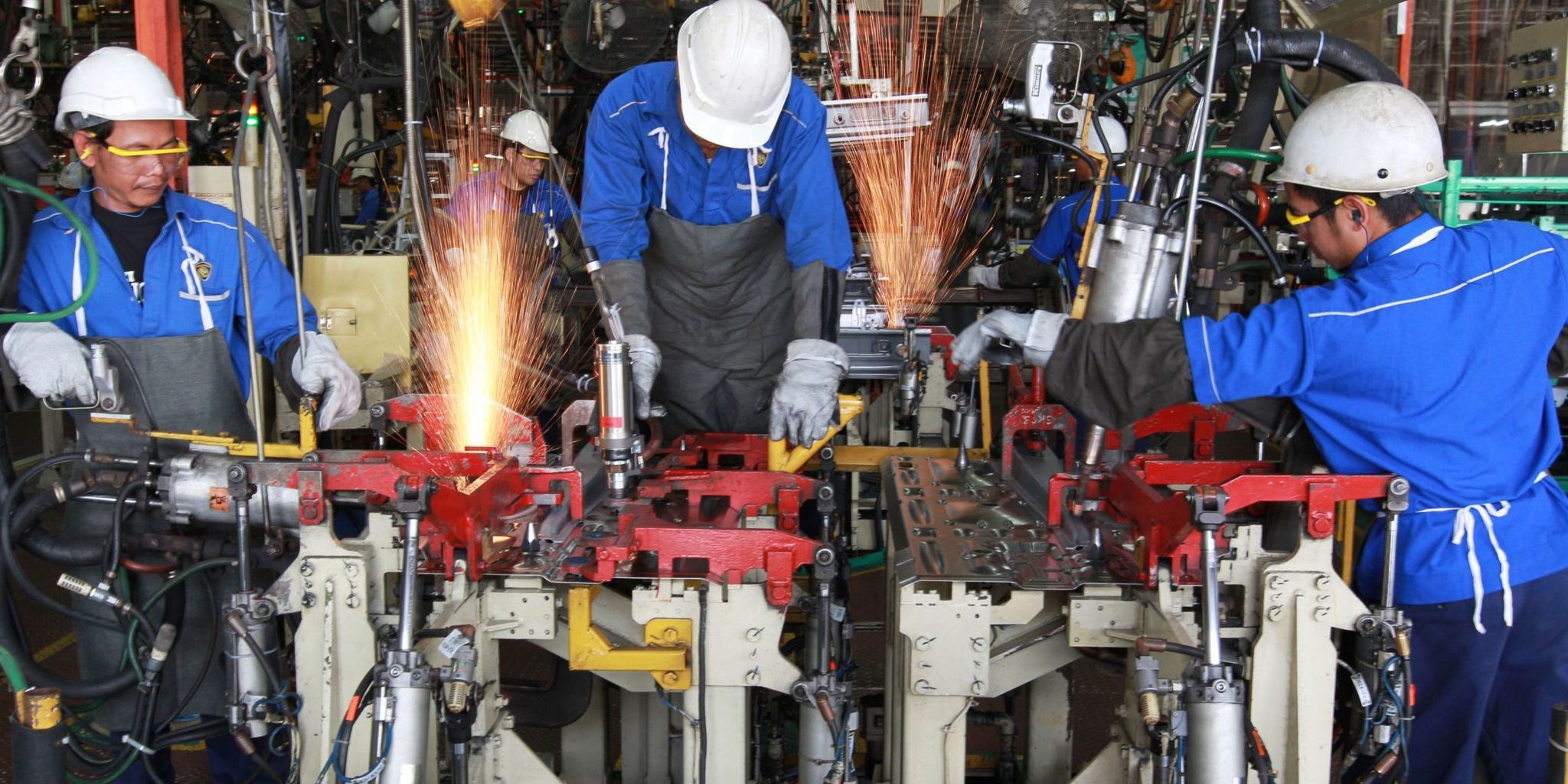
Transport-equipment manufacturing attracted approximately RM14.9 billion of approved investments in 2025.
Typical suppliers manufacture:
-
plastics;
-
stampings;
-
machined parts;
-
wiring;
-
seating;
-
electronics;
-
interior components.
Where to search:
-
Selangor: main automotive supplier concentration;
-
Perak: selected component manufacturing;
-
Johor: industrial and export suppliers;
-
Penang/Kedah: electronics and precision automotive components.
For tiered automotive supply chains, buyers should investigate:
-
IATF 16949 where relevant;
-
PPAP;
-
APQP;
-
traceability;
-
engineering-change management.
Machinery and industrial equipment
Machinery and equipment attracted approximately RM11 billion in approved investment in 2025.
This is an increasingly relevant sector for foreign companies looking to source:
-
machinery frames;
-
conveyors;
-
automation systems;
-
mechanical assemblies;
-
electrical cabinets;
-
production equipment;
-
engineered components.
Where to search:
-
Selangor: broad machinery base;
-
Penang: automation and precision equipment;
-
Johor: industrial manufacturing;
-
East Coast: heavy machinery-related fabrication.
This category deserves particular attention because Malaysia can often combine:
machining + fabrication + electrical integration + assembly
within the same supplier ecosystem.
Packaging, printing, and labeling
Packaging is widely available throughout Malaysia.
Selangor remains the strongest general-purpose sourcing location, while Penang and Johor have important packaging suppliers serving export manufacturers.
Products include:
-
corrugated cartons;
-
printed packaging;
-
labels;
-
flexible packaging;
-
industrial packaging;
-
protective packaging.
Where to search:
-
Selangor;
-
Penang;
-
Johor.
For export projects, verify:
-
material specifications;
-
color control;
-
print consistency;
-
compression performance;
-
moisture resistance;
-
packaging testing.
Food manufacturing and Halal supply chains
Malaysia’s Halal ecosystem is one of the country’s distinctive advantages.
The country’s manufacturing and certification infrastructure can support:
-
food;
-
beverages;
-
ingredients;
-
supplements;
-
private-label products.
Where to search:
-
Selangor;
-
Johor;
-
Penang;
-
selected processing areas in Sabah and Sarawak.
Buyers should verify:
-
Halal certification;
-
HACCP;
-
GMP;
-
allergen management;
-
traceability;
-
cold chain.
Chemicals, petrochemicals, and industrial materials
Chemicals and chemical products attracted around RM24.9 billion in approved manufacturing investments in 2025, making the sector Malaysia’s second-largest manufacturing investment category after E&E.
Where to search:
-
Johor: petrochemicals and major industrial complexes;
-
Terengganu: energy-linked and petrochemical activities;
-
Selangor: chemical distribution and diversified industrial manufacturing.
For chemicals, supplier qualification should include:
-
licensing;
-
storage;
-
hazardous-material handling;
-
SDS documentation;
-
traceability;
-
environmental compliance.
Which Malaysia manufacturing cluster should you choose?
For buyers who need a quick starting point:
| If you are sourcing… | Start your search in… | Secondary option |
|---|---|---|
| EMS / PCBA | Penang | Johor |
| Semiconductor components/equipment | Penang / Kedah | Selangor |
| Medical devices | Penang | Selangor |
| Plastic injection molding | Selangor | Penang |
| Precision machining | Penang | Selangor |
| General metal fabrication | Selangor | Johor |
| Machinery | Selangor | Penang |
| Automotive components | Selangor | Johor |
| Packaging | Selangor | Johor / Penang |
| Steel / heavy industry | Pahang / Terengganu | Johor |
| Petrochemicals | Johor / Terengganu | Selangor |
| Aluminium upstream | Sarawak | Peninsular Malaysia for downstream conversion |
| Singapore-linked manufacturing | Johor | — |
This does not mean suitable suppliers cannot be found elsewhere.
It simply gives sourcing teams the highest-probability starting point.
How to use trade activity to find suppliers faster
Container export programs
For bulky or containerized products, proximity to:
-
Port Klang;
-
Tanjung Pelepas;
-
Johor Port;
-
Penang Port;
-
Kuantan Port
can materially affect landed cost and logistics reliability.
Air-freight and high-value programs
High-value electronics, prototypes and urgent components benefit from access to:
-
Penang International Airport;
-
KLIA;
-
Singapore air-freight networks through Johor.
Cross-border distribution programs
Johor becomes particularly interesting when:
-
management is located in Singapore;
-
products need regional distribution;
-
Singapore-based customers require fast deliveries.
Trade events and industry ecosystems
Trade shows can accelerate supplier discovery.
But the objective should not be collecting dozens of business cards.
Use exhibitions to identify candidates, then conduct structured technical qualification afterward.
How to avoid the most common supplier mistakes in Malaysia
Confusing trading companies with manufacturers
Trading companies are not automatically problematic.
Some add real value by coordinating multiple production processes.

The problem occurs when the buyer does not know which processes are subcontracted.
Always request:
-
factory address;
-
manufacturing-process list;
-
subcontractor information;
-
photographs or equipment list.
Choosing suppliers based only on certifications
ISO certification is useful but does not prove technical capability.
Ask for evidence.
For example:
-
inspection report;
-
process flow;
-
CAPA;
-
traceability example;
-
machine list;
-
production sample.
Selecting a supplier before confirming capacity fit
A factory can technically manufacture your product but still be the wrong supplier.
A supplier designed around million-unit programs may not care about your 10,000-unit order.
If you are planning to source from Malaysia but are unsure where to begin, our team at MoveToAsia can help you narrow the search to the most relevant industrial clusters and supplier profiles for your product. We can support you in building a targeted supplier longlist, qualifying potential manufacturers, and organizing on-site assessments so that your sourcing strategy is based on the right geography as well as the right factory.
Similarly, a small supplier may struggle if your volume increases fivefold.
Check:
-
annual capacity;
-
customer concentration;
-
current utilization;
-
preferred order size.
Overvaluing the factory presentation
Professional presentations are common in Malaysia.
That is positive, but sourcing decisions should be based on actual operational evidence.
During visits, spend less time in the meeting room and more time:
-
on the production floor;
-
in material storage;
-
in the QC room;
-
reviewing nonconformities;
-
speaking with engineers.
Visiting too early
Do not visit 15 factories because they appear relevant online.
Qualify them first.
Three highly relevant factory visits are usually more valuable than ten introductory visits.
Skipping pilot production
Production performance is the ultimate supplier test.
A pilot reveals:
-
responsiveness;
-
quality stability;
-
documentation discipline;
-
packaging;
-
problem solving.
This should happen before large-scale purchase commitments.
A practical conclusion: the fastest way to win in Malaysia is to source by cluster
Malaysia’s manufacturing environment continues to expand.
The country attracted a record RM426.7 billion of approved investments in 2025, including RM131.3 billion in manufacturing. Foreign investment represented more than three-quarters of manufacturing approvals.
It is better understood as a collection of specialized industrial clusters.
Penang and Kedah are the natural starting points for semiconductors, electronics and precision manufacturing.
Selangor and the central corridor provide the greatest supplier diversity and are particularly strong for plastics, machinery, automotive, packaging and general industrial manufacturing.
Johor combines an increasingly sophisticated industrial base with proximity to Singapore and major export infrastructure.
The East Coast is particularly relevant for steel, petrochemicals and heavy industry.
Sarawak becomes strategically important for aluminium, energy-intensive manufacturing and resource-linked industries.
For foreign companies, this geographic approach can materially improve supplier searches.
Instead of asking:
“Where can we find a factory in Malaysia?”
ask:
“Which Malaysian industrial cluster already specializes in the processes, supply chain and export requirements our product needs?”
That change alone can reduce search time, improve supplier relevance and make factory qualification considerably more effective.