


This guide examines Cambodia’s manufacturing landscape, identifies the sectors offering the strongest investment potential, explores the country’s competitive advantages, and outlines the key considerations for companies planning production expansion into one of Southeast Asia’s fastest-developing industrial economies.
Cambodia’s Manufacturing Sector
Cambodia’s manufacturing sector entered 2026 with strong momentum, supported by rising exports, improving industrial output, and continued foreign investment. While garments remain the country’s largest export industry, industrial development has broadened considerably in recent years, with increasing activity in electronics, automotive components, furniture, food processing, and other export-oriented industries. This diversification reflects Cambodia’s broader strategy to strengthen its position within regional supply chains and reduce dependence on a single manufacturing segment.
Recent trade performance highlights this positive trajectory. According to Cambodia Customs, merchandise exports reached US$31.3 billion in 2025, an increase of approximately 16.9% compared with the previous year. Export growth has remained resilient into 2026, with shipments totaling US$5.23 billion during the first two months of the year, representing a 17.2% year-on-year increase. The continued expansion suggests that demand for Cambodian-made products remains robust despite ongoing uncertainty across the global economy.
Industrial production is also expected to maintain its upward trend. The Asian Development Bank (ADB) forecasts Cambodia’s industrial sector to grow by 7.3% in 2026, driven by stronger performance across export manufacturing, construction materials, and higher-value industrial activities. Although growth has moderated from the post-pandemic recovery period, it continues to outperform many regional economies, reinforcing the country’s attractiveness as an emerging production base.
Manufacturers interested in Southeast Asia have a greater opportunity than short-term export benefits. These trends show Cambodia’s global network integration and interest from export-focused manufacturers beyond garments. As international companies modify their supply chains, Cambodia is impacted by the balance of cost, trade preference, and location.
Foreign direct investment supports industrial development. The ADB reports that pending projects in 2025 are an increase and manufacturing continues to be a major area of investment. There has been strong investment in electronics, automotive assembly and tires, furniture, and food processing. These trends support confidence in Cambodia’s industrial potential.
Infrastructure improvements are further strengthening the operating environment. Continued investment in transport corridors, the Phnom Penh–Sihanoukville Expressway, Sihanoukville Autonomous Port, and expanding Special Economic Zones (SEZs) has improved connectivity between production centers and international shipping routes. Better infrastructure not only reduces logistics costs but also enhances supply chain reliability, an increasingly important consideration for manufacturers serving global markets.
Although Cambodia’s neighboring countries Thailand and Vietnam have more established industrial bases, Cambodia’s gradual transformation shows that they are moving slowly from labor-intensive employment, to developing a manufacturing base with integrated and sophisticated industrial systems. For companies looking to set up and develop manufacturing bases in Southeast Asia, Cambodia’s export growth, solid industrial policies, state support for improving the country’s infrastructure, and more, offer a more viable long-term opportunity than developing a manufacturing base in other countries for the short-term benefits of cost arbitrage.
High-Opportunity Manufacturing Sectors for Foreign Investors
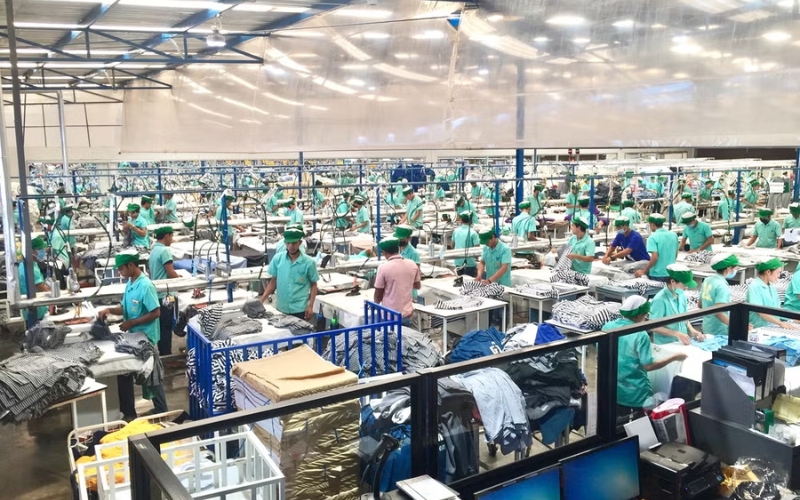
Cambodia’s industrial landscape is becoming increasingly diversified. While garments continue to dominate exports, government policy and foreign investment are gradually expanding the country’s industrial base into higher-value manufacturing activities. Rather than viewing Cambodia as a single manufacturing destination, businesses should assess opportunities based on supply chain maturity, export demand, and long-term government priorities.
The Cambodia Industrial Development Policy (IDP) 2015–2025, as well as lessees of the policy, have developed non-garment industries in an effort to make the Cambodian economy more resilient, and to foster more technology centric production in Cambodia. Foreign investment is proliferating across various sectors, which increases opportunities for companies with various production and investment capabilities.
Garments, footwear, and travel goods remain Cambodia’s largest manufacturing industry and continue to serve as the country’s primary export engine. According to the General Department of Customs and Excise, exports from these sectors continued to increase in 2025, supported by resilient demand from major international markets. Although this segment is relatively mature, opportunities still exist for manufacturers specializing in higher-value products, technical textiles, sustainable production, and original equipment manufacturing (OEM). Companies with experience in operational efficiency and compliance with international environmental and labor standards are particularly well positioned to compete in this market.
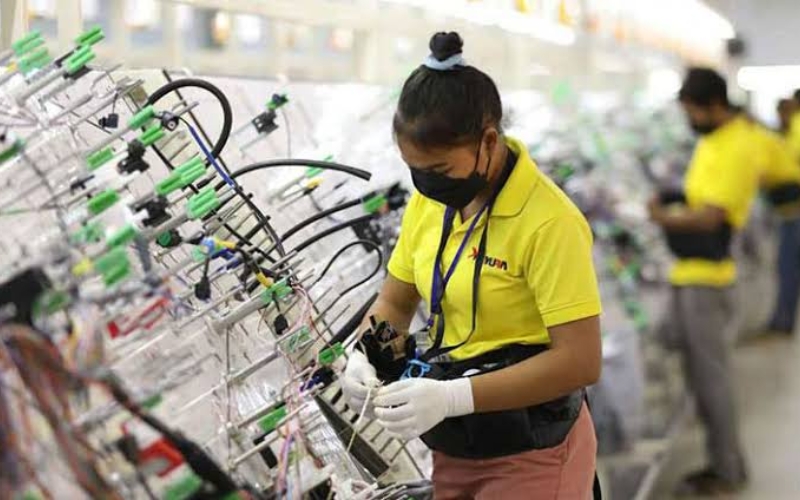
Electronics and electrical equipment represent one of the country’s fastest-growing industrial segments. Cambodia has attracted new investment in electrical components, consumer electronics, wiring systems, and related products as global manufacturers diversify production across Southeast Asia. Government support for industrial diversification, together with increasing foreign direct investment, is helping develop a broader supplier ecosystem. While the sector is still at an earlier stage than in Vietnam or Malaysia, this also creates opportunities for businesses seeking first-mover advantages in an expanding market.
Automotive and bicycle manufacturing have also gained momentum over the past few years. Cambodia has become an important production base for bicycle exports to Europe, while investment in automotive assembly and component manufacturing continues to increase. As regional vehicle supply chains become more diversified, the country is gradually attracting suppliers producing tires, wiring harnesses, plastic components, metal parts, and other industrial products. For companies already supplying regional automotive manufacturers, Cambodia offers an opportunity to complement existing operations in neighboring ASEAN markets rather than replace them.
Agro-processing is another sector expected to play a larger role in Cambodia’s industrial development. The country possesses abundant agricultural resources but has historically exported a significant share of its production in raw or minimally processed form. Government policy increasingly encourages domestic value addition through food processing, packaging, cold storage, and downstream agricultural industries. This creates opportunities not only for food manufacturers but also for companies providing processing technology, industrial machinery, packaging solutions, and quality assurance systems that support higher-value exports.
While many investors tend to focus on a single industry, it may be beneficial to identify Cambodia’s competitive advantages and see how they relate to a particular investment strategy. Many developed markets, like the garment industry, have supplier networks and experienced labor, which help firms establish a presence in these developed markets. Emerging markets, like the electronic and automotive component industries, may be labor and resource intensive to set up, but have the potential to be high growth markets over the long term and will definitely create supporting industrial ecosystems.
Cambodia’s manufacturing policies and strategies are no longer solely focused on low-cost garment manufacturing policies. Cambodia’s industrial base is being developed and diversified and, as a result, is appealing to a number of different foreign investors. Firms that are able to adapt their products and services to the emerging markets in Cambodia will be best positioned to take advantage of the long-term trends in the Cambodian up-scaling and diversifying its manufacturing policies and strategies and will be able to strengthen its place in the global manufacturing value chain.
Cost Structure & Competitive Advantages for Manufacturers
For manufacturers evaluating Southeast Asia, cost competitiveness is rarely determined by labor expenses alone. While wages remain an important consideration, long-term operating costs also depend on industrial land availability, regulatory efficiency, social security obligations, and the ease of establishing production facilities. Cambodia has positioned itself as one of the region’s most cost-effective manufacturing destinations by combining competitive labor costs with investor-friendly policies and an expanding network of Special Economic Zones (SEZs).
Cambodia has an affordable operating environment for labor-intensive, export-centered industries when compared with manufacturing sites like Vietnam and Thailand. Cambodia doesn’t seek to compete with larger manufacturing sites. Instead, it concentrates on lowering the entry barriers, which provides manufacturers the opportunity to setup operations within a short timeframe, without incurring high costs.
Labor is one of the most sustainable competitive advantages for Cambodia. For those employed in the garment, footwear and travel goods sectors, the new minimum wage effective January 1, 2026, will be US$220 per month. This is an extremely small increase from the immediate past year. Labor costs in Cambodia are continuously increasing due to rising economic costs, but must be examined in context of surrounding production bases with large populations. For manufacturing, Cambodia is far more cost-effective. The government has had a wage adjustment policy for manufacturers annually and relatively predictably. This enables manufacturers to reliably plan their operating budgets for the long term as it reduces the risks of labor cost inflation.
Employment costs extend beyond wages, making mandatory social contributions another important factor when comparing production locations. Employer contributions in Cambodia remain relatively low at approximately 5.4% of payroll, compared with substantially higher obligations in several regional markets. For manufacturers operating labor-intensive facilities, this translates into lower total employment costs over the life of a project rather than savings based solely on entry-level wages.
Industrial infrastructure has also become an increasingly important part of Cambodia’s competitive proposition. Instead of acquiring undeveloped land and building supporting infrastructure from scratch, many foreign manufacturers establish operations within Special Economic Zones (SEZs). These zones provide factory-ready environments with reliable utilities, internal road networks, customs services, and streamlined administrative procedures, enabling businesses to accelerate project implementation while reducing development risk.
Cambodia is now home to over 30 active Special Economic Zones (SEZs). While most of these are located in and around the capital, Phnom Penh, Sihanoukville Port, and the boundaries with Thailand and Vietnam, the others are in border crossing areas. Locations of these SEZs are key to facilitating regional and international value chain transport and supply chain integration. By the middle of 2024, SEZs cumulatively invested nearly US$8.9 billion and hundreds of SEZ-based enterprises engaged in garment, electronic and automotive components, furniture and food processing trade. SEZs are indicative of changing perceptions of Cambodia as a regional production base, rather than considering it a low-cost outsourcing production place.
Beyond physical infrastructure, Cambodia’s regulatory framework further strengthens its attractiveness. Under the Law on Investment, foreign companies can own 100% of manufacturing operations in most sectors without requiring a local equity partner. Investors are also permitted to repatriate profits and benefit from long-term land leases of up to 50 years, subject to renewal. These provisions provide greater certainty for capital-intensive projects, particularly where production facilities require substantial upfront investment and longer payback periods.
Another operational advantage is Cambodia’s widespread use of the US dollar alongside the local currency. For export-oriented manufacturers that purchase imported inputs or generate revenue in foreign currencies, dollarization helps reduce exchange-rate volatility and simplifies financial planning. Combined with a relatively stable regulatory environment and an open investment regime, this creates a more predictable operating environment than is often associated with emerging manufacturing markets.
Manufacturers should dismiss the tendency to think of Cambodia’s competitiveness only as low wages. There are many other things in play. Competitive labor costs, reduced statutory employment costs, industrial zones available for investment, flexible foreign ownership rules, and a dollarized economy all positively impact operating costs and the friction to enter a specific market. For operations looking to increase their capabilities to produce across Southeast Asia, these advantages create a strong case as to why Cambodia is an optimal place to set up export-based manufacturing operations.
Investment Framework
Once a company has identified Cambodia as a potential manufacturing destination, the next step is determining the most suitable market entry approach. Beyond evaluating production costs, investors should understand how the country’s investment framework operates, what incentives are available, and which risks should be incorporated into project planning from the outset.
For most foreign manufacturers, the Qualified Investment Project (QIP) scheme serves as the primary gateway to accessing Cambodia’s investment incentives. Administered by the Council for the Development of Cambodia (CDC), the program is designed to encourage investment in priority industries by reducing upfront costs and improving long-term project viability.
The tax incentive offered by the QIP framework is unmatched when compared with any other framework. Depending on the project, approved investments can gain corporate income tax exemptions for the duration of nine years, with additional preferential tax treatment under the investment law of Cambodia. Qualified projects can also benefit from Duty-Free Facilities, which allows duty-free imports of construction, production, and manufacturing materials and equipment. This improves the efficiency of the project during the establishment phase.
However, the benefits outlined may entice companies to apply for QIP status. More so, companies must ensure requirements and standards of promoted investment projects are fulfilled to obtain the status. Because of this, project investments must be planned long before the actual registration of the company. This is to ensure that project setups, activities, and supporting documents are in line with the requirements and standards prescribed by the law.
Another important decision involves selecting the most appropriate operating location. Although manufacturers may establish standalone production facilities, many export-oriented businesses choose to operate within Special Economic Zones (SEZs) because they offer practical advantages that extend beyond tax incentives.
Industrial zones typically provide ready-built infrastructure, reliable utility connections, customs support, and on-site administrative services that simplify day-to-day operations. For companies entering Cambodia for the first time, these established industrial ecosystems can significantly reduce implementation risks while shortening the time required to commence production.
By contrast, standalone factory developments may offer greater flexibility in site selection and future expansion but often require higher initial capital investment and longer implementation timelines. Businesses must independently secure land, develop supporting infrastructure, and coordinate approvals with multiple government agencies. The most appropriate option therefore depends on production scale, operational requirements, and long-term expansion plans rather than tax considerations alone.
Cambodia has been making many trade agreements, making them an increasingly attractive place for export manufacturing. The RCEP, CCFTA, CKFTA, and all the free trade agreements made by ASEAN allow manufacturers to access many different international markets with tariffs set to preferential levels. These trade agreements allow businesses to export more and reach many different markets, while also being more cost-competitive.
Nevertheless, companies should also evaluate several strategic risks before committing capital.
One important consideration is Cambodia’s continued reliance on external demand. The country’s industrial sector remains heavily export-oriented, making production activity sensitive to changes in global consumption, trade policies, and geopolitical developments. For example, any adjustments to tariff regimes in major export markets such as the United States or the European Union may affect the competitiveness of selected industries.
Supply chain maturity is another factor that varies across manufacturing segments. While garments, footwear, and bicycle assembly benefit from relatively well-developed supplier networks, higher-value industries, including electronics, automotive components, and precision manufacturing, are still building their local supplier ecosystems. Businesses operating in these sectors may initially depend on imported materials or regional suppliers until domestic supporting industries continue to expand.
Workforce capability should also form part of the investment assessment. Cambodia offers a young and growing labor force, but technical and engineering talent remains more limited than in longer-established manufacturing hubs. Companies entering technology-intensive industries should therefore anticipate additional investment in workforce training, operational management, and technical skills development during the early stages of production.
Ultimately, Cambodia’s investment framework is designed to lower barriers for international manufacturers while supporting the country’s long-term industrial development strategy. However, the availability of incentives should not be the primary factor guiding investment decisions. Businesses that combine fiscal incentives with careful location selection, supply chain assessment, workforce planning, and a clear understanding of export market dynamics are generally better positioned to establish resilient and competitive manufacturing operations.
Cambodia’s value as a production center is obvious, but perspective beyond that opens real possibilities. Its investment policies, growing Special Economic Zones, extensive trade agreements, and ever-present industrial diversification efforts create a viable environment for businesses wishing to locate in Southeast Asia. Those companies who view entering the market as a long-term, strategic investment, as opposed to a cost-cutting, short-term measure, are the most likely to benefit.
Conclusion
Cambodia’s manufacturing sector is entering a new phase of development, driven by export growth, industrial diversification, and continued improvements in the country’s investment environment. While garments remain a cornerstone of the economy, increasing activity in electronics, automotive components, agro-processing, and other higher-value industries demonstrates that the country’s industrial base is becoming broader and more resilient.
Cambodia’s advantages for international manufacturers go beyond business operating costs. The combination of trade agreements, growing Special Economic Zones, foreign investment policies, and infrastructure create the basis for Cambodia to be a valuable manufacturing location for the international community. These advantages are important for the establishment of Southeast Asia business operations, and allow for the diversification of supply chains and competitive exports.
However, the value of different costs is not the only factor for entering a market. The evaluation of supply chain development and maturity, workforce and human capital, the business location, the legal environment, and the regulations will help determine the most appropriate manufacturing location in order to align business and production objectives.
As Cambodia continues to deepen its integration into regional manufacturing networks, businesses that combine thorough market analysis with a well-planned entry strategy will be better positioned to capture sustainable growth in one of Southeast Asia’s most dynamic industrial economies.