


Nationally, the health of the Philippine residential market is satisfactory. However, beyond headline data, it is becoming more and more unpredictable. Buyers pursue livability and transport accessibility around emerging regional growth centers. While some areas of the Metro Manila condominium market continue to struggle with the backlog of unsold units, the gap is stronger in the horizontal or suburban communities. Thus, it is essential to understand this gap in order to identify residential opportunities in the Philippines in 2026.
Market Structure
There are a few major lines that separate buying decisions regarding the residential real estate market in the Philippines. Condominiums dominate the central business districts in Metro Manila. The landed and horizontal housing is typically seen in the suburbs and provincial markets. While Metro Manila is the focus of most real estate developments, the cities of Cebu, Pampanga, Davao, and other secondary cities are experiencing demand for new housing and developments as the infrastructure and employment grow outside the capital. There is a major distinction between end-user demand and investor demand. End-user demand is typically steady because the buyers are those who actually intend to use the house to live in. On the other hand, investor demand, which is also referred to as speculative demand, is tied to the market’s renter and buyer sentiment. Investor demand is typically driven by investors who count on the property to produce rental income or sell at a profit. Adding to the real estate challenges is the competition between the new projects and unsold older projects. Resale units in the oversupplied development markets typically compete with the developers to sell to the potential buyers.
The Numbers That Matter In the Market
By the end of 2025, Metro Manila will have approximately 30,400 unsold ready-for-occupancy condominiums. The remaining stock continues to play the largest role in shaping pricing and strategies within the high-rise segment. It is expected that, in the next few years, residential rental yields in Metro Manila will be in the range of 4% to 6%. This is decent, but won’t make Metro Manila real estate investment stand out compared to investment opportunities in other, lower-priced regional markets. On a more positive note, Metro Manila is estimated to have about 3,600 new condominiums completed per year between 2026 and 2028, which is a significant reduction compared to the years before the pandemic. This should not only stop adding new oversupply, but also begin addressing existing oversupply. Some reports for 2026 estimate that residential prices in Metro Manila will increase by 6% to 8% annually on average. However, this varies a lot by submarket and property type, and should be understood as a very rough estimate for the overall residential pricing in Metro Manila. In addition to this, greater emphasis is expected to be placed on horizontal communities and mid-rise residential developments.
Investment Opportunities
The demand for both space and construction of a more fitting community is leading more buyers to opt for suburban and rural housing. The demand for these buyer options has increased since the enhancing of work flexibility, leading to less demand for housing options near business hubs. Residential projects that are adjacent to transit will especially be important to watch, as many new transportation options will be available in the upcoming years. Developers are noticing buyer preferences as they are moving away from available options that are high density. When vertical construction is limited, horizontal communities and mid-rise units are becoming the standard. Commercial and residential properties that are adjacent to high dispersion travel corridors will provide the greatest value and opportunity to investors. Commercial and residential properties that border high density employment and university zones will be less risky. These properties will maintain demand for rental units even when demand for rental units in the greater area is low.
Things to Consider
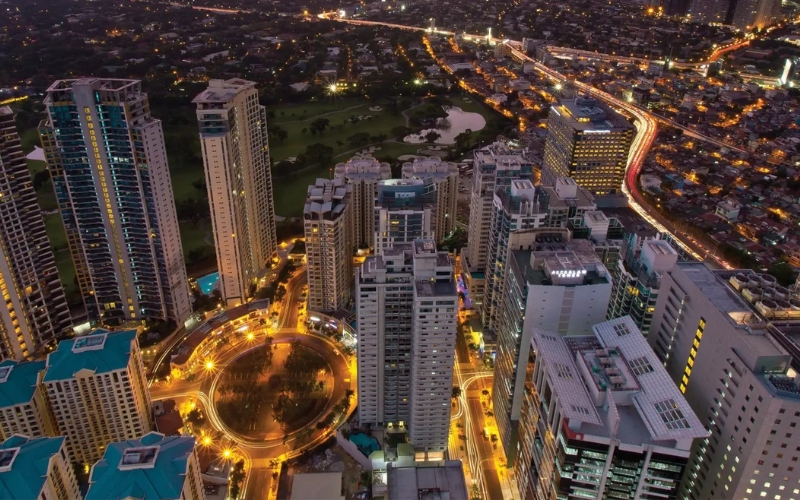
The oversupply of condos in Metro Manila remains the top challenge in the residential market, leading to sustained pricing and absorption pressure on high-rises. Investor demand has weakened in some high-rise submarkets as unit purchases for rental or resale in those high-rises has disappeared. Financing barriers cannot be discounted as the cost of mortgage credit has risen relative to the last few years. Location mismatch should also be flagged. Projects that precede the infrastructure or employment growth of a market can experience long delays in demand. The market remains sensitive to interest rates and the supply of new buildings, which can shift yields and pricing faster than the market can adjust.
What to Consider Before Purchasing
Carefully evaluating a developer’s track record is prudent, especially their history for being on schedule, producing quality builds, and their financial health. Also, value goes beyond the headlines. Take the time to see the actual occupancies and how much unsold inventory there is not just in the project, but in the surrounding area because different buildings in the same neighborhood can have very different results. Would-be buyers should note that the access to current and future transportation is a potential value driver and should not be dismissed. If the intention is for the unit to be a source of revenue, the demand for rentals in that area is as important as the unit. Also consider the future development and the demand it might create or lessen, for the Commercial and Transit developments in the area.
Most Common Questions
Are there good opportunities for buying real estate in the Philippines? It depends mostly on the area and styles. In general, horizontal and suburban development along the growth corridors is doing better than the oversaturated high-rises in Metro Manila. Also, in either case, good projects tend to do well.
What are the most attractive areas? Regional centers like Cebu and Pampanga are doing well, as well as suburban communities in close proximity to the infrastructure corridors.
Do condos offer good returns? Rental yields in Manila are on average between 4% and 6%. Actual returns are very different even in adjacent buildings and units of similar specifications.
Where should you put your money- urban or suburban? Property oversupply in the Metro Manila condo market has made many investors seek suburban horizontal residential formats for better risk-adjusted returns. However, good urban property still attracts buyers.